




Gute Option
Gute Option
Lebensqualitätsindex von 100

Uruguay
Atlantic Ocean, Río de la Plata, Uruguay River · Spanish
Uruguay
Uruguay tauscht das Hamsterrad gegen ein entspanntes Leben an der Küste ein – eines der sichersten Länder Südamerikas mit visumfreundlichem Aufenthalt, hoher Lebensqualität und einem liberalen sozi…
Wie es ist, in Uruguay zu leben
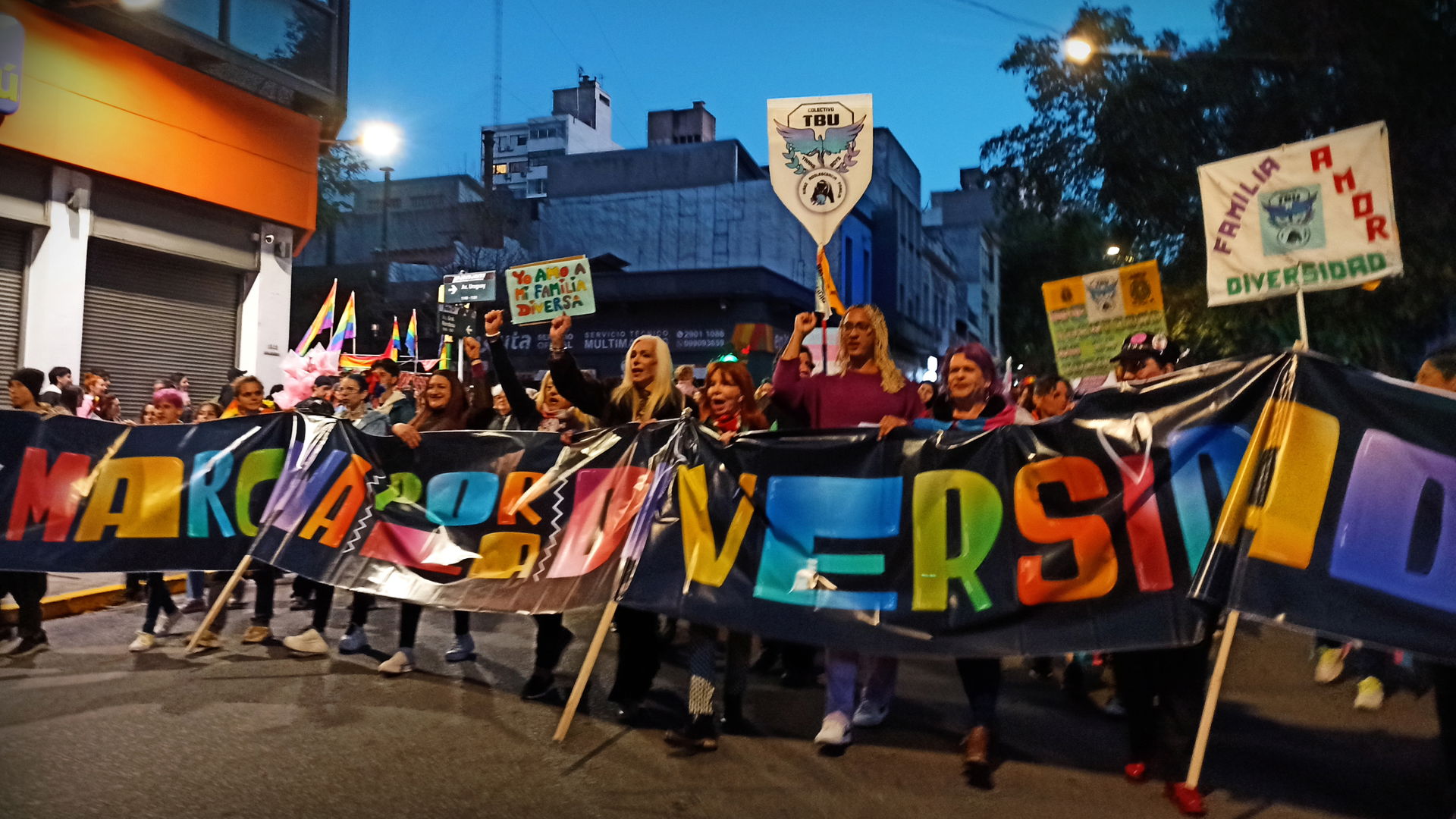
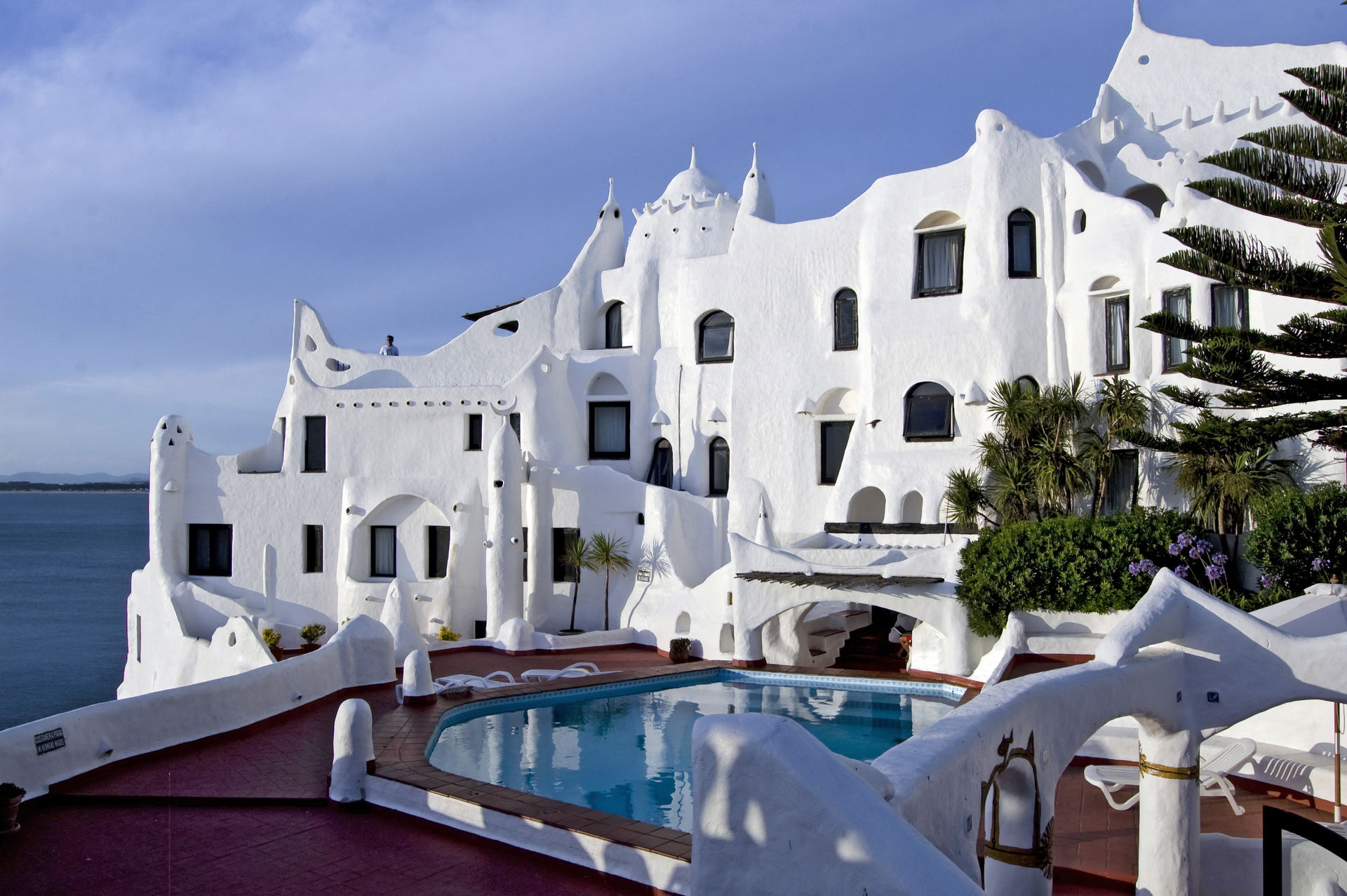
Uruguay ist ein kleiner, aber lebendiger südamerikanischer Staat im südöstlichen Teil des Kontinents, der im Norden an Brasilien und im Westen an Argentinien grenzt. Mit einer Bevölkerung von etwa 3,5 Millionen Menschen ist es für seine fortschrittli...
Dein Uruguay-Fahrplan
40+ seitige persönliche Umzugsanalyse — Visaweg, Steuerstrategie, Stadtteilguide, Gesundheitsversorgung und mehr.
- ✓Visa- & Aufenthaltsweg
- ✓Steueroptimierung
- ✓Stadtteilguide
- ✓Gesundheitsversorgung & Schulen
- ✓Kostenaufschlüsselung
Gesundheitswesen
- Uruguay verfügt über ein duales Gesundheitssystem, das öffentliche (ASSE) und private (Mutualistas) Optionen umfasst und in das Nationale Integrierte Gesundheitssystem (SNIS) integriert ist.
- Expats mit legalem Wohnsitz können kostenlos oder zu sehr geringen Kosten auf das öffentliche ASSE-System zugreifen, während Mutualistas über ein Mitgliedschaftsmodell umfassende private Betreuung anbieten.
- Eine internationale Krankenversicherung ist für alle Ausländer, die nach Uruguay einreisen, obligatorisch und wird für eine umfassende Absicherung dringend empfohlen, insbesondere vor der Erteilung einer örtlichen Aufenthaltsgenehmigung.
Uruguay verfolgt eine liberale Visapolitik und gewährt Bürgern aus über 80 Ländern visumfreie Einreise, darunter den Vereinigten Staaten, Kanada, dem Vereinigten Königreich, Australien, Neuseeland, den meisten EU-Ländern, Japan, Südkorea und vielen lateinamerikanischen Ländern. Diese Reisenden erhalten bei ihrer Ankunft automatisch einen 90-tägigen Touristenaufenthalt (für US-Bürger oft als 90 Werktage angegeben), der um weitere 90 Tage verlängert werden kann, indem er mindestens 10 Tage vor Ablauf bei der Dirección Nacional de Migración in Montevideo einen Antrag stellt. Reisende, die ein Visum...
Städte in Uruguay entdecken
Alle Städte in Uruguay anzeigenErstelle dein kostenloses Profil, um personalisierte Match-Scores zu sehen.


Reisehinweise, Gefahren und Konfliktindikatoren
Was andere Regierungen aktuell zu Reisen in dieses Land empfehlen
Lebenshaltungskosten, Wohnen, Einkommen und Kaufkraft
Einkommensteuer, Körperschaftsteuer und Steuersystem
Arbeitsmarkt, Geschäftsumfeld und Arbeitsgenehmigungen
Internationale Schulen, Universitäten und Bildungssystem
Rente, Ruhestandswege und Finanzplanung
Saisonale Temperaturen, Niederschlag und Sonnenschein
Landesfotos und Landschaften
Bevölkerung, Sprachen und ethnische Zusammensetzung
Alltägliches Expat-Leben und praktische Tipps
ÖPNV, Flughäfen und Fortbewegung
Aufenthalt, Immobilien und rechtlicher Rahmen
Luftqualität, Grünflächen und Nachhaltigkeit
Regierung, Wahlen und politische Landschaft
Standortübersicht, Lebenshaltungskostenindex und Kaufkraft
Wirtschaftlicher und geografischer Überblick
Perspektiven und Erfahrungen der Expat-Community
Community & Diskussion
Hör auf zu
suchen und fang an zu ziehen?
Erstelle einen persönlichen Umzugsfahrplan — Visaweg, 3 ausgewählte Städte, Steuern & Zeitplan.
This content was generated using artificial intelligence based on publicly available information. It is provided for general informational purposes only and does not constitute legal, tax, immigration, or professional advice. Information may be incomplete or outdated. Always verify with official sources before making decisions.
Datenquelle: Sicherheits-, Kriminalitäts- und Qualitätsmetriken stammen von Numbeo, einer crowdgesourcten globalen Datenbank gemeldeter Daten.
Alle Werte sind relative Vergleiche auf einer Skala von 0-100, wobei 50 = globaler Durchschnitt. Höhere Werte bedeuten besser als der Durchschnitt, niedrigere Werte bedeuten schlechter als der Durchschnitt.
Gemeinschaft, kulturelle Integration und Expat-Leben