This content was generated using artificial intelligence based on publicly available information. It is provided for general informational purposes only and does not constitute legal, tax, immigration, or professional advice. Information may be incomplete or outdated. Always verify with official sources before making decisions.
Fuente de datos: Las métricas de seguridad, criminalidad y calidad provienen de Numbeo, una base de datos global de datos reportados por la comunidad.
Todas las puntuaciones son comparaciones relativas en una escala de 0-100, donde 50 = promedio global. Puntuaciones más altas significan mejor que el promedio, puntuaciones más bajas significan peor que el promedio.
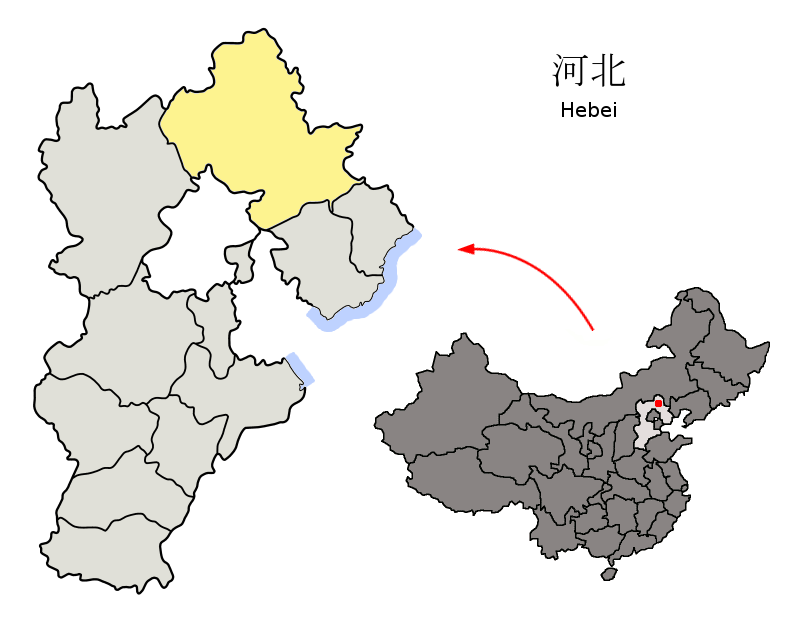
Situada en la provincia de Hebei, Chengde ofrece una mezcla única de encanto histórico y oportunidades profesionales emergentes para expatriados que buscan una experiencia china auténtica fuera de las rutas convencionales. Aunque es más pequeña que las megaciudades, la ciudad proporciona un entorno de vida cómodo con una infraestructura sólida y un costo de vida moderado, lo que la hace atractiva para educadores, investigadores culturales y profesionales interesados en mercados menos saturados.
Los índices de seguridad moderados de la ciudad y su decente transporte público crean una base estable para la vida de los expatriados. La proximidad de Chengde a Beijing y su rico patrimonio cultural —destacado por el complejo de montaña declarado Patrimonio de la Humanidad por la UNESCO— aportan una profundidad inesperada para aquellos dispuestos a explorar más allá de los destinos convencionales para extranjeros. Los profesionales que busquen una experiencia urbana china más íntima encontrarán en Chengde una opción intrigante y manejable para la reubicación internacional.
Población
449,325
Área
2,381 km²
Densidad
189 per km²
Fundada
-
Idioma
Chinese
Distancia a la costa
234 km
Distritos y barrios in Chengde
Cargando distritos…
Clima y tiempo en Chengde
Chengde tiene un clima continental húmedo (transición Köppen Dwa/Dwb) con veranos cálidos y húmedos e inviernos fríos y secos. La elevación de la ciudad y su ubicación interior mantienen las temperaturas más bajas en verano que en muchas ciudades de las tierras bajas del norte de China, mientras que las condiciones invernales se caracterizan por frecuentes temperaturas bajo cero y una humedad relativamente baja.
Media de verano
23°C
Media de invierno
-7°C
Tipo de clima
Continental Húmedo
Días de lluvia
95
Días soleados
250
Humedad
60%
Primavera
March - May
5-18°C
La primavera es fresca a templada, pero puede calentarse rápidamente a finales de mayo. También es uno de los períodos más ventosos y secos del año, con polvo ocasional y grandes oscilaciones de temperatura diarias.
Baja rainfall
Verano
June - August
20-27°C
El verano es cálido y generalmente agradable en comparación con gran parte del este de China, aunque también es la principal estación lluviosa. Son comunes los chubascos y tormentas por la tarde, y la humedad aumenta notablemente.
Alta rainfall
Otoño
September - November
4-18°C
El otoño es típicamente seco, soleado y fresco, con uno de los climas más agradables del año. Las temperaturas bajan constantemente, y las noches se vuelven frescas a frías a finales de octubre y noviembre.
Baja rainfall
Invierno
December - February
-15-0°C
El invierno es largo, frío y seco, con frecuentes temperaturas bajo cero y nevadas ligeras. Los cielos despejados son comunes, pero las fuertes irrupciones de aire frío pueden hacer que las condiciones se sientan mucho más frías.
Muy Baja rainfall
Cargando el tiempo...
Calidad del Aire
Chengde
Ventajas
Chengde
Histórico balneario imperial de verano
Impresionante paisaje montañoso
Rica herencia de la dinastía Qing
Tranquilo complejo de templos budistas
Preservación de la cultura tradicional china
Desventajas
Chengde
Oportunidades económicas limitadas
Ubicación geográfica remota
Transporte público deficiente
Opciones de entretenimiento mínimas
Preocupaciones por la contaminación industrial
Seguridad y Protección en Chengde
Puntuación general de seguridad
Incluye factores de resiliencia y medioambientales
Moderado
56
/100
China Prom.
54
Asia Prom.
56
Media mundial
56
Métricas de criminalidad y seguridad
Thermometer compares Chengde to China averages using different marker styles.Comparar:
Chengde
China Average
No hay datos específicos de la ciudad — se muestran los promedios nacionales de China.