UN MemberVisa-free · 90 daysPop. 36.9M
NestFainder ScoreAI
50/ 100

Good option

Quality of life index out of 100

ACost
BSafety
A−Climate
CHDI
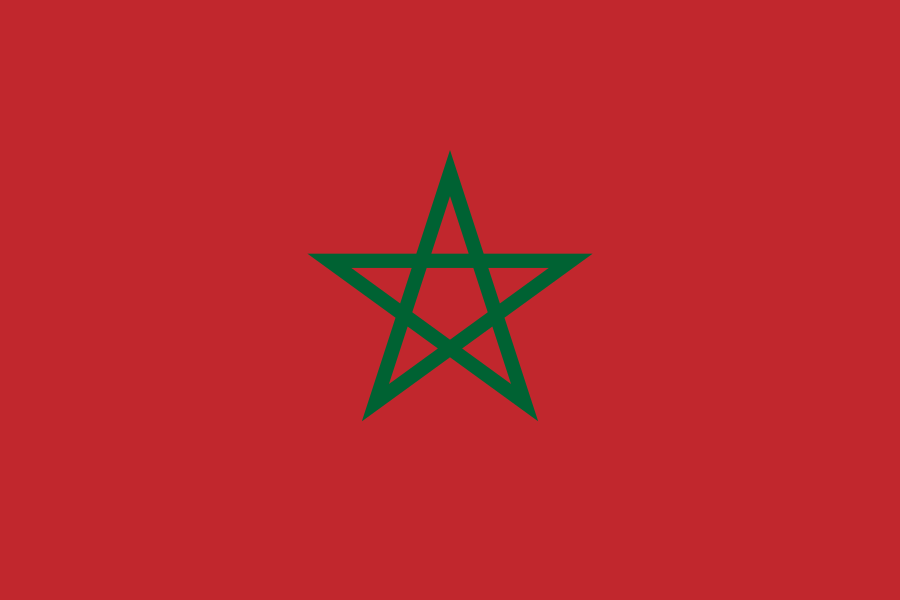
Morocco flag

Morocco

Atlantic Ocean, Mediterranean Sea, Strait of Gibraltar · Arabic

Morocco

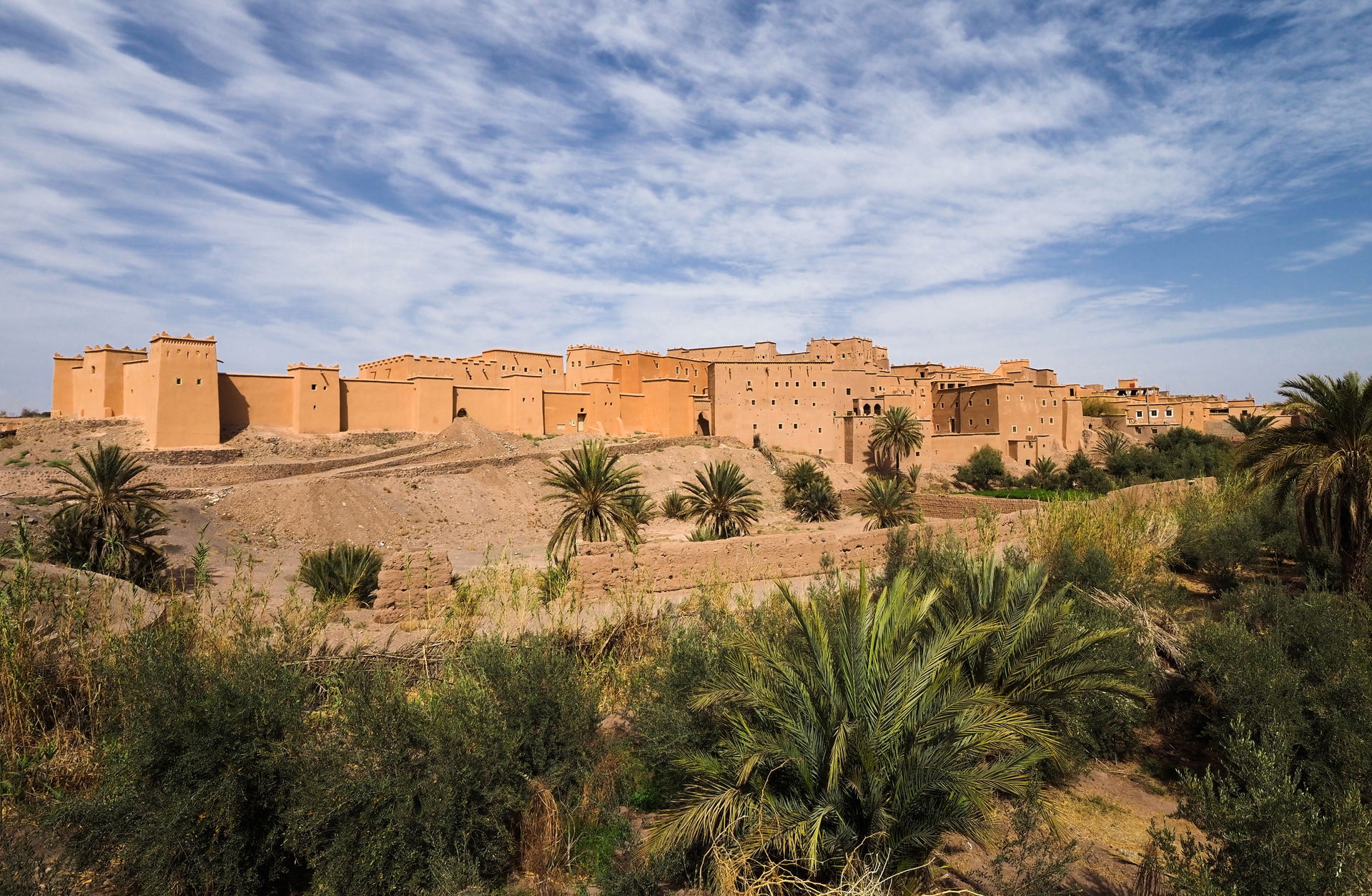
Morocco is a North African country situated along the Atlantic Ocean and Mediterranean Sea, strategically positioned at the northwestern edge of the African continent. With a population of approxim…

See how Morocco matches your profile
CLIMATE
Atlantic Ocean, Mediterr…
33°C avg · 3200h sun/yr
CURRENCY
MAD
LANGUAGE
Arabic
SAFETY
Moderate
#1 globally · Safety index 53/100
COST OF LIVING
Low cost
Cost index 31/100
TIME ZONE
GMT+1
UTC+1 · 1h ahead

What it's like to live in Morocco· AI overview

Marruecos es un país del norte de África situado a lo largo del Océano Atlántico y el Mar Mediterráneo, estratégicamente ubicado en el extremo noroeste del continente africano. Con una población de aproximadamente 37 millones, la nación combina un ri...

Cost of living
vs EU Average34% lower than EU average
1-bed apartment, city
DH3,900Apartment (1 bedroom) in City…
Dinner for two
DH57.50Meal, Inexpensive Restaurant
Monthly groceries
DH9.00Milk (regular), (1 liter)
Public transit (month)
DH6.00One-way Ticket (Local Transpo…
Read the full cost-of-living guide
★ Professional

Your Morocco Roadmap

40+ page personal relocation analysis — visa path, tax strategy, neighbourhood guide, healthcare setup and more.

€29one-time report
  • Visa & residency path
  • Tax optimisation
  • Neighbourhood guide
  • Healthcare & schools
  • Cost breakdown
Entry Requirements & Visa Options

Morocco offers visa-free entry for citizens of over 70 countries, including the United States, United Kingdom, Canada, Australia, and many others, allowing stays of up to 90 days for tourism, business, or short-term visits. Passports must be valid for at least 6 months beyond the planned departure date from Morocco and have at least one blank page for entry stamps. Proof of sufficient funds, return/onward tickets, and accommodation may be requested at border control. Extensions for an additional 90 days...

Visa-free entry: 90 days
Work permits available
Investment visa from ,
Read full guide

Morocco shows a purchasing power index of 49/100, indicating moderate economic conditions for expats.

Economic OverviewMorocco

GDP

$142.87B

Total economic output of the country

HDI

0.68

Medium human development

Quality of Life

50/100

Good quality of life — above global average

Purchasing Power

20/100

Weak purchasing power — salaries don't stretch far

Understanding the economic landscape is essential for evaluating living costs and opportunities in Morocco. This comprehensive overview covers key financial indicators including cost of living, housing markets, income levels, and fiscal policies that shape daily life and long-term financial planning.

Comparison data legendCompare:
Morocco
Continent Avg

Cost of Living Index

0510
Very High

Morocco offers a very affordable cost of living with a Cost of Living Index (CPI) of 30. Read more

Housing Market

0510
Poor

The housing market is considered expensive, with a Property Price to Income Ratio of 13. Read more

Average Income Levels

0510
Very Poor

Purchasing power is low, indicated by a Purchasing Power Index of 49. Read more

Tax System

0510
Moderate

Morocco has a progressive personal income tax system with rates ranging from 10% to 38%, with the top rate expected to be 37% from 2025. Read more

Business Environment

0510
Good

Morocco's startup ecosystem is growing, ranked #88 globally in 2025 and #3 in Northern Africa. Read more

Social Security

0510
Moderate

Morocco operates a two-tiered healthcare system (public and private); while mandatory insurance (AMO) exists, public healthcare quality is generally low, leading many expats to opt for private insurance. Read more

Banking & Financial Safety

0510
Good

Deposits in Morocco are protected by a collective deposit guarantee fund managed by the Société Marocaine de Gestion des Fonds de Garantie des Dépôts Bancaires (SGFG), with a proposed coverage limit of MAD 120,000 per depositor. Read more

Tax information is currently being researched.

Sistema educativoEscuelas internacionales, universidades y planes de estudio
Ver guía

Climate

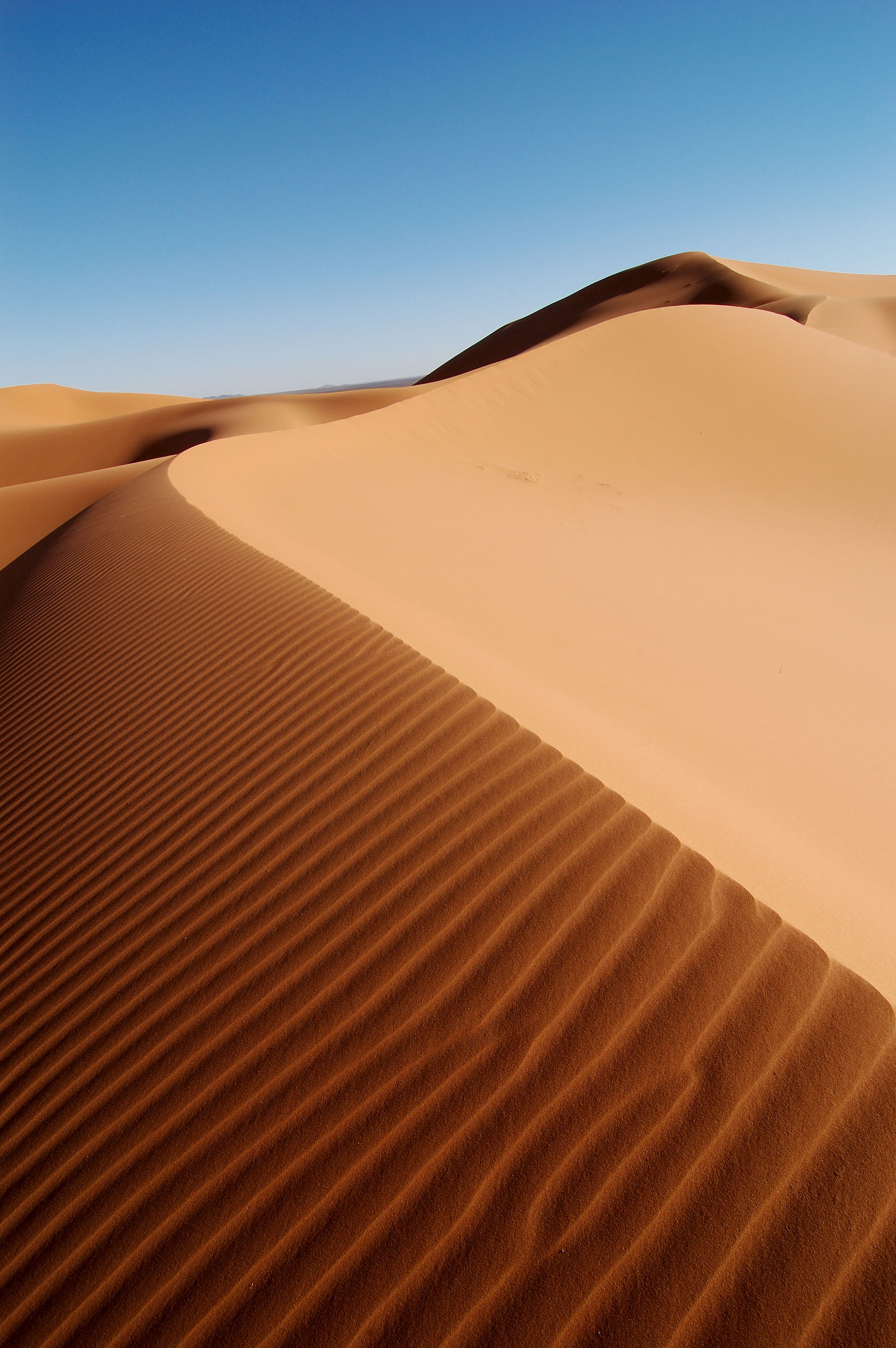
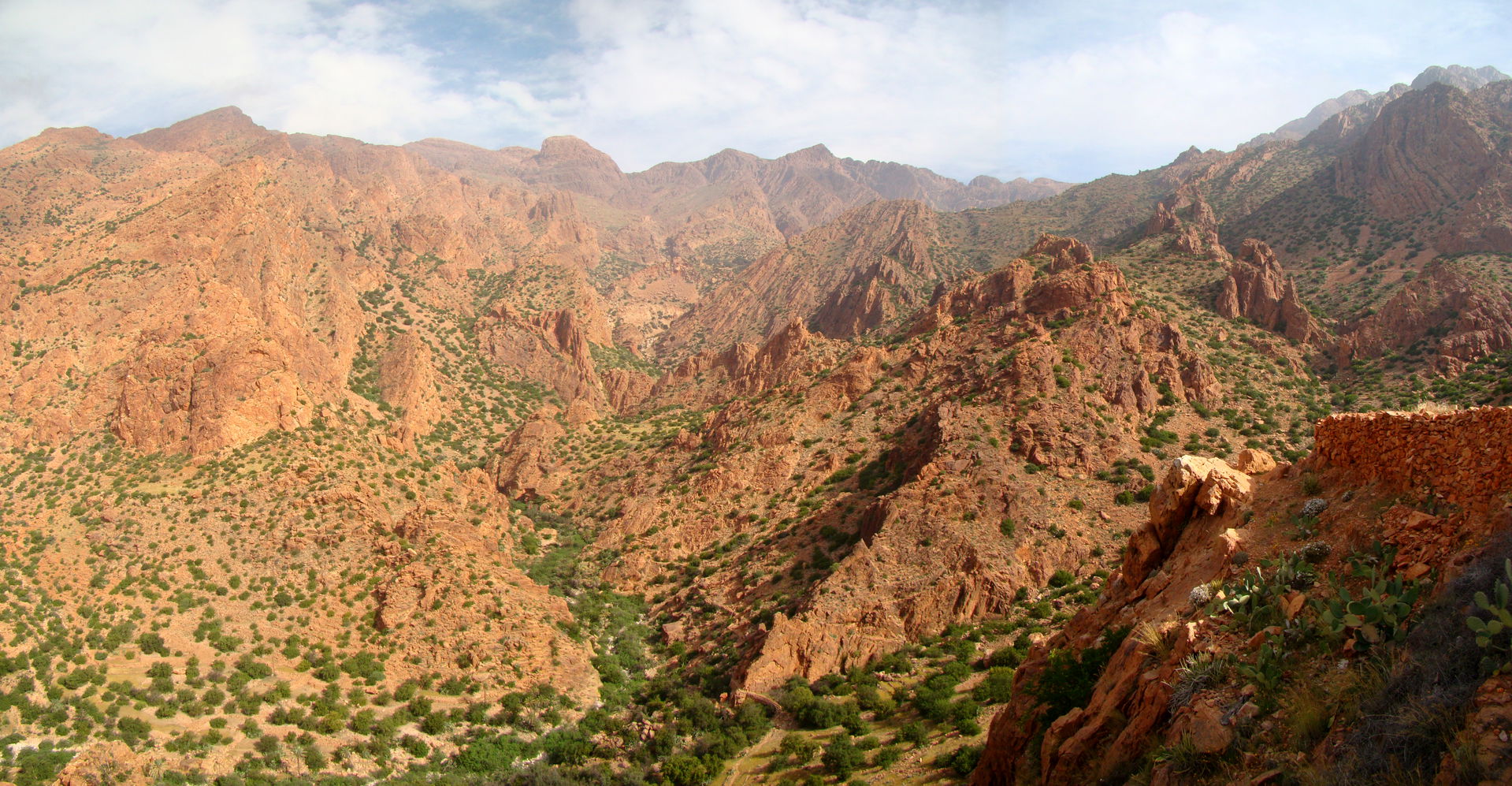
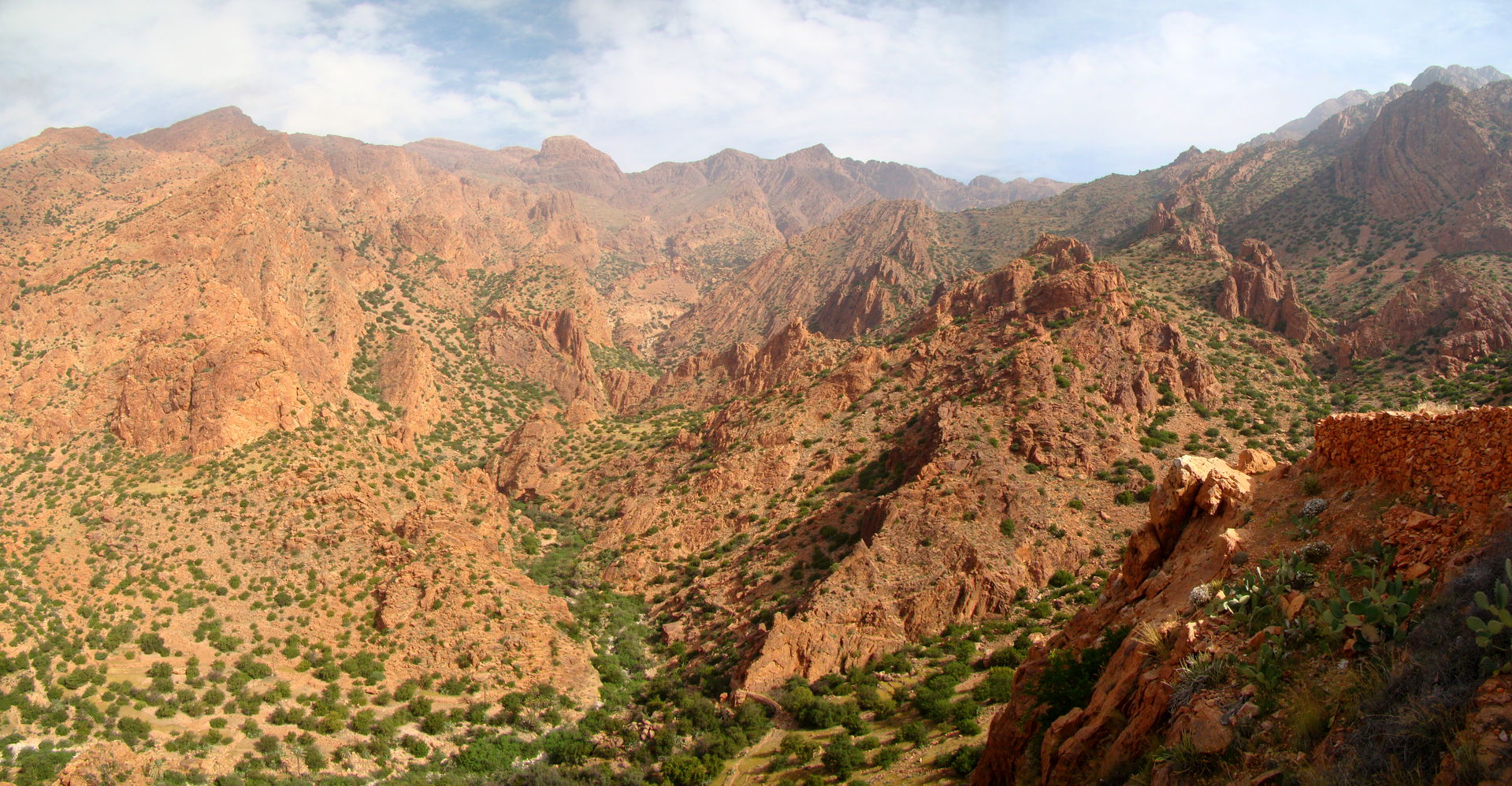
Morocco features diverse climates due to its varied geography, spanning Mediterranean coastal areas, Atlantic plains, continental interiors, rugged mountains, and arid southern deserts. Northern regions enjoy mild, wet winters and hot, dry summers typical of Mediterranean climates, while interiors experience greater temperature extremes.

Climate

Mediterranean, Arid steppe, Arid desert, Mediterranean mountain

Summer

25–40°C

Winter

5–18°C

Sunshine

3200+ hrs/yr

5 distinct climate regions — see full guide for details

Read full guide

Demographics in Morocco

Population
36.9M
Life Expectancy: 75.8
Religions
Islam 99%

Ethnic Composition

See [[#Ethnic groups
N/A

Long-term Expat Guide in Morocco

Visa & ResidencyLong-term pathways explained
Tax ObligationsResidency & income tax basics
Healthcare AccessPublic & private options
Read full guide

Economic overview

Marruecos ofrece un costo de vida muy asequible con un índice de costo de vida (IPC) de 30,9 (NYC = 100). El mercado inmobiliario se considera caro, con una relación precio de la propiedad/ingresos de 13,7 años. El poder adquisitivo es bajo, como lo indica un índice de poder adquisitivo de 49,0 (NYC = 100).

Economy detail

Purchasing power

El poder adquisitivo es bajo, como lo indica un índice de poder adquisitivo de 49,0 (NYC = 100). Marruecos ofrece un costo de vida muy asequible con un índice de costo de vida (IPC) de 30,9 (NYC = 100).

Compare purchasing power

Trabajo y negocios

  • Tasa de empleo: 48.0%
  • Rango salarial: 180.000 MAD–420.000 MAD/año
  • Ecosistema startup: 5.5/10
  • Registro de empresa: 1-2 semanas, 10.000 MAD capital mínimo
  • Principales industrias: Fabricación de automóviles, Energía renovable e hidrógeno verde, Turismo y hotelería, Servicios de tecnología y TI, Agricultura y pesca
  • Actualmente no existe ninguna legislación específica sobre trabajo remoto. Arreglos de trabajo de…
Guía de trabajo y negocios

Healthcare in Morocco

Public HealthcareAvailable to residents
Private InsuranceWide range of providers
Quality RatingSee guide for details
Read full guide

Jubilación y prestaciones

★ Premium
Índice de jubilación
Natixis
Requisito de ingreso mínimo
€●,●●●
🔒 Bloqueado
Sanidad pública
Desde residencia
Desbloquear Premium

Transporte

N/A
Abono mensual de transporte
B+
Aeropuerto · Casablanca & Marrakech-Menara & Agadir & Tánger
45 Mbps
Velocidad media de internet
N/A (viaje único de 5 a 10 MAD)
Viaje sencillo bus/metro

Marruecos cuenta con un panorama de transporte en rápida evolución con el primer ferrocarril de alta velocidad de África (Al Boraq) que conecta Tánger y Casablanca, una extensa red de carreteras de 57.000 km (60% pavimentada) y ampliaciones ambiciosas en autopistas, tranvías y ferrocarriles para 2040. Las fortalezas clave incluyen carreteras modernas y un creciente transporte público urbano en ciudades como Casablanca y Rabat, mientras que persisten los desafíos en la conectividad rural y la congestión del tráfico. Con 43 aeropuertos, incluidos 18 importantes, los residentes y visitantes disfrutan de diversas opciones de movilidad: trenes fiables para viajes interurbanos, autobuses y tranvías locales y alquiler de coches en el lado derecho.

Guía de transporte

Legal & Administrative in Morocco

Residency OptionsMultiple pathways available
Property OwnershipForeign buyers welcome
Legal SystemSee full guide
Read full guide

Integración social

B
Cultural integration
B+
Expat community
B+
Professional networking
B
Social activities

La integración social en Marruecos presenta desafíos moderados para los recién llegados debido a las normas culturales, las barreras del idioma (árabe y bereber dominante) y el sentimiento antiinmigrante ocasional en medio de presiones económicas. Las políticas gubernamentales desde 2013 tienen como objetivo regularizar a los migrantes y brindarles acceso a servicios, fomentando la inclusión particularmente en áreas urbanas como Casablanca y Rabat. Los expatriados encuentran apoyo en las comunidades y ciudades digitales, mientras que los locales enfatizan la hospitalidad pero notan los obstáculos sociales.

Guía de integración social

Medio ambiente y sostenibilidad

12%
Forest coverage
B+
Sustainability
Moderado
Natural disaster risk
B
Air quality

Marruecos demuestra un sólido desempeño climático, ocupando el sexto lugar en el CCPI de 2026 con muy bajas emisiones de GEI per cápita (2,7 tCO2e) y ambiciosos objetivos de energía renovable del 52% para 2030. El país enfrenta desafíos climáticos que incluyen el empeoramiento de las sequías (86% de los ciudadanos reportan una mayor gravedad) y pérdidas de cosechas (65%), en medio de tendencias estables en la calidad del aire. Marruecos está avanzando en la NDC 3.0, la eliminación gradual del carbón para 2040 y el desarrollo sostenible como líder regional, aunque persiste la dependencia de los combustibles fósiles.

Guía de medio ambiente

Medio ambiente y sostenibilidad en Morocco

Calidad del aireVer evaluación detallada
Espacios verdesParques y áreas naturales
SostenibilidadPolíticas ambientales
Read full guide
Political Landscape & Stability

Morocco operates as a parliamentary constitutional monarchy under King Mohammed VI, who holds significant executive powers, with Prime Minister Aziz Akhannouch leading the government since 2021. The bicameral parliament has seen stable multiparty representation following 2021 elections, amid ongoing reforms for economic modernization and decentralization. Political stability persists despite constraints on civil liberties.

System
Parliamentary constitutional monarchy
Legal System
Civil law system influenced by French and Islamic law
Read full guide

¿Listo para dejar de
explorar y empezar a moverte?

Genera una hoja de ruta personalizada — visado, 3 ciudades preseleccionadas, impuestos y cronograma.

Crear mi hoja de ruta

Data Source: Safety, crime, and quality metrics are sourced from Numbeo, a crowd-sourced global database of reported data.

All scores are relative comparisons on a 0-100 scale, where 50 = global average. Higher scores mean better than average, lower scores mean worse than average.