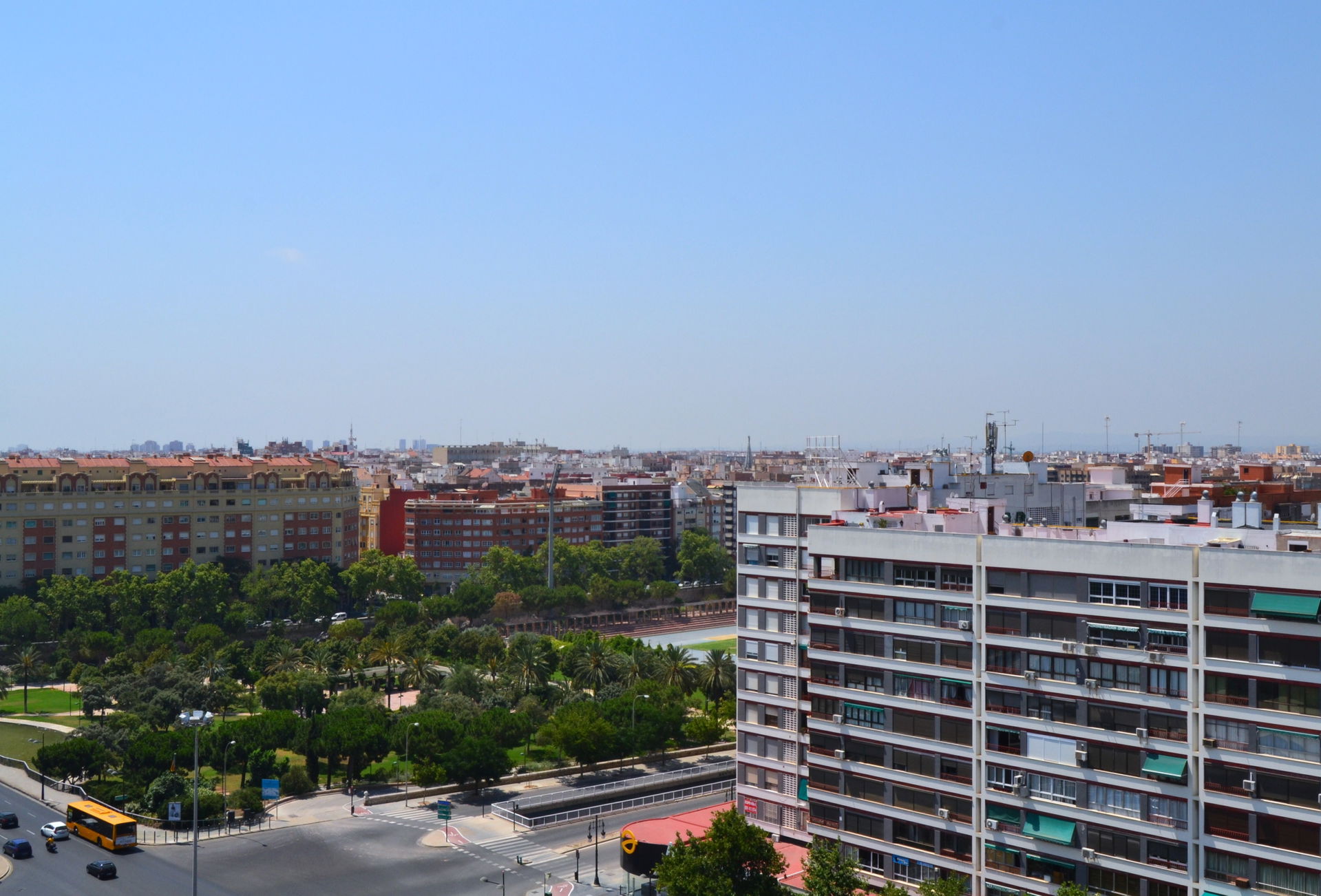
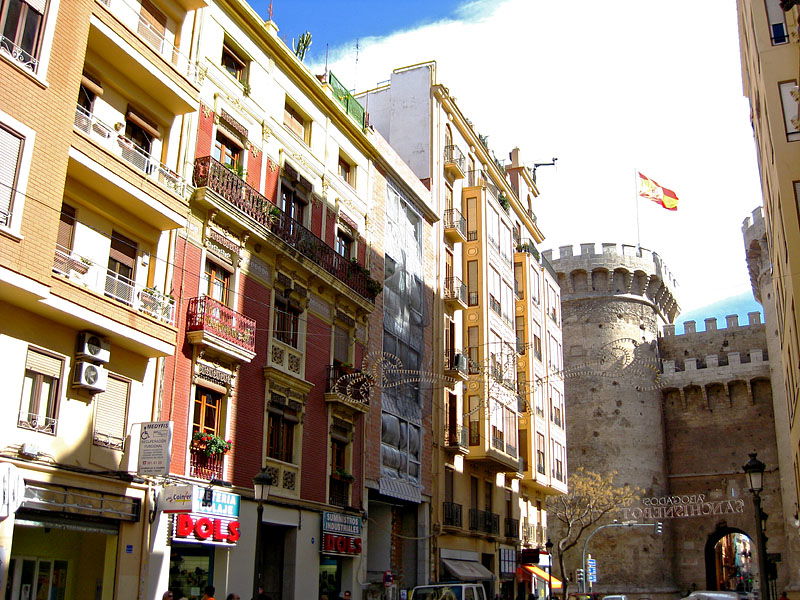
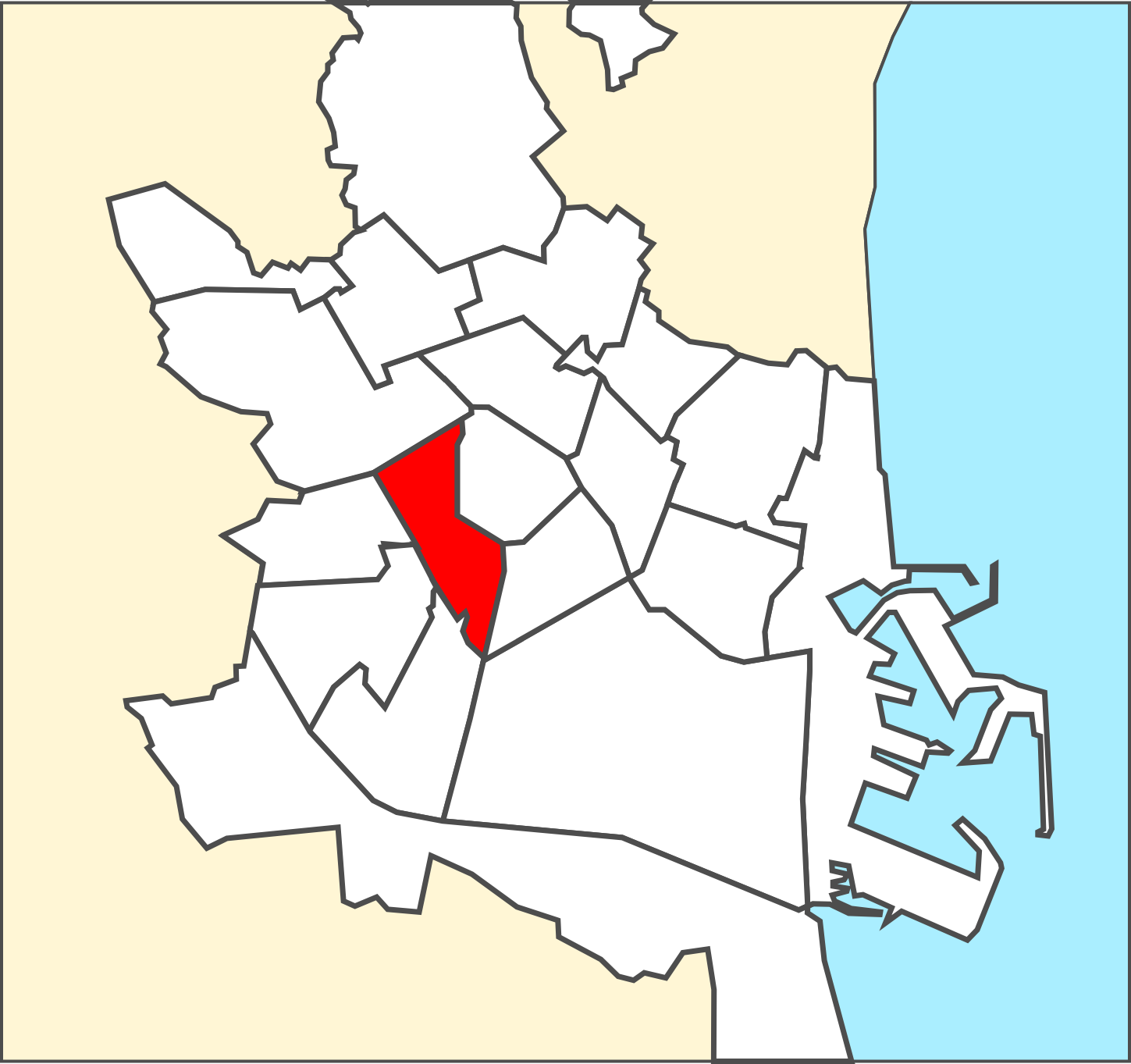
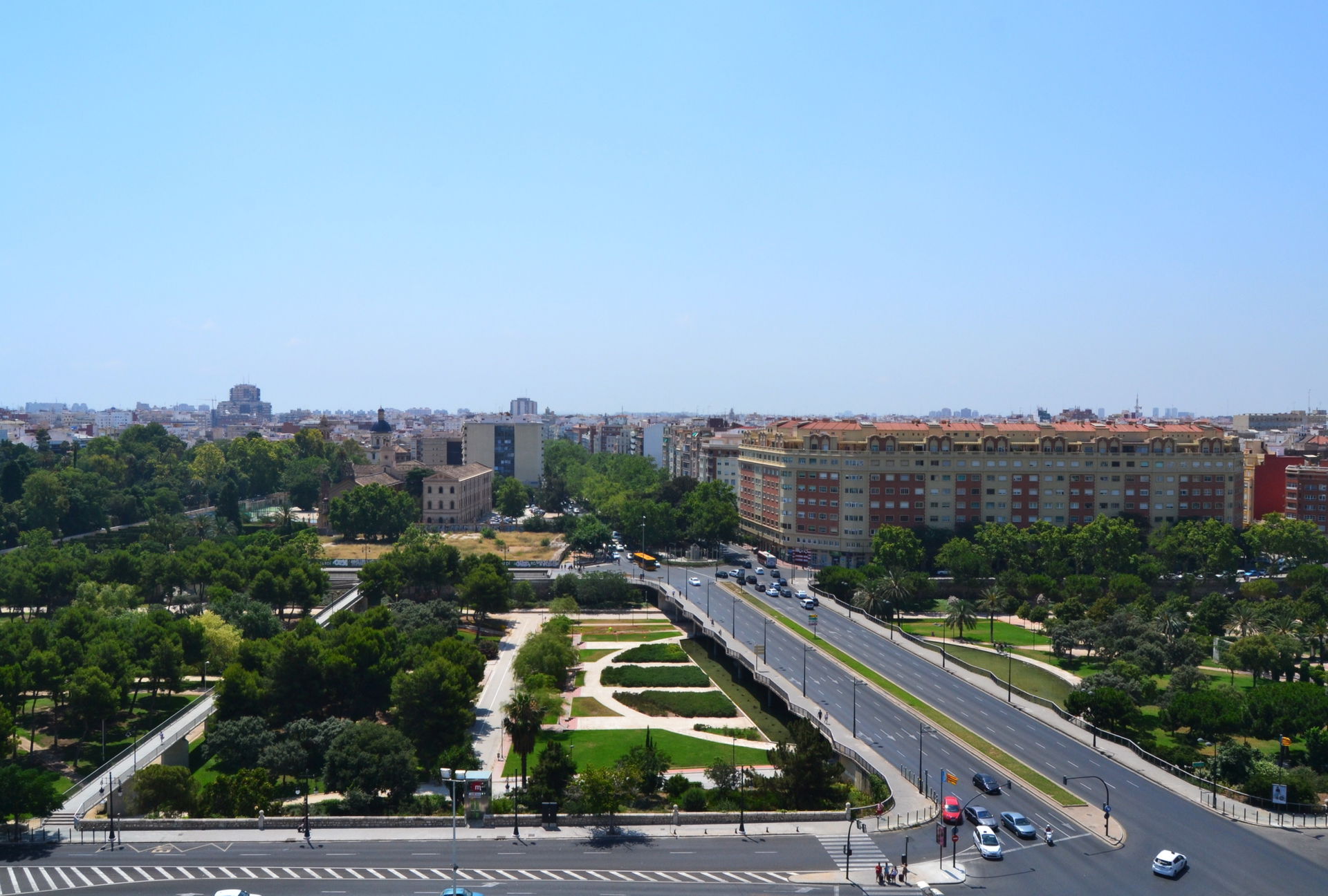
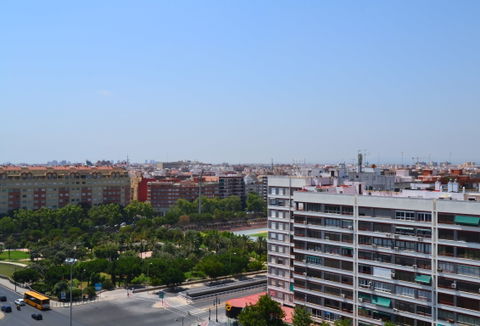
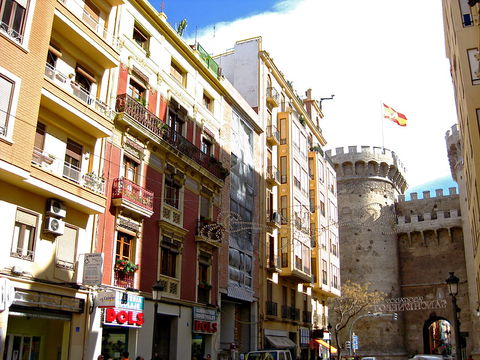
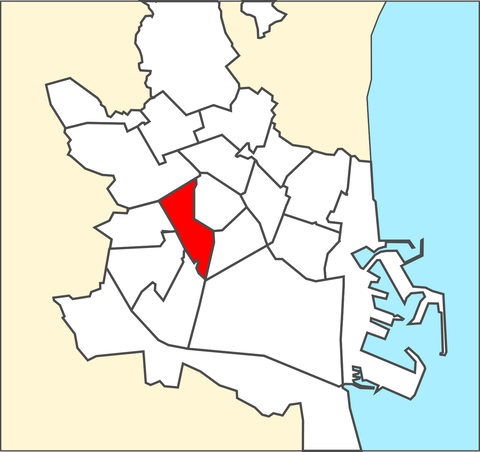
Extramurs, a central district in Valencia with a population of 62,000 across 3.4 square kilometers, offers a vibrant yet balanced urban experience. Characterized by a central mixed vibe and architecture featuring both 19th-century blocks and modern buildings, the district maintains a very high historic character. Despite its central location, it boasts a high amount of green space, ranking 8th among 48 city districts, with 22 parks available for residents. The district's quietness is rated as low, suggesting a lively atmosphere, and its nightlife is moderate, ranking 14th in the city.
Connectivity is a key strength of Extramurs, with very high walkability and cycling friendliness, supported by 12.83 km of cycleways and 19 bike rental stations. Public transport is also very highly rated, placing 3rd in the city, with 3 metro stops, 2 train stations, and 80 bus stops providing extensive access. The district is well-equipped with amenities, including 101 cafes, 148 restaurants, 130 bars, 45 supermarkets, and 49 bakeries. Educational facilities include 39 schools and 4 universities, while healthcare is robust with 25 doctors, 6 hospitals, 60 pharmacies, and 49 dentists.
Extramurs presents a diverse and moderately international community. While its family-friendliness is rated low and school quality moderate, the district's rich cultural offerings, traditional markets, and local family-run establishments contribute to an authentic Valencian daily life. The average rent for an apartment is approximately 14.5 EUR per square meter, with buying prices around 2100 EUR per square meter. Air quality is generally good, with an AQI of 2.3.
This district is well-suited for professionals and students who prioritize excellent connectivity, abundant amenities, and a lively urban environment with a strong sense of local character. It caters to those who appreciate being close to the historic center and green spaces like the Turia Gardens and the Botanical Garden, without the constant tourist crowds. While not overtly suburban, its diverse housing stock, including early 20th-century apartments and some modern developments, offers a range of options for those seeking central living at a potentially better value than some other central districts.
This content was generated using artificial intelligence based on publicly available information. It is provided for general informational purposes only and does not constitute legal, tax, immigration, or professional advice. Information may be incomplete or outdated. Always verify with official sources before making decisions.