This content was generated using artificial intelligence based on publicly available information. It is provided for general informational purposes only and does not constitute legal, tax, immigration, or professional advice. Information may be incomplete or outdated. Always verify with official sources before making decisions.
Source des données : Les métriques de sécurité, criminalité et qualité proviennent de Numbeo, une base de données mondiale collaborative de données déclarées.
Tous les scores sont des comparaisons relatives sur une échelle de 0-100, où 50 = moyenne mondiale. Des scores plus élevés signifient mieux que la moyenne, des scores plus bas signifient pire que la moyenne.
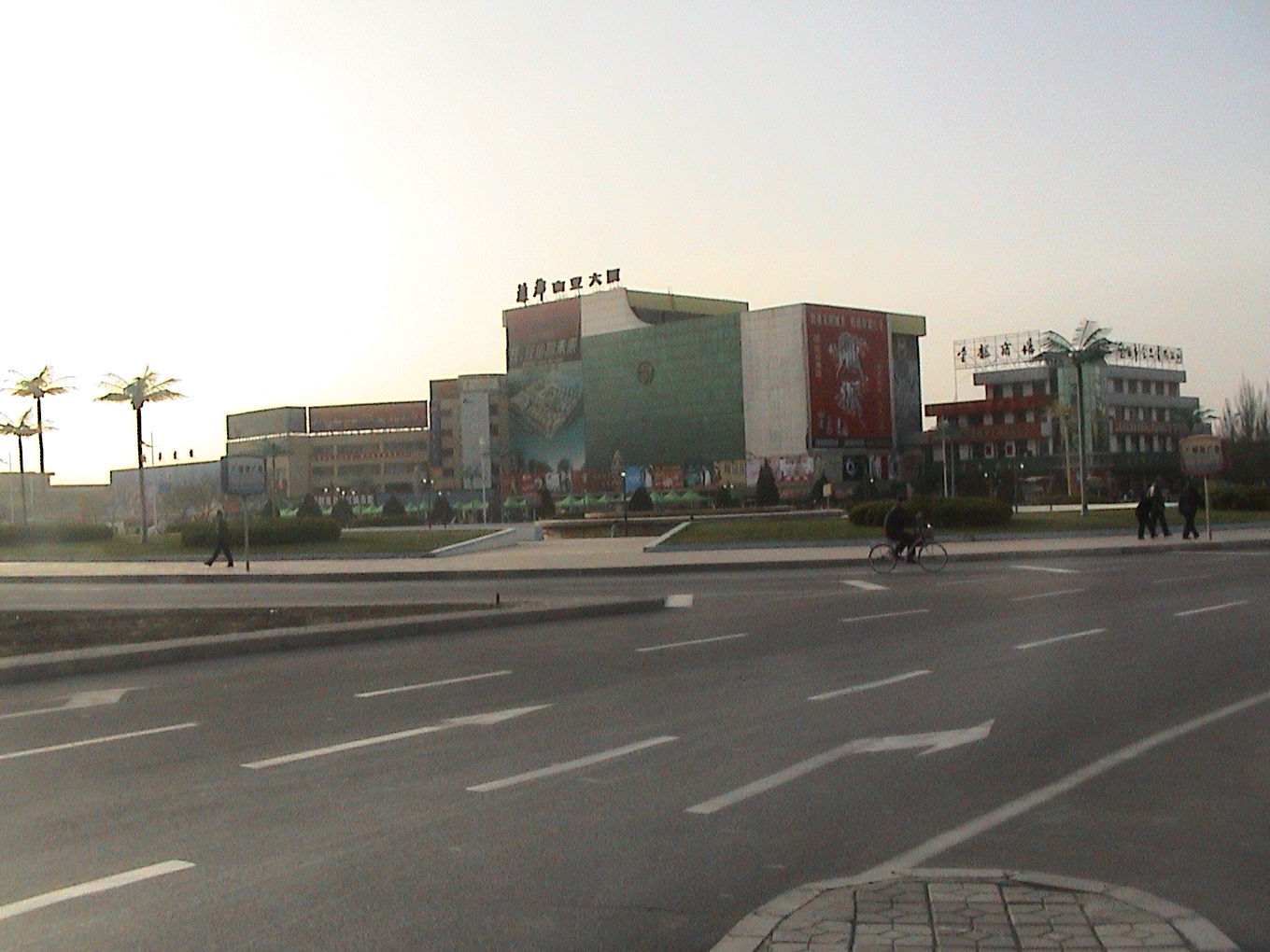
Jinchang offre une expérience pragmatique pour les expatriés au sein du paysage industriel de la province du Gansu, offrant une certaine stabilité aux professionnels en quête d'opportunités dans les régions de l'ouest de la Chine. Bien que plus petite et moins connue à l'échelle internationale, la ville présente un environnement équilibré avec des infrastructures de milieu de gamme solides — des transports publics fiables, des soins de santé corrects et un profil de sécurité respectable qui rend la vie quotidienne prévisible et gérable.
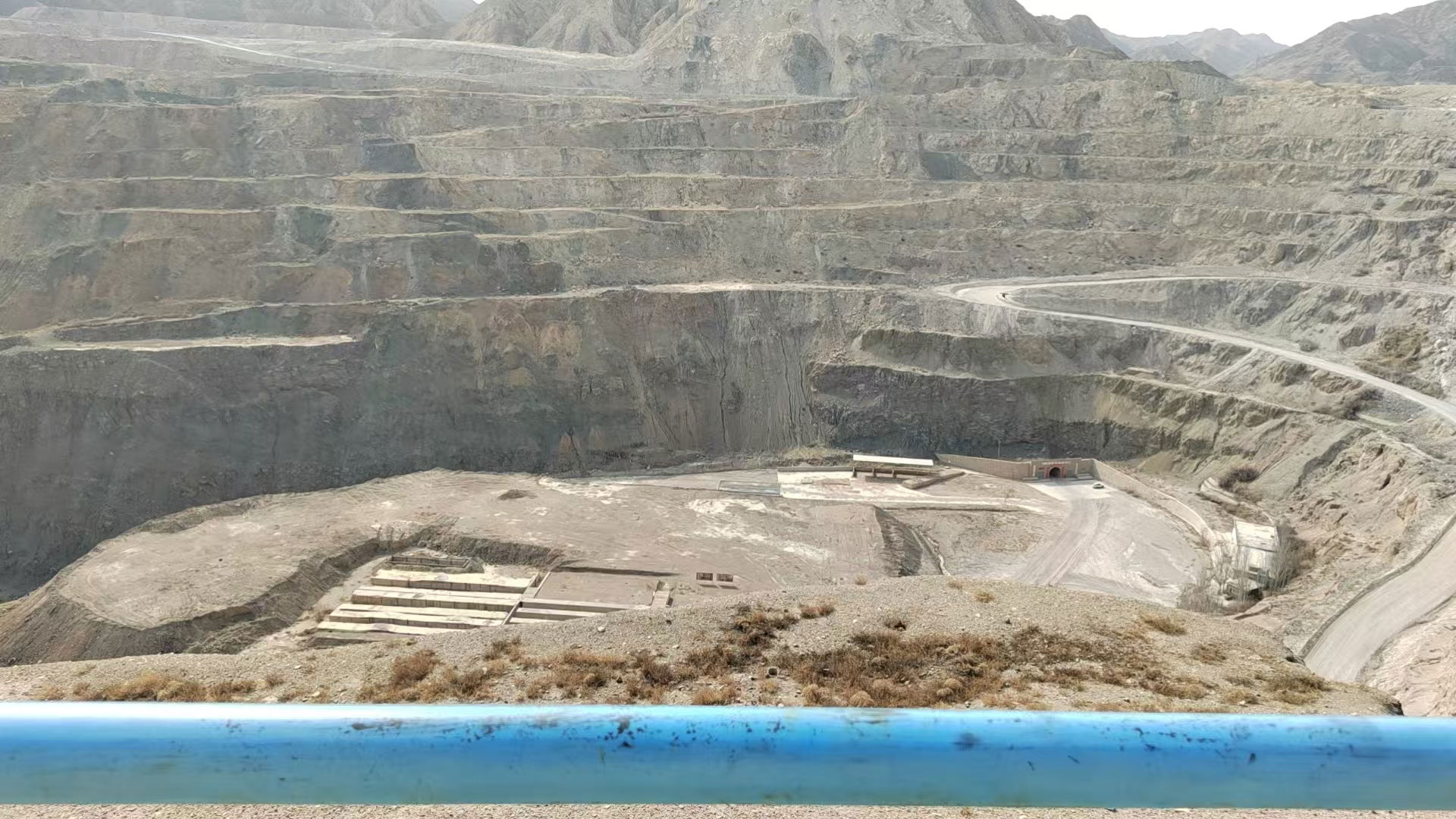
Le véritable attrait de la ville réside dans son caractère industriel chinois authentique, où les travailleurs internationaux peuvent découvrir la vie provinciale véritable sans la complexité écrasante des mégapoles. Le coût de la vie reste raisonnable, et les secteurs de l'exploitation minière et de l'industrie manufacturière de l'économie locale créent des opportunités d'emploi stables pour ceux qui sont prêts à s'adapter à un cadre urbain plus compact. Les professionnels ayant une formation technique et un appétit pour l'immersion culturelle trouveront Jinchang particulièrement intrigante.
Population
144,363
Superficie
2,055 km²
Densité
70 per km²
Fondée
-
Langue
Chinese
Distance à la côte
1709 km
Quartiers et arrondissements in Jinchang
Chargement des quartiers…
Climat et météo à Jinchang
Jinchang a un climat continental froid, aride à semi-aride, avec une classification de Köppen qui peut être décrite comme **Continental Humide** à l'échelle de la ville, bien qu'elle se situe près de la limite avec les conditions de steppe dans le nord-ouest de la Chine. Les étés sont chauds et secs avec un fort ensoleillement, tandis que les hivers sont longs, froids et très secs ; le temps actuellement couvert et à faible humidité est cohérent avec un climat continental intérieur plutôt qu'un régime de mousson humide.
Moyenne estivale
23°C
Moyenne hivernale
-8°C
Type de climat
Continental Humide
Jours de pluie
55
Jours ensoleillés
285
Humidité
45%
Printemps
March - May
5-18°C
Le printemps est sec, venteux et changeant, avec des températures qui augmentent rapidement de frais à doux. Des conditions poussiéreuses peuvent survenir à mesure que la région sort de l'hiver.
Faible rainfall
Été
June - August
20-28°C
L'été est généralement chaud à très chaud pendant la journée, mais les nuits peuvent rester relativement fraîches en raison de l'altitude intérieure et de l'air sec. Les précipitations sont limitées et tombent souvent lors d'événements courts et dispersés.
Faible rainfall
Automne
September - November
2-18°C
L'automne est court, ensoleillé et se rafraîchit régulièrement, avec très peu de précipitations. Un ciel clair et de grandes variations de température entre le jour et la nuit sont courants.
Très faible rainfall
Hiver
December - February
-15--2°C
L'hiver est long, froid et sec, avec des températures de gel fréquentes et une faible humidité. Les chutes de neige sont généralement limitées, et les journées ensoleillées sont courantes malgré le froid.
Très faible rainfall
Chargement de la météo...
Qualité de l'air
Jinchang
Avantages
Jinchang
Industrie minière de nickel importante
Emplacement stratégique dans le Gansu
Économie industrielle stable
Secteur des énergies renouvelables en croissance
Coût de la vie abordable
Inconvénients
Jinchang
Opportunités économiques limitées
Emplacement industriel éloigné
Commodités culturelles minimales
Climat désertique rigoureux
Sécurité et protection à Jinchang
Score global de sécurité
Inclut les facteurs de résilience et environnementaux
Modéré
57
/100
Chine Moy.
54
Asia Moy.
56
Moyenne mondiale
56
Métriques de criminalité et sécurité
Thermometer compares Jinchang to Chine averages using different marker styles.Comparer :
Jinchang
Chine Average
Aucune donnée spécifique à la ville — affichage des moyennes nationales de Chine.