




À examiner attentivement
À examiner attentivement
Indice de qualité de vie sur 100
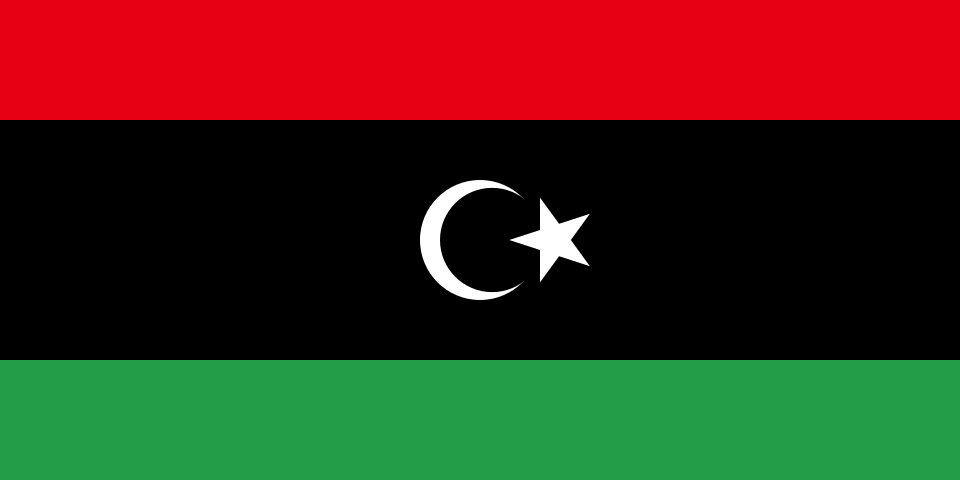
Libye
Mediterranean Sea · Arabic
Libye
La Libye offre le soleil et les côtes de la Méditerranée à une fraction des coûts occidentaux : un IPC inférieur à 20 signifie que votre salaire s'étend plus loin que jamais.
Ce que c'est que de vivre à Libye
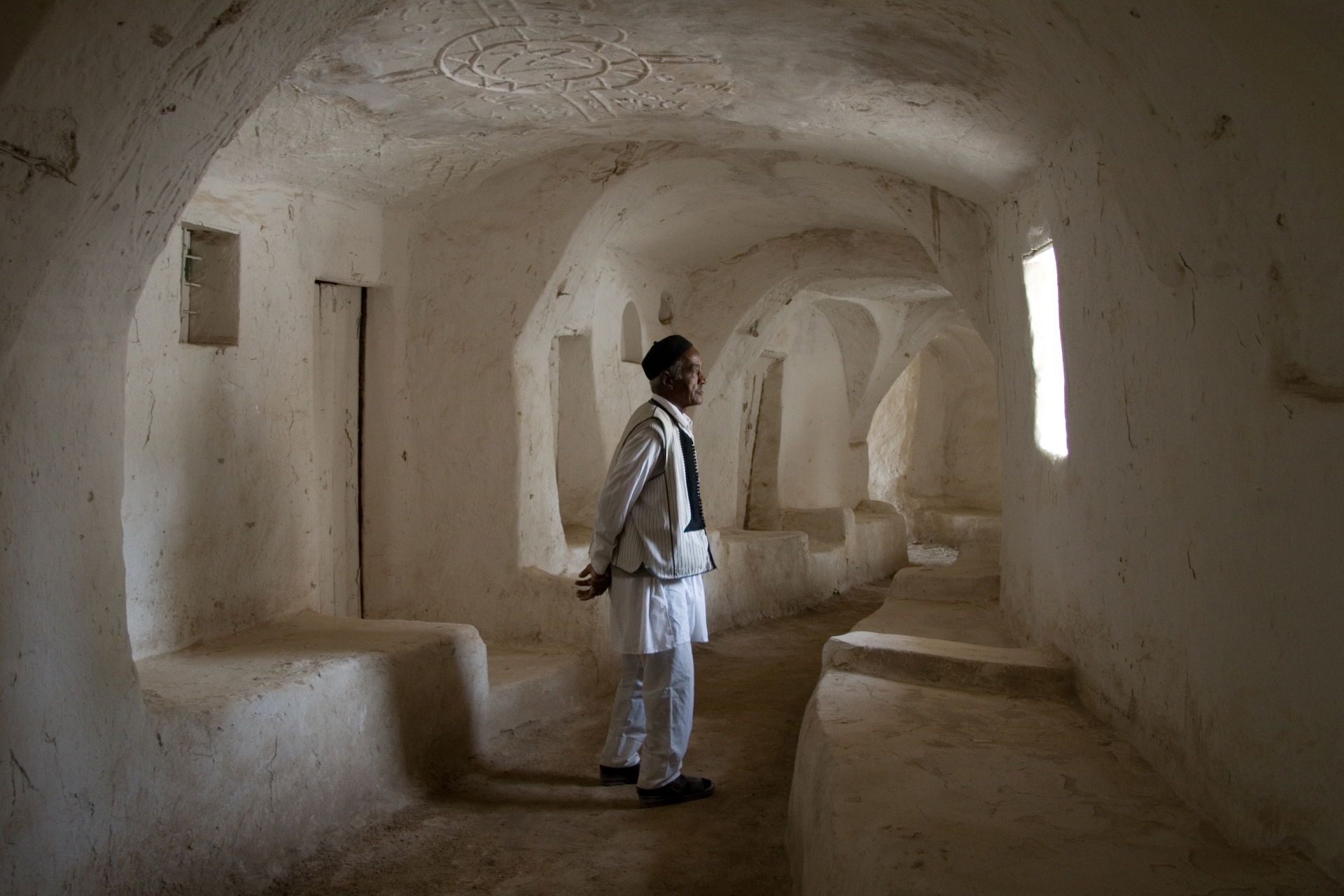
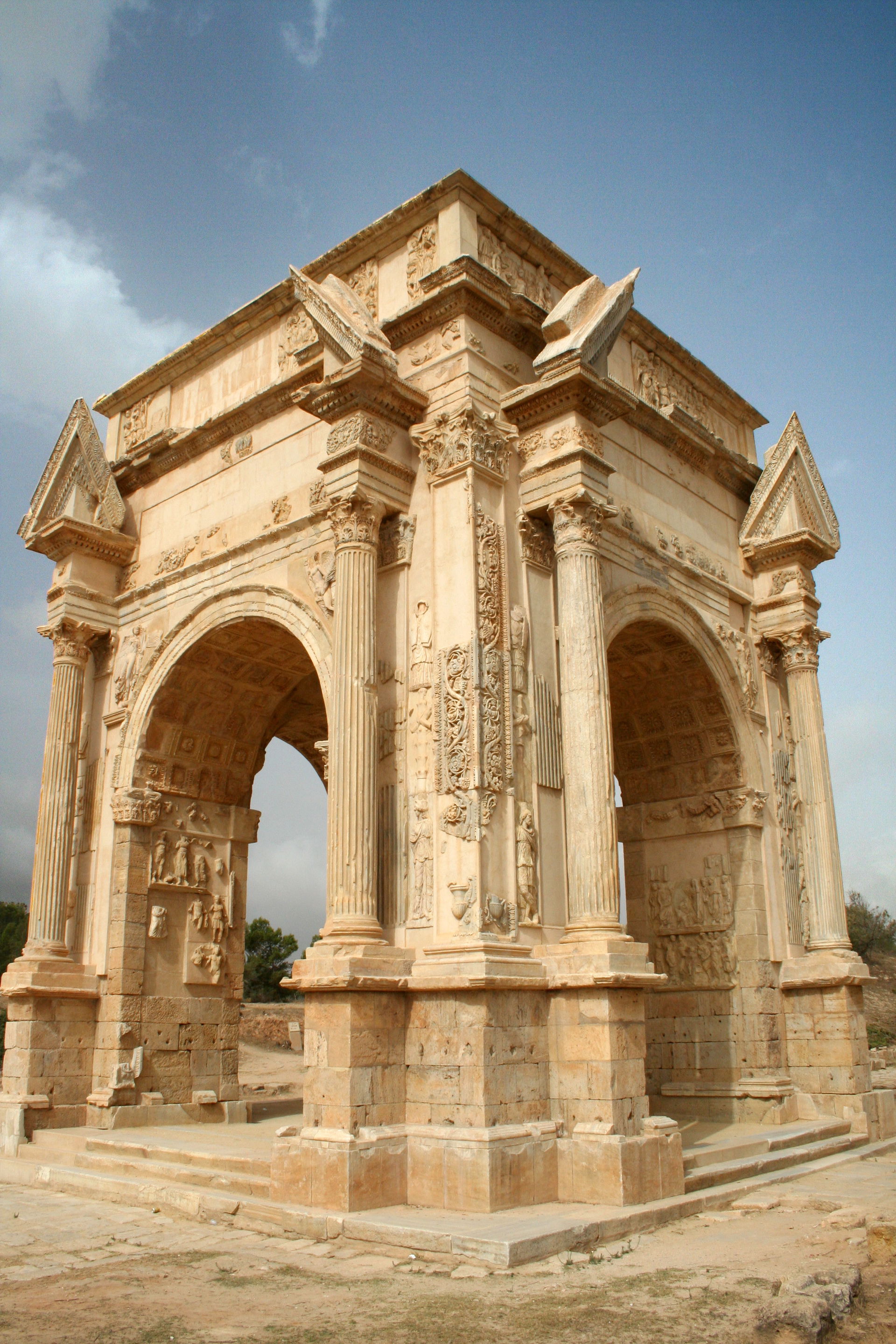
La Libye est un grand pays d'Afrique du Nord situé le long de la côte méditerranéenne, couvrant environ 1,76 million de kilomètres carrés, ce qui en fait le quatrième plus grand pays d'Afrique et le 16ème au monde. Il borde six pays : l'Égypte, le So...
Votre feuille de route pour Libye
Analyse de relocalisation personnelle de plus de 40 pages — parcours visa, stratégie fiscale, guide de quartier, installation médicale et plus encore.
- ✓Parcours visa et résidence
- ✓Optimisation fiscale
- ✓Guide de quartier
- ✓Santé et écoles
- ✓Détail des coûts
Santé
- Le système de santé libyen a été gravement touché par l'instabilité politique et le conflit persistants, entraînant d'importants défis dans la prestation de services.
- Les soins de santé publics sont généralement gratuits dans les centres de soins primaires, mais les hôpitaux publics facturent souvent des frais, et la qualité et la disponibilité globales des services sont incohérentes.
- Il est fortement conseillé, et souvent obligatoire, aux expatriés de souscrire une assurance maladie internationale complète qui comprend l'évacuation médicale en raison des limitations des soins de santé locaux.
La Libye exige un visa touristique pour presque tous les voyageurs internationaux, y compris les citoyens des États-Unis, du Royaume-Uni, du Canada, de l'Australie et de la plupart des autres nationalités. Depuis mars 2024, la Libye a mis en place un système eVisa coûtant 63 USD, valable 90 jours avec un séjour maximum de 30 jours (entrée unique). L'approbation prend généralement 5 jours ouvrables, mais nécessite une Lettre d'invitation (LOI) préalable d'une agence de voyage libyenne autorisée. Les voyageurs individuels...
Découvrez les villes de Libye
Voir toutes les villes de LibyeCréez votre profil gratuit pour voir les scores de compatibilité personnalisés.


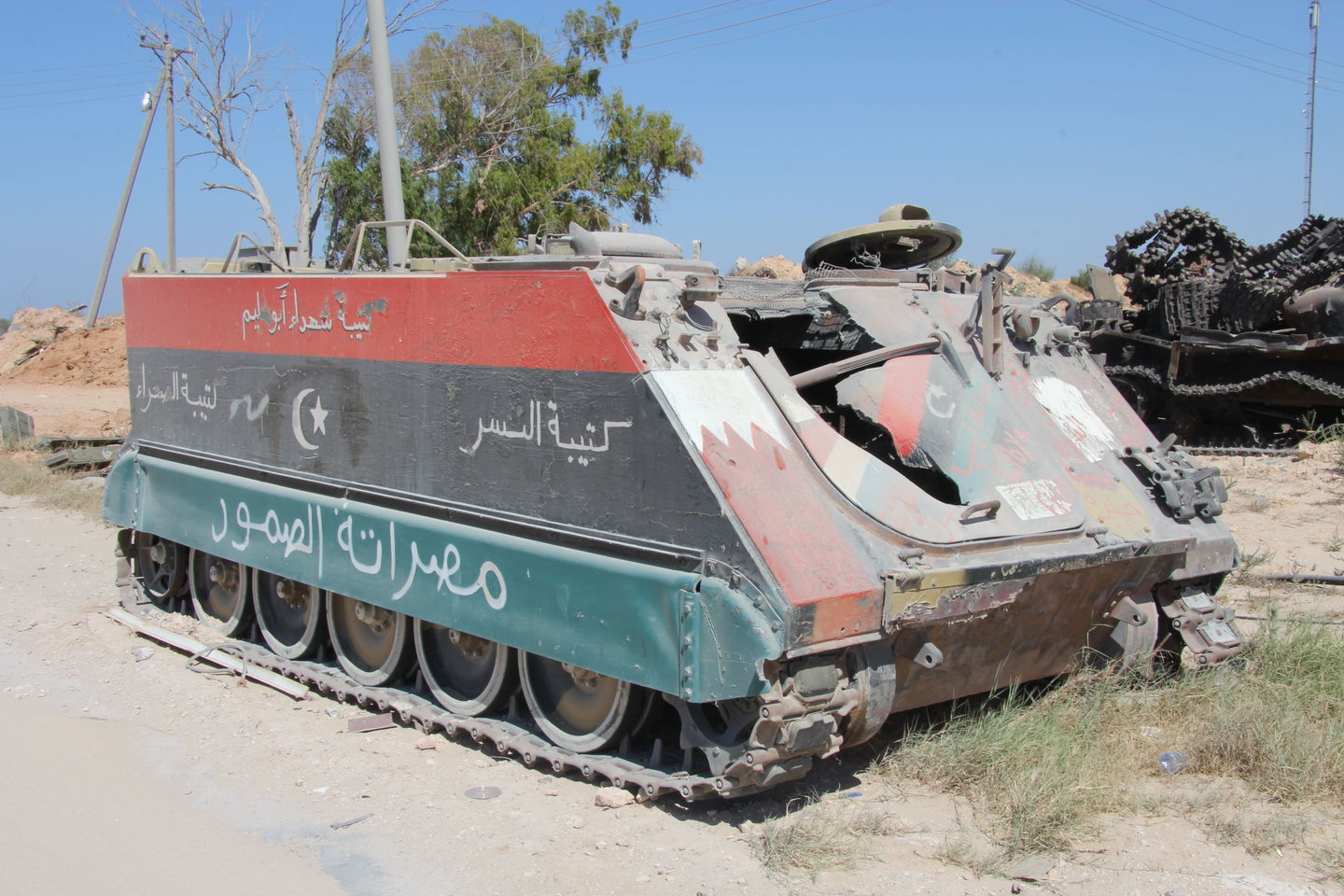


Avis de voyage, dangers et indicateurs de conflit
Ce que d'autres gouvernements recommandent actuellement pour les voyages dans ce pays
Coût de la vie, logement, revenus et pouvoir d'achat
Impôt sur le revenu, impôt sur les sociétés et système fiscal
Marché du travail, environnement des affaires et permis
Écoles internationales, universités et système éducatif
Pension, voies de retraite et planification financière
Températures saisonnières, précipitations et ensoleillement
Photos et paysages du pays
Population, langues et composition ethnique
Vie quotidienne d'expatrié et conseils pratiques
Transports en commun, aéroports et déplacements
Résidence, immobilier et cadre juridique
Qualité de l'air, espaces verts et durabilité
Gouvernement, élections et paysage politique
Localisation, indice du coût de la vie et pouvoir d'achat
Vue d'ensemble économique et géographique
Avis et expériences de la communauté expatriée
Communauté et discussion
Prêt à arrêter
de naviguer et à passer à l'action ?
Générez une feuille de route de relocalisation personnalisée — parcours visa, 3 villes présélectionnées, fiscalité et calendrier.
This content was generated using artificial intelligence based on publicly available information. It is provided for general informational purposes only and does not constitute legal, tax, immigration, or professional advice. Information may be incomplete or outdated. Always verify with official sources before making decisions.
Source des données : Les métriques de sécurité, criminalité et qualité proviennent de Numbeo, une base de données mondiale collaborative de données déclarées.
Tous les scores sont des comparaisons relatives sur une échelle de 0-100, où 50 = moyenne mondiale. Des scores plus élevés signifient mieux que la moyenne, des scores plus bas signifient pire que la moyenne.
Communauté, intégration culturelle et vie d'expatrié