


Excellent destination
Quality of life index out of 100

Austria
Danube, Inn, Lake Constance, Morava, Neusiedl Lake, Rhine, Salzach, Thaya · German
Austria
{ "tagline": "Austria ranks 1 in EU quality of life with universal healthcare, top-tier public transit, and a cost of living 30% below Western Europe — all wrapped in political stability and Alpi…
What it's like to live in Austria· AI overview
Austria is a predominantly mountainous country located in Central Europe, positioned between Germany, Italy, and Hungary with a total area of 83,871 square kilometers. The nation's landscape is defined by the Alps, which cover approximately 62 percen...
Your Austria Roadmap
40+ page personal relocation analysis — visa path, tax strategy, neighbourhood guide, healthcare setup and more.
- ✓Visa & residency path
- ✓Tax optimisation
- ✓Neighbourhood guide
- ✓Healthcare & schools
- ✓Cost breakdown
With a safety index of 71/100, Austria offers good safety conditions for expats and their families.
For non-EU visitors planning to enter Austria, the entry requirements depend primarily on nationality and the intended length and purpose of stay. Citizens of many countries, including the United States, Canada, Australia, Japan, New Zealand, and Israel, do not require a visa for short stays up to 90 days within any 180-day period for tourism, business, or family visits. Visitors must hold a passport valid for at least three months beyond their planned departure date from the Schengen area, though...
Discover Cities in Austria
View all cities in AustriaCreate your free profile to see personalized match scores.

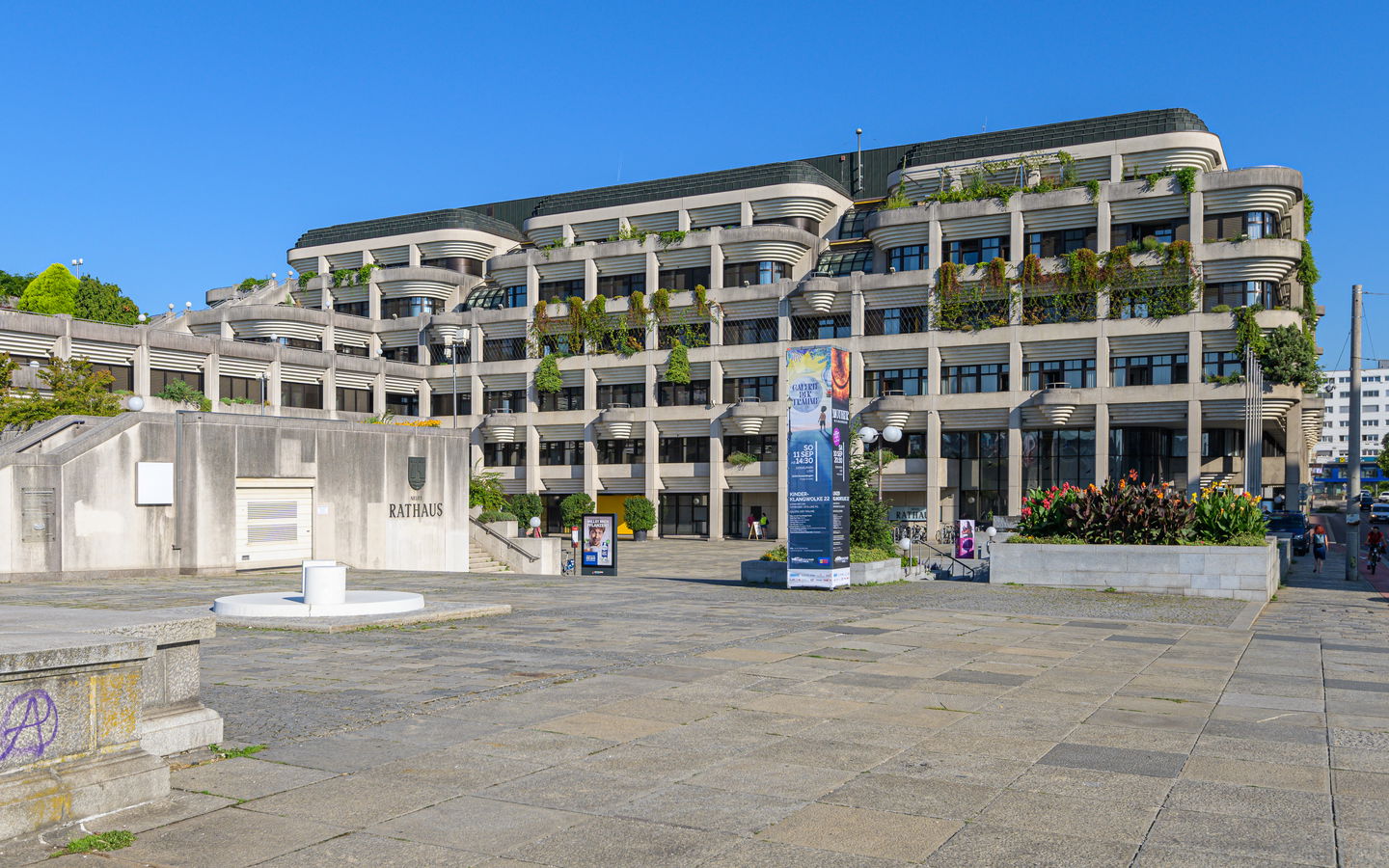


Austria shows a purchasing power index of 128/100, indicating excellent economic conditions for expats.
GDP
$511.69B
Total economic output of the country
HDI
0.92
Very high human development
Quality of Life
88/100
Excellent quality of life — among the top worldwide
Purchasing Power
53/100
Moderate purchasing power — around global average
Understanding the economic landscape is essential for evaluating living costs and opportunities in Austria. This comprehensive overview covers key financial indicators including cost of living, housing markets, income levels, and fiscal policies that shape daily life and long-term financial planning.
Cost of Living Index
Expensive costs with a Cost of Living Index of 70. Read more
Housing Market
Property prices average 10. Read more
Average Income Levels
A Purchasing Power Index of 128. Read more
Tax System
Austria has a progressive income tax system with rates ranging from 0% to 55% (the 55% rate applies to income over €1,000,000 until 2025). Read more
Business Environment
Austria generally ranks well in ease of doing business (27th out of 190 economies by World Bank), but starting a business can take an average of 21 days. Read more
Social Security
Austria offers a comprehensive social security system, mandatory for most employees, covering health, accident, pension, and unemployment insurance. Read more
Banking & Financial Safety
Deposits are protected up to €100,000 (approx. Read more
Tax information is currently being researched.
Climate
Austria's climate is predominantly temperate with significant regional variations due to its Alpine topography and position in Central Europe. Classified mainly as oceanic (Cfb) in lower areas and cold humid continental (Dfb) in mountains, it features mild to warm summers and cold winters, with higher precipitation in the west.
Oceanic, Continental, Alpine
18–28°C
-5–5°C
2400+ hrs/yr
3 distinct climate regions — see full guide for details
Read full guideDemographics in Austria
Ethnic Composition
Long-term Expat Guide in Austria
Gallery for Austria
20 photosEconomic overview
Expensive costs with a Cost of Living Index of 70. Property prices average 10. A Purchasing Power Index of 128.
Economy detailWork & Business
- Employment rate: 76.3%
- Salary range: €25,000–€65,000/year
- Startup ecosystem: 6.8/10
- Business registration: 2-3 weeks, €35,000 min capital
- Top industries: Advanced Manufacturing, Technology & IT, Tourism, Engineering, Healthcare
- Legal framework supports remote and hybrid work models. No specific digital nomad visa, but flexi…
Purchasing power
A Purchasing Power Index of 128. Expensive costs with a Cost of Living Index of 70.
Compare purchasing powerHealthcare
- Austria operates a two-tier healthcare system, primarily funded by mandatory social insurance, offering universal coverage to residents.
- Expats employed in Austria are automatically enrolled in the public health insurance system (ÖGK), with contributions deducted from their salary.
- A photo e-card is essential for accessing public healthcare services, serving as proof of insurance and containing your electronic health record.
- Private health insurance is supplementary, offering benefits like shorter waiting times, choice of doctors, and private hospital rooms.
- Non-EU/EFTA/UK citizens require comprehensive health insurance for visa applications and residency permits.
- Emergency services are widely available by dialing 144 for an ambulance or 112 for the European emergency number.
- While public healthcare quality is high, concerns exist regarding waiting times for specialist appointments and the potential for a two-tier system.
- Typical out-of-pocket costs include a prescription charge (€6.50-€7.55) and a small daily hospital fee, with most other services covered by public insurance.
Retirement & benefits
Austria does not offer a dedicated retirement or passive income visa program. Austria operates a robust pay-as-you-go (PAYG) statutory pension system with employer (12.
Unlock PremiumTransportation
Austria boasts a sophisticated transportation infrastructure, leveraging its central European location with world-class public transit, advanced road networks, and efficient mobility solutions. The country combines alpine terrain challenges with innovative transportation technologies, offering seamless connectivity across urban and rural regions.
Transportation guideLegal & Administrative
Legal & Administrative in Austria
Environment & Sustainability in Austria
Austria maintains a stable parliamentary democracy with strong economic performance and a commitment to social welfare. The current government focuses on digital transformation, environmental sustainability, and maintaining the country's high quality of life.
Ready to stop
browsing and start moving?
Generate a personalized relocation roadmap — visa path, 3 shortlisted cities, tax & timeline.
Data Source: Safety, crime, and quality metrics are sourced from Numbeo, a crowd-sourced global database of reported data.
All scores are relative comparisons on a 0-100 scale, where 50 = global average. Higher scores mean better than average, lower scores mean worse than average.
Social Integration
Austria offers a complex social integration landscape for expats, characterized by a structured society with high expectations for language and cultural adaptation. While welcoming, integration requires significant personal effort and cultural understanding.
Social integration guideEnvironment & Sustainability
Austria demonstrates strong environmental commitment through comprehensive sustainability policies, advanced renewable energy infrastructure, and proactive climate protection strategies.
Environment guide