This content was generated using artificial intelligence based on publicly available information. It is provided for general informational purposes only and does not constitute legal, tax, immigration, or professional advice. Information may be incomplete or outdated. Always verify with official sources before making decisions.
Data Source: Safety, crime, and quality metrics are sourced from Numbeo, a crowd-sourced global database of reported data.
All scores are relative comparisons on a 0-100 scale, where 50 = global average. Higher scores mean better than average, lower scores mean worse than average.
Buenos Aires has a humid subtropical climate (Köppen Cfa) with warm, humid summers and mild winters. Rainfall is spread through the year, and the city often experiences partly cloudy conditions, with humidity frequently high enough to feel muggy in summer. Current conditions around 15-16°C with overcast skies are consistent with the city’s mild, changeable weather outside summer.
Summer Average
25°C
Winter Average
11°C
Climate Type
Humid Subtropical
Rainy Days
90
Sunny Days
220
Humidity
70%
Spring
September - November
18-25°C
Spring is mild to warm, with increasing humidity and frequent showers as the season progresses. Weather can change quickly, with sunny intervals mixed with cloud cover and rain.
Moderate rainfall
Summer
December - February
25-31°C
Summer is hot, humid, and often unsettled, with thunderstorms and rain showers common. Heat can feel stronger because of high moisture levels in the air.
High rainfall
Autumn
March - May
15-23°C
Autumn is generally warm at first and then turns cooler, with lower heat and more comfortable humidity. Rain remains possible throughout the season.
Moderate rainfall
Winter
June - August
8-16°C
Winter is mild to cool rather than severe, with occasional cold fronts, wind, and overcast days. Frost and snow are uncommon in the city.
Low rainfall
Loading Weather...
Air Quality
Buenos Aires
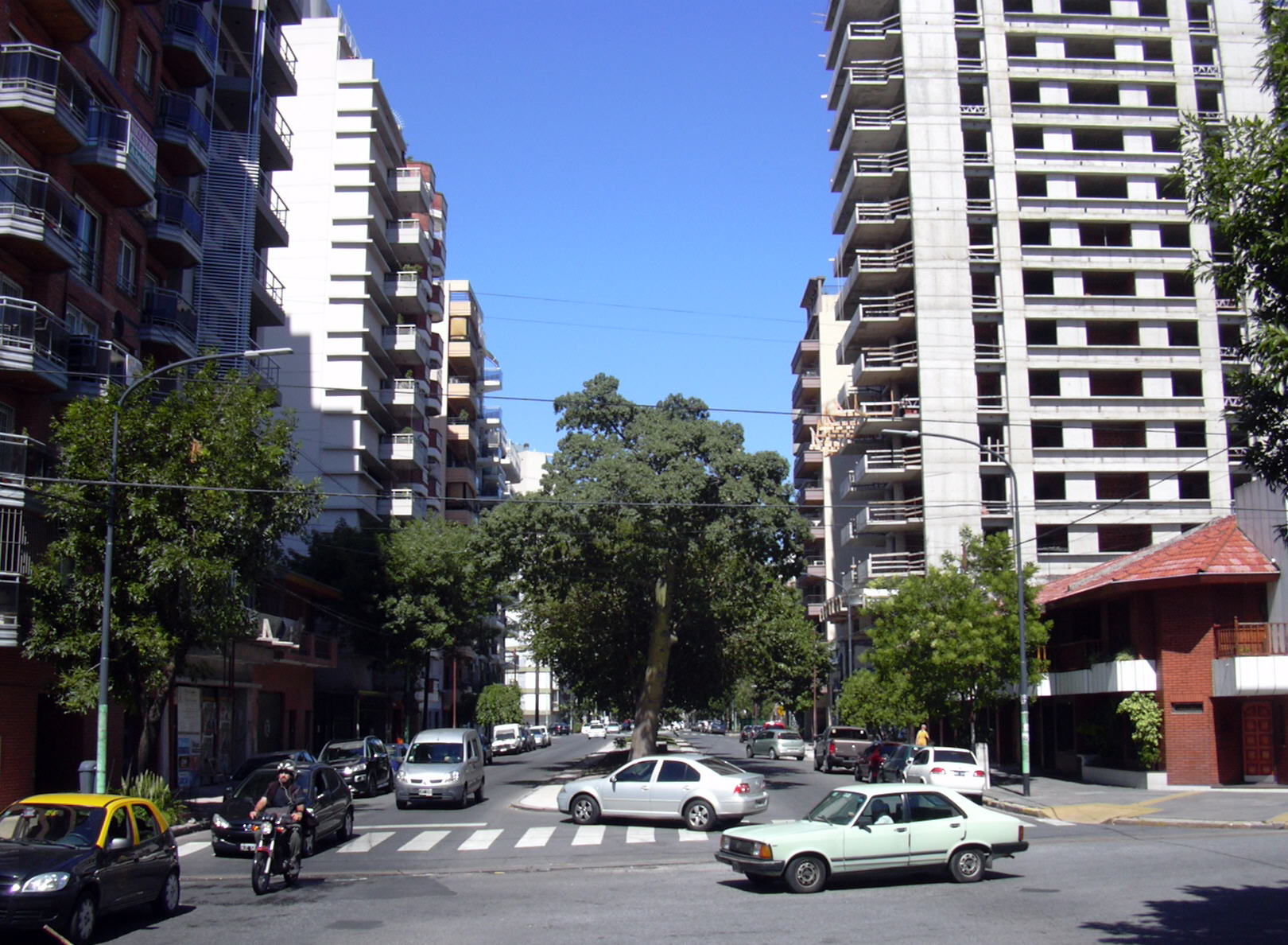
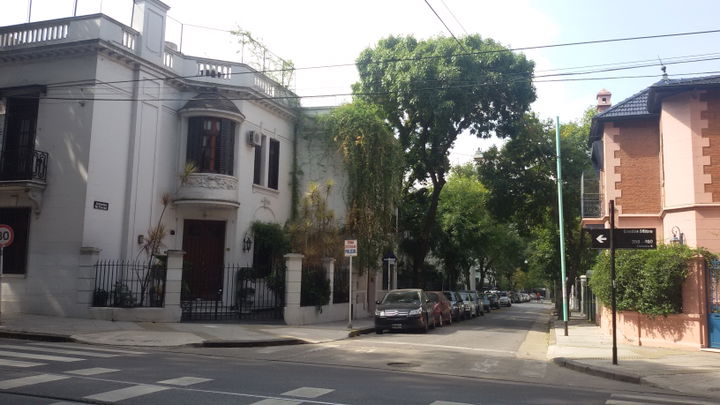
Buenos Aires draws expats with its European-style urbanism, vibrant cultural scene, and genuinely walkable neighborhoods where you can actually build a life—not just visit. The cost of living remains reasonable compared to major Western cities, and healthcare quality is solid. Public transport works reliably, making car ownership unnecessary for most.
The real trade-off: Argentina's economic volatility creates unpredictability around currency and inflation, which affects everything from rent to daily expenses. Safety varies significantly by neighborhood, so location choice matters. If you're comfortable with some financial uncertainty and willing to research where you'll actually live, Buenos Aires rewards you with a lifestyle that feels less transient than typical expat hubs.
Advantages
Buenos Aires
World-class cultural institutions
Vibrant tango and nightlife
Excellent university education
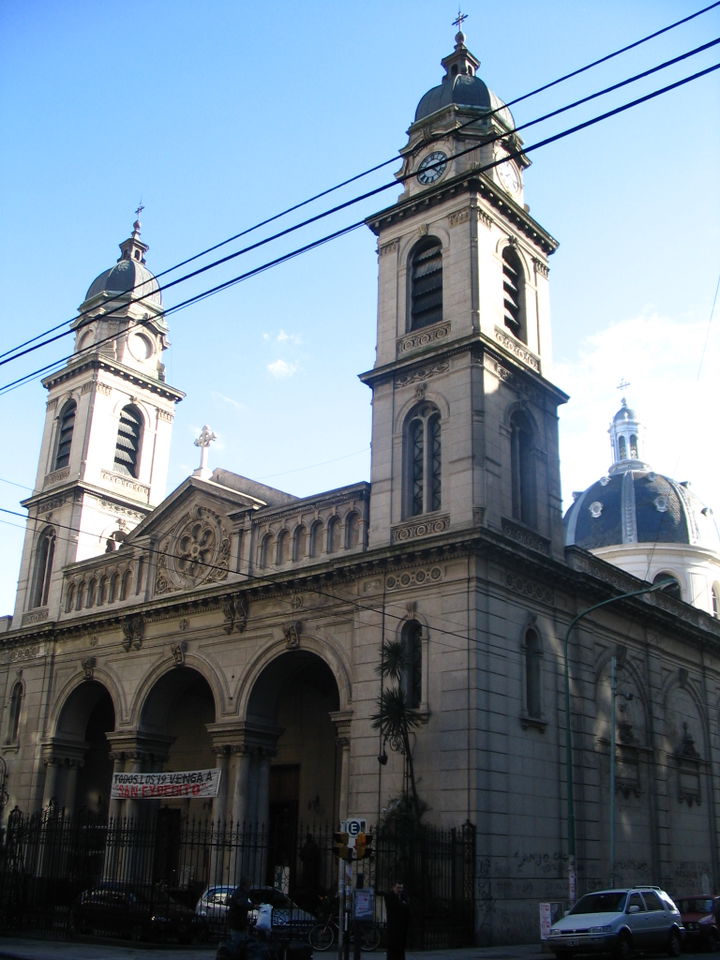
European architecture and design
Rich artistic community
Passionate sports culture
Disadvantages
Buenos Aires
Economic instability and inflation
Bureaucratic inefficiency
Infrastructure maintenance gaps
Unequal neighborhood safety
Limited coworking spaces
Safety & Security in Buenos Aires
Overall Safety Score
Includes resilience and environmental factors
Moderate
48
/100
Argentina Avg
55
South America Avg
54
Worldwide Avg
56
Crime & Safety Metrics
Thermometer compares Buenos Aires to Argentina averages using different marker styles.Compare:
Buenos Aires
Argentina Average
Safety Index
0510
Low
Safety from Crime
0510
Concerning
Safe Alone (Day)
0510
Moderate
Safe Alone (Night)
0510
Critical
Safety from Violent Crime
0510
Dangerous
Safety from Property Crime
0510
Dangerous
Environmental & Natural Hazard Risks
Resilience Score: 88/100
No data for Buenos Aires — showing hazard indicators from nearby Los Polvorines (~33 km).