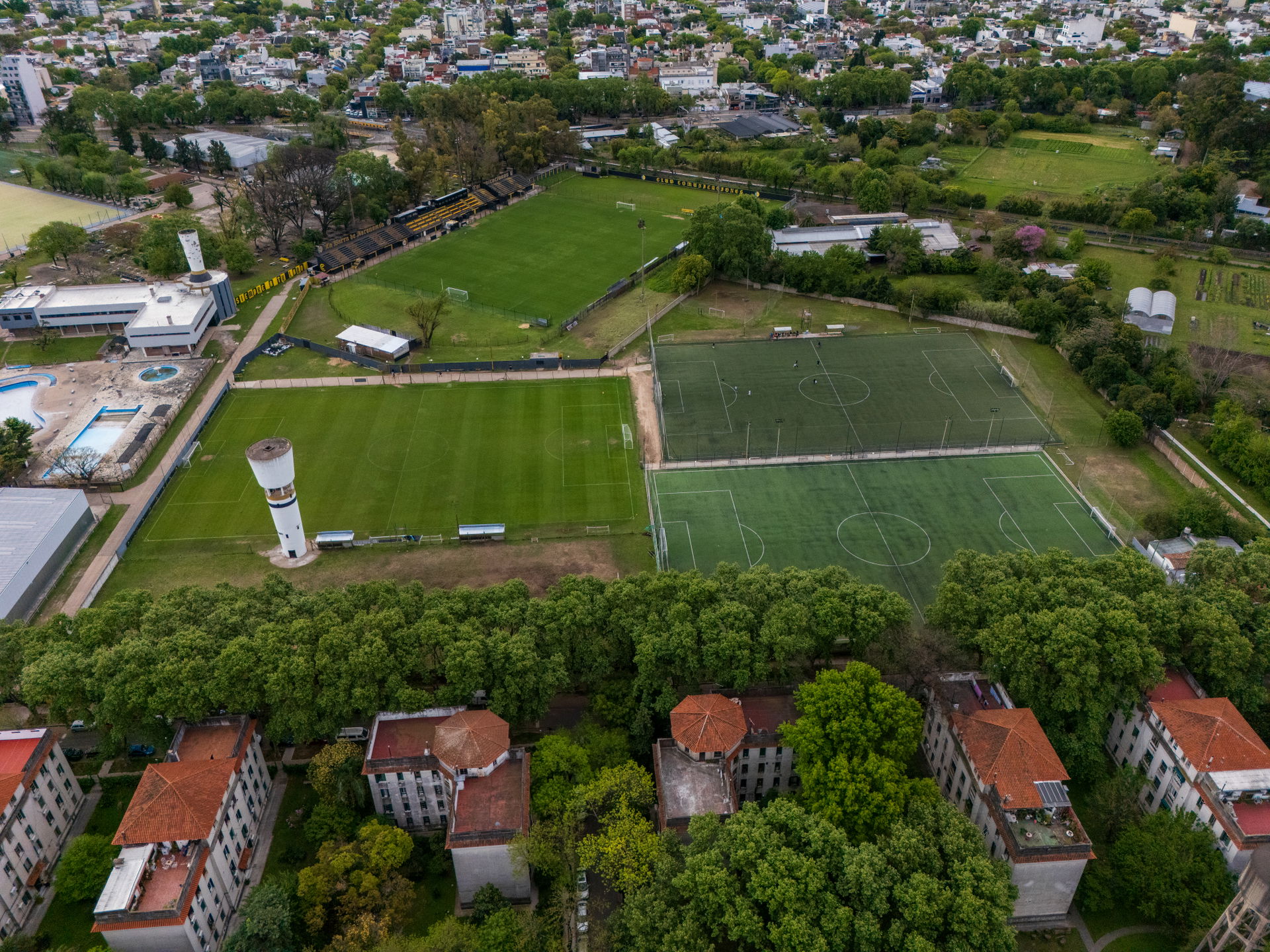
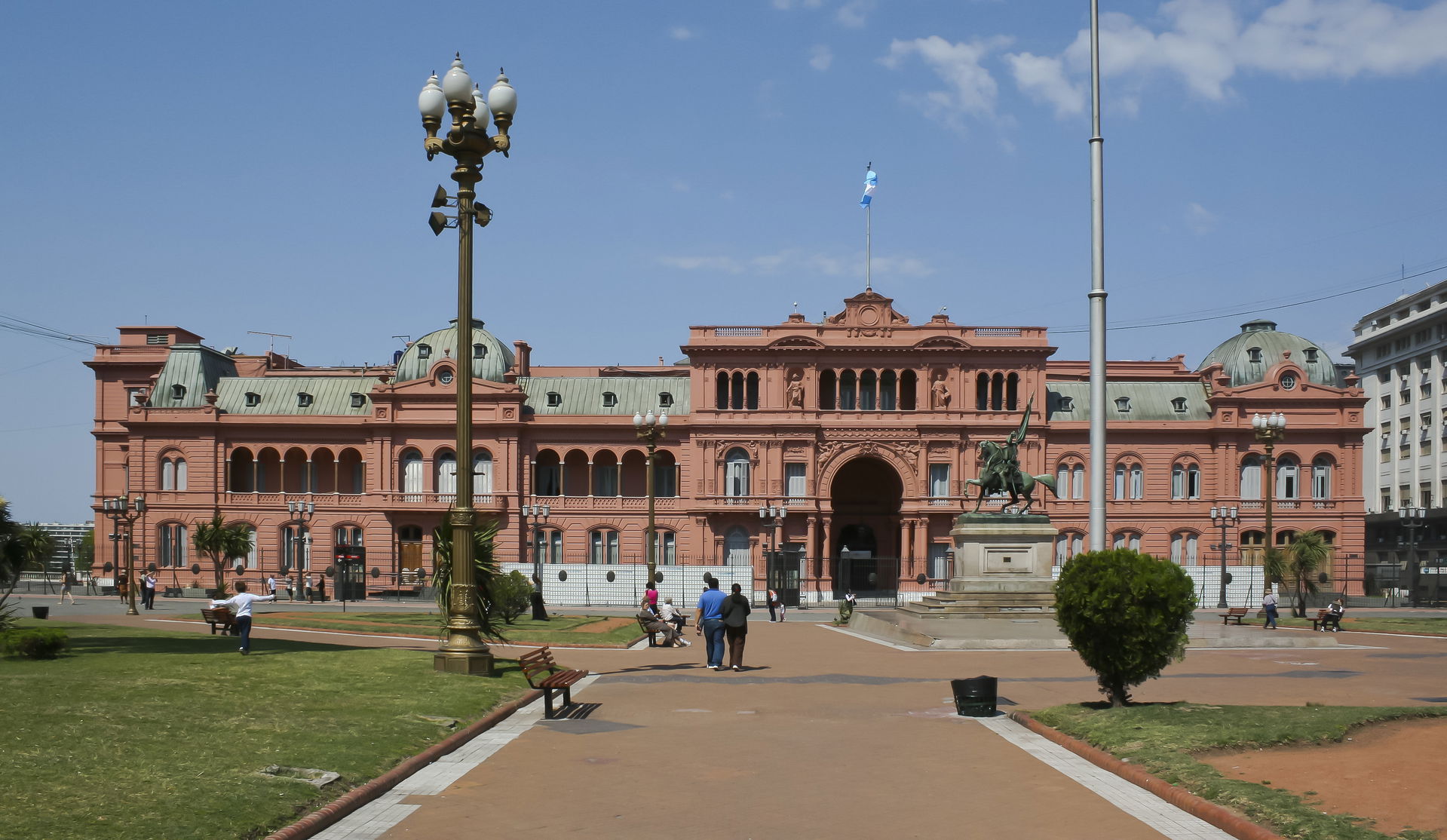
A large public teaching hospital in Buenos Aires. It offers a wide range of specialties and handles complex cases. Care is free for everyone, including expats, but wait times can be long, and English-speaking staff may be limited.
A highly-regarded private hospital with over 150 years of history, accredited by Joint Commission International. It offers high-complexity medical care, modern technology, and a bilingual team dedicated to international patients, assisting with appointments and logistics. Specialties include oncology, surgery, and cardiology.
A non-profit private hospital founded by the British community, known for its international standards and English-speaking staff. It provides comprehensive care, including general medicine, oncology, orthopedics, and 24/7 emergency services.
Vaccinations
01Public vs Private Healthcare
Argentina operates a three-tier healthcare system: the public sector, the social security sector (obras sociales), and the private sector (medicina prepaga).
Public Sector: This system is constitutionally guaranteed and provides free medical care to everyone on Argentine soil, including citizens, residents, and tourists, at the point of care. Public hospitals, especially major teaching hospitals in Buenos Aires like Hospital de Clínicas, are well-regarded for handling complex cases. However, public facilities can be crowded, leading to long wait times for non-emergency care, and English-speaking staff are less common.
Social Security Sector (Obras Sociales): This is a semi-public health insurance scheme funded by mandatory payroll contributions for formally employed individuals.
Private Sector (Medicina Prepaga): Most expats opt for private healthcare due to faster service, modern facilities, and a higher likelihood of English-speaking doctors. Private health insurance plans, known as 'prepagas,' offer access to a network of private doctors, clinics, and hospitals.
Tip for newcomers For routine care and emergencies where language and speed are critical, the private system is generally recommended for expats. Consider establishing a relationship with a private hospital or clinic before an emergency arises. While public emergency care is available to all, non-emergency public care for temporary residents and tourists may require proof of valid health insurance or advance payment since July 2025.
02Health Insurance for Expats
As of July 1, 2025, all foreign visitors, including tourists, temporary workers, and international students, are required to present valid health insurance or medical assistance coverage for the entire duration of their stay to be allowed entry into Argentina. This applies regardless of the means of entry, and airlines may require confirmation at check-in. For residency applicants, proof of health coverage has been mandatory since May 2025.
For long-term expats, private health insurance (medicina prepaga) is the most common choice. Leading local prepaga providers include OSDE, Swiss Medical, and Galeno. These plans offer access to top-tier private facilities and specialists. Many people also route their 'obra social' contributions to a 'prepaga' to enhance their coverage.
Typical monthly premiums for a mid-tier prepaga plan (e.g., OSDE 210 or Swiss Medical SMG20) for a couple aged 30-40 ranged from USD 95 to 150 in mid-2026. Premium plans (e.g., OSDE 410 or Swiss Medical SMG50) could reach USD 175 to 220 for the same demographic. Premiums increase significantly with age, especially after 60. International private medical insurance (IPMI) is also an option, offering global portability and protection from local economic volatility.
Mandatory coverage for entry must include medical and hospital care, coverage for accidents or illnesses, medical evacuation, and repatriation for the entire stay. While no official minimum dollar amounts have been published, many experts recommend at least $25,000 per person in emergency medical coverage.
03Registering with a Doctor (GP)
In Argentina, general practitioners often operate from hospitals or clinics rather than separate GP offices. For expats utilizing the private healthcare system, the process typically involves selecting a 'prepaga' (private health insurance plan) first. Once enrolled, you will receive a 'cartilla' (directory) of doctors, clinics, and hospitals within your network. You can then contact specialists directly to schedule appointments; referrals are not always necessary in the private system.
For those relying on the public system, emergency care is provided without prior registration. However, for continuity of care as a permanent resident, having a fixed address in Argentina is recommended.
Key documents To enroll in a private healthcare plan (prepaga), you will typically need to present your passport, proof of a local address, and a payment method. For some comprehensive plans, especially if formally employed, a CUIL (Unique Labor Identification Code) may be required, though many plans accept a passport for individual enrollment for foreigners.
04Pharmacies and Prescriptions
Argentina has a well-established network of pharmacies, locally known as 'farmacias,' with many operating 24 hours, especially in major cities like Buenos Aires (e.g., Farmacity chain). Pharmacies are generally well-stocked, and many common medications, including some antibiotics and birth control pills, can be purchased over-the-counter without a prescription.
Since January 2025, electronic prescriptions have been compulsory throughout Argentina under Decree 345/2024. All prescriptions must now be generated exclusively through platforms registered with the National Registry of Digital Health Platforms (ReNaPDiS). While handwritten paper prescriptions are still available in exceptional circumstances, expats should expect to receive digital prescriptions.
Regarding foreign prescriptions, Argentine pharmacists will often honor them for uncomplicated medications. However, for psychotropic or controlled substances, a local prescription may be required. It's advisable to carry a written list of your regular medications, including their generic names, as brand names can differ. If you need a prescription for a specific medication, online telemedicine services can provide a digital prescription from a licensed Argentine doctor.
05Mental Health and Specialist Care
Accessing mental health services in Buenos Aires is generally straightforward, especially within the private healthcare system. Many private health insurance plans ('prepagas') include coverage for mental health consultations, including therapy and psychiatry.
For specialist care, the private system typically allows direct access without a GP referral, offering greater flexibility. Top private hospitals in Buenos Aires, such as Hospital Alemán, Hospital Británico, and Hospital Italiano, have a wide range of specialists. English-speaking specialists are common in these networks, particularly among younger physicians.
If you are seeking English-speaking therapists or specialists, private clinics and international hospitals are your best bet. Many medical professionals in Buenos Aires, especially those catering to international patients, have received training abroad and are proficient in English. Online telemedicine platforms also offer consultations with English-speaking doctors, which can be a convenient first step for mental health support or specialist referrals.


Traditional Banks
One of the major private banks in Argentina, often cited as foreigner-friendly, especially once you have a DNI. They offer checking and savings accounts, though monthly maintenance fees can vary. Services include online banking and an extensive ATM network. Requires DNI, proof of address, and proof of income for full account access.
As a global bank, HSBC Argentina offers comprehensive services including personal and corporate banking, wealth management, and international trade solutions. It's a strong choice for clients needing cross-border transactions and is known for its digital banking innovations.
Digital Banks
A popular digital bank in Argentina, known for its fast and easy account opening process (around 24 hours) once you have a DNI. It offers free peso and dollar accounts, free transfers, and a Visa debit card delivered by mail. The app is user-friendly and provides a fully functional banking experience.
Transfer Services
Offers low-fee international transfers and a multi-currency account, widely used by expats for its competitive exchange rates (often the real interbank rate) and transparent fees. Using a Wise card for payments can be one of the cheapest ways to transact in Argentina.
A reliable option for sending and receiving cash internationally, particularly useful for cash pickups in Argentina. Transfers can be initiated from a home bank account, debit, or credit card. Daily limits apply (e.g., up to US$7,500 per day for sending/receiving). Requires passport or DNI for transactions.
01Opening a Bank Account as a Foreigner
Opening a bank account in Buenos Aires as a foreigner largely depends on whether you have a DNI (Documento Nacional de Identidad), Argentina's national ID card. Without a DNI, your options are more limited, but not impossible. Public banks like Banco Nación are mandated to offer a 'cuenta para migrantes' (immigrant account) which can be opened with a passport, a CUIL (Unique Labor Identification Code) or CDI (Foreigner Identification Code), and proof of address.
For those with a DNI, the process becomes significantly smoother, opening doors to both traditional and digital banks. Digital banks like Brubank offer a quick sign-up process, often within 24 hours, by scanning your DNI and taking a selfie. Traditional banks like Santander Río and HSBC are also accessible with a DNI, though they may require an in-person visit and can take about a week to process.
Must-have documents To open a bank account as a foreigner in Argentina, you will generally need: * Valid Passport: Your primary identification document. * Proof of Address: A utility bill in your name, a bank statement, or a 'certificado de domicilio' obtained from a police station or civil registry. * CUIL or CDI Number: This is your Argentine tax identification number. You can obtain a CUIL at ANSES (National Social Security Administration). * Visa Documentation: If you are on a temporary residency visa (e.g., 'precaria'), bring copies of these documents. * Proof of Income: Some banks may request pay stubs ('recibos de sueldo') or a 'monotributo' certificate if you are self-employed. * IRS Form W-9 (for US citizens): Bring a copy in Spanish to expedite the process at some banks.
While some banks may require an initial minimum deposit, many basic savings accounts do not. It's advisable to inquire about any minimum balance requirements or monthly fees.
02International Money Transfers
Transferring money to and from Buenos Aires can be done through various channels, each with different fees and exchange rates. Traditional banks typically charge higher fees for international SWIFT transfers, and these transactions can take 5 to 10 business days to clear.
Fintech alternatives like Wise (formerly TransferWise) are highly recommended for their lower fees and more favorable exchange rates, often providing the real interbank rate. These services allow you to send money internationally with greater transparency and efficiency. For cash pickups, Western Union is a reliable option, allowing you to send money from your home country and collect it in pesos locally, though daily limits apply.
Save on transfer fees To minimize transfer costs, prioritize using fintech services like Wise for international transfers, as they generally offer better rates than traditional banks. For daily spending, utilize a fee-free debit card (like a Wise card) for purchases, as the 'blue dollar' gap has largely converged, making card payments at the MEP rate competitive with cash. Avoid ATM withdrawals whenever possible due to high fixed fees (around $5-11 USD per transaction) and low withdrawal limits.
03Credit Cards and Building Credit History
Obtaining a traditional credit card in Argentina as a newcomer can be challenging, as it primarily requires legal residency with a DNI, a CUIL/CUIT (tax ID), verifiable proof of stable income (e.g., 'recibos de sueldo' for formal employment or 'monotributo' registration for freelancers), and an assessment of your local credit history (Veraz).
For those without an established credit history or formal employment, fintech companies offer more accessible alternatives. Mercado Pago and Ualá, for instance, provide prepaid Mastercards that function similarly to credit cards for online and in-store purchases. These are significantly easier to obtain, often requiring only a DNI and an Argentine phone number, with applications completed through their mobile apps. Using these prepaid cards responsibly can help you begin building a financial footprint.
Building credit history in Argentina involves demonstrating responsible financial behavior. Starting with a basic savings account and consistently using its associated debit card for daily purchases helps establish activity with a bank. Some major supermarkets (like Coto or Carrefour) also offer their own store credit cards, which can be easier to acquire and contribute to building credit. It's crucial to be aware that interest rates on credit cards in Argentina can be extremely high due to inflation, so always aim to pay your balance in full each month to avoid accumulating significant debt.
04Tax Reporting and Financial Compliance
Argentina has implemented international standards for financial transparency, including the Common Reporting Standard (CRS) and an Intergovernmental Agreement (IGA) with the United States to facilitate the Foreign Account Tax Compliance Act (FATCA).
Under CRS, Argentine financial institutions are required to report financial information of non-residents to their respective tax authorities in CRS-participating countries. Conversely, Argentine residents with offshore accounts in CRS-participating countries will have their information reported to Argentina's tax authority (AFIP). The FATCA agreement, signed in December 2022 and with the first automatic exchange of information scheduled for September 2024 (covering 2023 data), mandates reciprocal exchange of financial account information between Argentina and the US for both individuals and corporate entities.
This means that information on deposit accounts, custody accounts, and investment accounts held by US residents in Argentina, and by Argentine residents in the US, will be automatically exchanged. Non-compliance with these reporting requirements can lead to significant tax and criminal penalties in both Argentina and the US.
Consult a tax advisor Given the complexities of international tax reporting and the implications of FATCA and CRS, it is highly advisable to consult with a qualified tax advisor in Argentina. This is especially important if you are a US citizen, have significant foreign assets, or are unsure about your reporting obligations to ensure full compliance and avoid potential penalties.
05Cash, ATMs, and Daily Payments
Buenos Aires has a dynamic payment landscape. While cash remains prevalent, especially for smaller transactions and in informal settings, digital payments, particularly QR codes, have become dominant.
Cash Culture: Cash is still necessary for small kiosks, markets, informal services, and peer-to-peer transactions. Many businesses, especially smaller ones, may offer discounts (10-30%) for cash payments. When exchanging foreign currency, it's best to bring crisp, undamaged US dollars or Euros (denominations of $50 and $100 often receive the best rates) and use reputable 'casas de cambio' (exchange houses) rather than unofficial street vendors.
ATMs: ATMs are available but should be used as a last resort. They typically impose high transaction fees (around $5-11 USD) and very low withdrawal limits (often the equivalent of $100-200 per transaction, with a maximum of about two per day). The 'blue dollar' gap, which historically made ATMs unfavorable, has largely converged with official rates as of 2025/2026, but the poor ATM economics (high fees, low limits) persist.
Digital and Card Payments: Credit and debit cards are widely accepted in major establishments, upscale restaurants, and tourist areas like Palermo, Recoleta, and Microcentro. Foreign card transactions are often processed at the MEP (Mercado Electrónico de Pagos) rate, which is now very close to the parallel market rate, making them a convenient and competitive option. However, some merchants may add surcharges or refuse foreign cards.
QR payments are ubiquitous and are the number one way locals pay for goods and services, from restaurants and cafes to taxis and supermarkets. For public transportation, the SUBE card is essential and can be loaded with funds for buses and subways.
Tipping Norms: Tipping is customary in Argentina. In restaurants, a tip of 10% of the bill is standard if service was good. For other services like taxi drivers or hairdressers, rounding up the fare or a small amount is appreciated.

Schools
Known as the American school of Buenos Aires, it offers a curriculum combining American, Argentine, and IB programmes (AP courses and IB Diploma in upper years). It serves a diverse expat community. Annual tuition for primary can be USD 20,000–27,000 and secondary/IBDP USD 24,000–32,000+. Waiting lists are common, and it's advisable to apply at least one year in advance.
This institution delivers an integrated curriculum that includes the Cambridge IGCSE and the IB Diploma. It is often considered a premium school with strong IGCSE or IB programmes. St George's College also has a campus in Quilmes, which offers boarding. Fees for full programs can be at the premium end, with primary often USD 20,000–27,000 and secondary/IBDP USD 24,000–32,000+.
A bi-cultural and bilingual institution offering courses from kindergarten through to preparation for qualifications including GCSEs and the French Baccalauréat, alongside the Argentine curriculum. It is located within CABA. Fees are not publicly disclosed.
A coeducational, bilingual IB World School (IB-authorized since November 2025) that combines the Argentine national curriculum with the IB Diploma Program. It is considered a mid-tier international school, with primary fees often USD 11,000–16,000 and secondary/IBDP USD 16,000–21,000. The school is located within CABA.
Public schools are free at all levels for all residents, including foreign nationals. Instruction is entirely in Spanish, and there is typically no dedicated Spanish-as-a-second-language support for expat children. Enrollment is generally based on proximity to the school address, and while every child has a right to a place, popular schools in desirable neighborhoods can be oversubscribed. Foreign minors can be provisionally enrolled even without an Argentine DNI, accepting foreign passports or birth certificates as identity proof.
Enrollment Checklist
- Valid passport and visa/residency permit for the child and parents/legal guardians.
- Birth certificate (apostilled if required, especially for private schools; for CABA state schools, an apostille is not required and translation is only requested when needed).
- Previous school records, transcripts, and pedagogical reports from the last two to three years (ideally translated into Spanish or English; certified Spanish translations by a 'traductor público matriculado' are generally required by private schools).
- Proof of address in Buenos Aires (e.g., rental agreement or utility bill).
- Vaccination records (aligned with Argentina's national schedule).
- Completed school application form (obtained directly from the school).
- Language assessment (if applicable, particularly for older students entering international schools).
- Argentine National ID (DNI) or identity document from country of origin (for university admission).
- Proof of completion of the last year studied or transfer certificate (for primary/secondary).
- Letter of motivation and Curriculum Vitae (for university admission).
Universities
UBA is one of Latin America's largest and most prestigious universities, offering free undergraduate tuition for all residents, including international students. While there are no entrance exams for most programs, international students typically need to complete the 'Ciclo Básico Común' (CBC), a year-long preparatory program, before beginning a degree. Spanish proficiency at a C1 level is required for students whose secondary diploma was issued in a non-Spanish-speaking country. International students must pay a single 'Administrative Fee' per term and are required to have medical insurance.
Located in a tree-lined neighborhood, the University of Belgrano offers various academic programs, including an Argentine and Latin American Studies Program and an Intensive Spanish Language Program. Some elective courses are taught in English, particularly for international students. The university hosts a significant number of international students. Housing with Argentine families is often included in study abroad programs.
Ranked as a top private university in Argentina, UTDT focuses on Social Sciences, Business, Law, Architecture, and Design. It offers programs where students can select classes taught in English, or integrate into Spanish-taught classes if they have sufficient Spanish proficiency. The university provides opportunities for internships with the city government of Buenos Aires for students with advanced Spanish skills.
01Choosing Between International and Local Schools
Buenos Aires offers a spectrum of educational choices, from free public schools to expensive international institutions. The decision often hinges on your family's long-term plans and language preferences.
International schools, many with British, American, IB, German, or French curricula, provide English-medium or bilingual instruction, making the transition smoother for expat children. They often have diverse student bodies and prepare students for internationally recognized qualifications, facilitating future moves. However, annual fees can be substantial, ranging from ARS 3,000,000 to ARS 8,000,000 or more (USD 4,000 to USD 28,000+).
Local private schools, while adhering to the Argentine national curriculum, often offer bilingual programs (typically Spanish and English) at a lower cost than full international schools. They can provide a good balance of local immersion and English language development.
Public schools are free for all residents, including foreigners, and offer full immersion in Spanish. While they are an excellent option for deep cultural and linguistic integration, they do not typically offer dedicated language support for non-Spanish speakers. Younger children tend to adapt well within a year or two, but older children may require private tutoring to keep up.
Think long-term Your length of stay in Buenos Aires should heavily influence your school choice. For short assignments (1-3 years), an international school might offer the most continuity and ease of transition. For longer stays, or if you envision your children attending university in Argentina or a Spanish-speaking country, a bilingual or local public school could provide invaluable language immersion and cultural integration.
02Enrollment Process for Foreign Children
The enrollment process in Buenos Aires varies between public and private/international schools, but starting early is always recommended. The academic year in Argentina runs from March to December, with a long summer break in January and February.
For international and private schools, the ideal admissions window opens six to twelve months before the desired start date, typically from August to October for a March start. These schools manage their own admissions, which may include application fees, interviews, and academic assessments.
For CABA state schools, the main pre-enrollment window closes in early November, with an exception window in late January to early February for remaining vacancies. Enrollment is generally based on proximity to the school address.
Required documents often include a valid passport, birth certificate (apostilled if required), previous school records (translated and legalized), vaccination records, and proof of address. For CABA state schools, an apostille is not required for birth certificates, and translations are only requested when needed. However, private schools generally require certified Spanish translations by a 'traductor público matriculado' with the signature legalized at the Colegio de Traductores Públicos de la Ciudad de Buenos Aires.
Enrollment timeline The key enrollment period for the academic year (March to December) is typically from August to December of the preceding year for international and private schools, and October to early February for public schools. Contact schools directly for specific deadlines and to inquire about waiting lists, which are common for popular institutions.
03Language Support and Tutoring
While public schools in Buenos Aires are open to all resident children regardless of language background, they do not typically provide structured Spanish-as-a-second-language (SSL) tuition. Children are immersed in a Spanish-speaking environment from day one. Younger children often adapt well within a year or two, but older children, especially those entering secondary school, may require significant external language support to keep up with the curriculum.
Buenos Aires has a robust market for private tutoring. Many expat families opt for private Spanish lessons for their children, either before school entry or alongside their studies, to accelerate language acquisition. Tutors can be found through expat networks, online platforms, or local language institutes. The cost for private tutoring can vary widely depending on the tutor's experience and qualifications, but expect to pay anywhere from ARS 10,000 to ARS 30,000+ per hour, subject to economic fluctuations.
Online resources and language apps can also supplement formal learning, providing flexible and accessible options for children to practice Spanish at their own pace. Many international and bilingual schools, however, integrate strong Spanish language development into their curriculum, reducing the need for extensive external tutoring for their students.
04University Admissions for Foreign Students
Admission to Argentine universities, particularly public ones, is generally accessible, but requires careful attention to documentation and language proficiency. Most universities in Argentina do not require entrance exams.
For the University of Buenos Aires (UBA), while undergraduate tuition is free, international students must complete the 'Ciclo Básico Común' (CBC), a year-long general education program, before starting their degree. A C1 level of Spanish proficiency is required for students whose secondary diploma was issued in a non-Spanish-speaking country. Required documents typically include a translated and legalized high school diploma, passport, and proof of Spanish proficiency.
Private universities like Universidad de Belgrano and Universidad Torcuato Di Tella may offer English-taught programs or specific tracks for international students. Their admission requirements will vary, often including academic transcripts, a valid passport, and sometimes a statement of purpose.
Required Documents for University Admission:
- Passport with entry stamp.
- Translated and legalized high school diploma (secondary level studies certificate).
- Academic transcripts/history of courses.
- Proof of Spanish proficiency (e.g., DELE or university-specific tests), if the program is taught in Spanish.
- Letter of motivation and Curriculum Vitae.
- Proof of funds (e.g., bank statements showing approximately USD 5,000 for living expenses for student visa).
- Health insurance coverage for Argentina.
- Police certificate (required for programs over six months, often needing a Hague Apostille for US students).
Scholarship options for international students are available, often based on academic merit. For example, Mente Argentina Scholarships are awarded based on GPA.
Language proficiency For most public university programs and many private ones, strong Spanish language proficiency (often C1 level for UBA) is a critical requirement. Plan to take official language exams like DELE or university-specific assessments well in advance.
05Childcare and Pre-School Options
Early childhood education in Argentina is divided into 'Jardín Maternal' (nursery, for children from 45 days to 2 years) and 'Jardín de Infantes' (kindergarten, for children aged 3 to 5). The final year of preschool (age 4 or 5, depending on the province) is compulsory, but earlier attendance is voluntary.
Both public and private 'jardines' exist. Public nurseries are free but often have waiting lists and can be oversubscribed in popular areas. Private nurseries and kindergartens are more common in urban areas like Buenos Aires and offer varying quality and programs, including bilingual options.
Enrollment rules for foreigners are generally straightforward, with public institutions accepting all resident children. However, securing a place, especially in popular private institutions, can involve waiting lists. It is strongly advised to start your search and application process early, as many places close their books long before the academic year begins in March.
Typical costs for private childcare vary significantly. While specific figures for 2026 are subject to economic conditions, private school tuition (which can include pre-school) can range from USD 500 to USD 2000 per month. Some international schools also offer early years programs, with annual tuition starting from USD 4,500–9,500. Always confirm current rates directly with the provider. Many private kindergartens operate in two shifts (morning/afternoon), with full-day care sometimes available for additional fees.
Think ahead for pre-school For popular private 'jardines' or international school early years programs, waiting lists are a reality. Begin your inquiries and applications well in advance of your desired start date to secure a spot.
Community Groups
InterNations is a large global network for expats, with over 27,000 members in Buenos Aires from 186 countries. They host monthly official events and offer over 1,400 interest-based groups, covering hobbies from sailing to spirituality. Newcomers' Events are specifically organized for those new to the community. Membership is required to join activities.
Mundo Lingo is a classic free language exchange meetup that takes place several times a week at different bars across the city. Participants wear flag stickers to indicate the languages they speak, making it easy to find conversation partners. It's open to all ages and levels, attracting a good mix of locals and foreigners for social interaction and language practice.
This is one of the largest and most popular expat events, meeting every Thursday from 8 p.m. to 1 a.m. at various bar locations. It's a key hub for digital nomads and other expats to mingle, drink, and dance, drawing a younger, primarily foreign crowd. Associated WhatsApp groups are also a valuable resource for questions and plans.
Sports & Hobbies
Known as 'a drinking club with a running problem,' the Buenos Aires Hash House Harriers organize non-competitive social runs, typically every two weeks on a Sunday. They welcome foreigners and are a great way to explore the city and its surroundings while socializing. Specific dates and locations are advertised on their website.
BA Cup is an international soccer tournament held in Buenos Aires, offering opportunities for players of various age groups (youth, female, master) to compete and socialize. It's considered highly international and provides an excellent chance to meet people from around the world who share a passion for soccer. The tournament runs in December 2025 / July 2026 and includes additional activities like coaching clinics and cultural events.
Help & Resources
ExpatsBA is an active online forum where expatriates in Buenos Aires share insights, seek advice, and connect on various challenges and triumphs of expat living. Topics cover everything from real estate and local service providers to news, travel, and a dedicated 'Newcomers Forum' for introductions and questions.
While primarily for students, Study Buenos Aires offers a 'Welcome Kit' and operates a Tourist Assistance Center at the Buenos Aires Museum (Defensa 187). They provide information and assistance for newcomers, including help with public bicycle system registration (EcoBici). The center is open Mondays, Wednesdays, Thursdays, and Fridays from 11:30 am to 5:00 pm, and weekends from 11:30 am to 7:00 pm.
Major countries maintain embassies and consulates in Buenos Aires, offering standard consular services to their citizens, including passport services, emergency assistance, and registration for citizens abroad. It is advisable to register with your country's embassy upon arrival for welfare assistance and important updates.
01Finding Your Expat Tribe
Buenos Aires boasts a thriving expat community, making it relatively easy to build a social life. Platforms like Meetup and InterNations are indispensable for finding groups and events tailored to various interests. Meetup hosts numerous expat-specific groups such as 'Expats Buenos Aires' and 'BA International Community,' which organize regular social gatherings, language exchanges, and cultural activities. InterNations offers a more structured network with official monthly events and interest-based groups, providing a great way to meet like-minded individuals.
A typical first-year social timeline often starts with attending larger, more frequent events like Mundo Lingo or BA Digital Nomads to cast a wide net and meet many people quickly. As you settle, you might gravitate towards smaller, more niche groups aligned with your hobbies or professional interests. Many expats report feeling settled within a few months to a year, especially if they actively engage with the community and embrace local life.
Start before you arrive Join online expat groups on Facebook or InterNations before moving to Buenos Aires. This allows you to introduce yourself, ask questions, and even connect with people for a coffee or drink shortly after you land, helping you hit the ground running socially.
02Mixing with Locals
Making local friends in Buenos Aires is very rewarding, though it can take a bit more effort than connecting with fellow expats. Cultural barriers, while present, are often overcome by the welcoming nature of Argentines. Language is undoubtedly the biggest bridge; even a basic understanding of Spanish will significantly enhance your interactions and open doors to deeper connections. Consider joining language exchange groups like Mundo Lingo, Mate Club, or Spanglish Exchange, which naturally attract both locals and foreigners.
Clubs and activities that attract mixed crowds include sports groups, cultural workshops (like tango classes), and volunteer organizations. Engaging in local hobbies, attending milongas (tango dance halls), or participating in community events can lead to genuine friendships. Be open to invitations, and don't be afraid to initiate conversations – Argentines appreciate the effort.
03Family and Parent Networks
For expat families in Buenos Aires, building a support network is crucial. While specific 'NCT' equivalents might not be widely advertised in English, the vibrant expat community and international schools serve as key hubs for parent connections. International schools in Buenos Aires, many of which are English-speaking or bilingual, naturally foster a strong school-gate community where parents can meet and organize playdates and social events.
Online forums like ExpatsBA may have sections or discussions relevant to families, and general expat social groups often include parents who connect outside of the main events. Creating bilingual playdates with local families can also be a wonderful way to integrate and provide language exposure for children.
Parent groups While formal expat parent groups are less explicitly advertised, the International Schools in Buenos Aires (e.g., Buenos Aires International Christian Academy) are excellent starting points for connecting with other expat families. Additionally, the broader InterNations Buenos Aires community and ExpatsBA forum often facilitate connections among parents through their general social events and discussion boards.
04Volunteering and Giving Back
Buenos Aires offers numerous volunteering opportunities for expats looking to give back to the community. Many NGOs and charities welcome foreign volunteers, providing a meaningful way to connect with locals and understand the city's social fabric.
Opportunities include childcare assistance, healthcare support, teaching English, community development, and environmental conservation. Organizations like International Volunteer HQ (IVHQ), Road2Argentina, Mente Argentina, and World Endeavors offer structured programs. To start, research organizations online, check their specific project requirements, and contact them directly. While some roles might require basic Spanish, many organizations working with international volunteers are accustomed to English speakers, especially for teaching or administrative support.
Language requirements While some volunteer roles may benefit from Spanish proficiency, many organizations, particularly those focused on teaching English or with international teams, welcome English-speaking volunteers. Don't let a lack of fluent Spanish deter you from exploring opportunities.
05Online Resources and Apps
Navigating Buenos Aires is made easier with a suite of essential apps and online resources. For transportation, BA Cómo Llego and Moovit are crucial for public transport routes, while Uber and Cabify are popular ride-hailing options. For payments, Mercado Pago is widely used for cashless transactions, and Prex or Western Union are recommended for favorable exchange rates.
Communication is dominated by WhatsApp, used universally for personal and professional interactions. For language learning and translation, Google Translate (with camera mode) and Duolingo are invaluable. Food and grocery delivery are handled by PedidosYa and Rappi.
Local community platforms include the ExpatsBA forum and various Facebook groups (e.g., 'Buenos Aires Expat Hub'). Many expat groups also utilize WhatsApp groups for real-time communication and event coordination. While a dedicated city-specific subreddit for expats isn't as prominent, these other platforms provide ample online community support.