
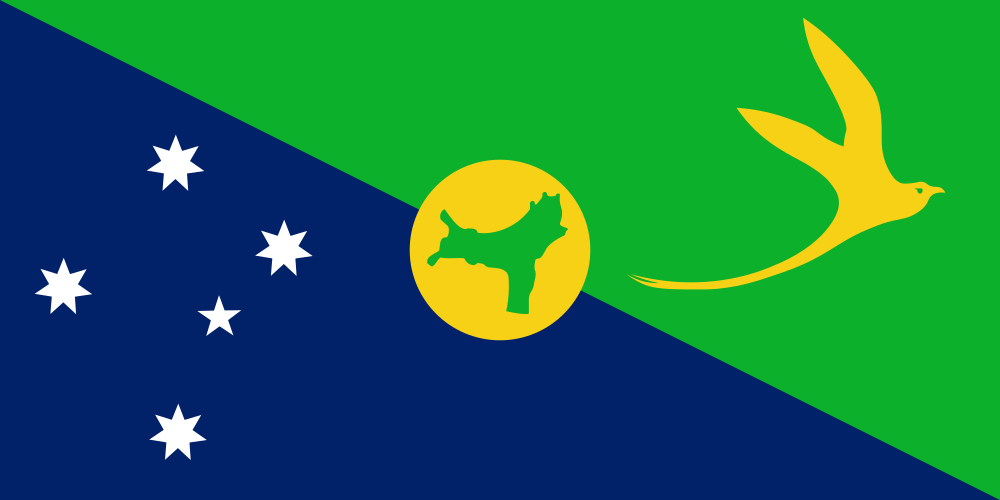
 Environment & Sustainability Guide · Christmas Island
Environment & Sustainability Guide in Christmas Island
Air quality, green spaces, and environmental policies
Air Quality Index
No specific AQI data available for Christmas Island; however, its remote location, small population, and lack of heavy industry suggest excellent air quality with stable trends. Minimal vehicle emissions and no major pollution sources contribute to clean air.
Water Quality
Water supply on Christmas Island is managed by desalination and rainwater collection, meeting Australian drinking water standards. Groundwater and surface water are monitored for contaminants, with good overall quality despite occasional salinity issues from sea level rise.
Recycling System
Recycling infrastructure is limited due to the island's remoteness; waste is managed through Australian territory programs focusing on reduction and shipping recyclables to mainland. Specific rates unavailable, but efforts include general waste diversion and phosphate mine rehabilitation.
Green Spaces
Over 90% of Christmas Island is protected within Christmas Island National Park, preserving primary rainforest, limestone caves, and endemic habitats. This extensive coverage supports unique ecosystems despite invasive species threats.
Environmental Policies
As an Australian territory, Christmas Island follows national policies including the Environment Protection and Biodiversity Conservation Act 1999. Key focuses include invasive species eradication, mine site rehabilitation, and renewable energy exploration. Participation in Paris Agreement via Australia.
- •EPBC Act 1999
- •National Park Management Plan
- •Invasive Species Strategy
Natural Disaster Risk
MODERATEPrimary risks include cyclones, landslides, and coastal erosion; tsunamis possible due to location. Government preparedness includes BoM warnings and evacuation plans.
Sustainability Initiatives
Christmas Island National Park manages invasive species like yellow crazy ants affecting 80% of forest; eradication programs restored 20% of habitat since 2010.
Phosphate mining ceased 1987; ongoing restoration plants native species on 1,000+ ha, improving forest connectivity.
Solar PV installations power park facilities; aligns with Australia's renewable targets amid diesel dependency.
Wildlife & Nature
More Insights for your Move to Christmas Island
Comprehensive guides and data-driven analysis.
Budget & Expenses
Is your lifestyle affordable? From grocery prices to utility bills, see how costs compare to your home.
Read guideEmergency Services
Emergency numbers, hospital systems, response times, and what to do in a crisis abroad.
Read guideClimate & Seasons
Understand the weather patterns, seasonal temperatures, and best travel times for expats and digital nomads.
Read guide