This content was generated using artificial intelligence based on publicly available information. It is provided for general informational purposes only and does not constitute legal, tax, immigration, or professional advice. Information may be incomplete or outdated. Always verify with official sources before making decisions.
Data Source: Safety, crime, and quality metrics are sourced from Numbeo, a crowd-sourced global database of reported data.
All scores are relative comparisons on a 0-100 scale, where 50 = global average. Higher scores mean better than average, lower scores mean worse than average.
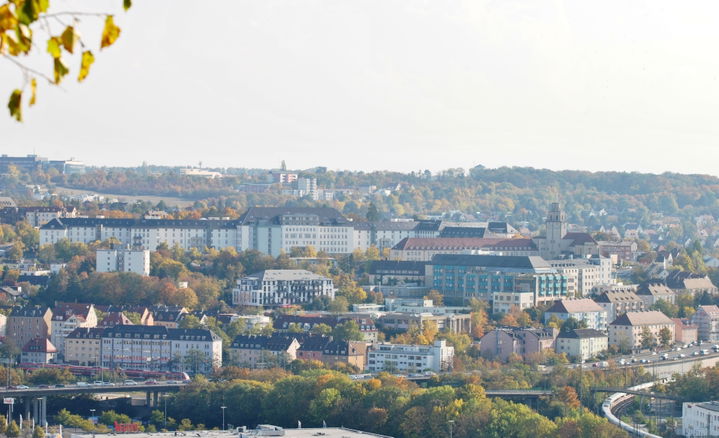
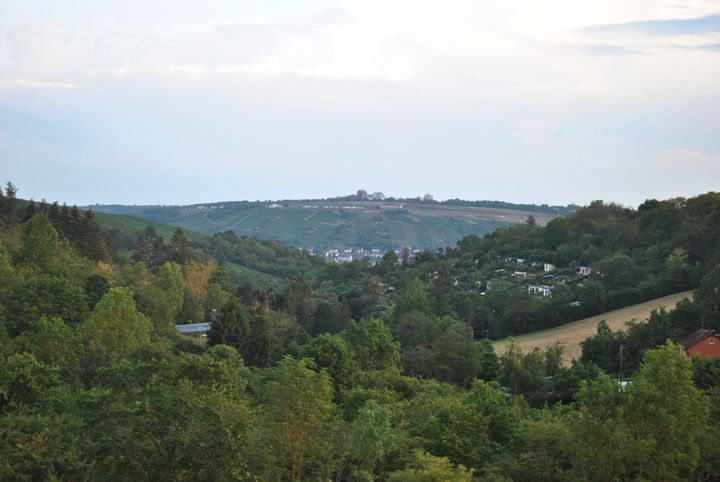
Würzburg offers a compelling blend of historic charm and modern livability for expats seeking a balanced German city experience. Nestled in Bavaria's wine region, it provides an attractive alternative to larger metropolitan centers, with reasonable living costs, excellent public transportation, and a high-quality healthcare system. While the city's job market is more specialized compared to Frankfurt or Munich, professionals in academia, research, and healthcare will find robust opportunities, particularly around the university and medical centers.
The compact urban landscape balances affordability with cultural richness, featuring well-preserved baroque architecture, accessible green spaces, and a walkable core that makes daily life convenient. However, expats should anticipate a more conservative social environment and prepare for the nuanced integration challenges typical of smaller German cities.
Würzburg has a humid continental climate (Köppen Dfb) with warm summers, cool to cold winters, and precipitation distributed through the year. The city’s climate is consistent with central Germany, with summer averages in the low 20s°C, winter averages near freezing, and humidity typically in the 70–80% range; current overcast, humid conditions are also typical for the region.
Summer Average
22°C
Winter Average
2°C
Climate Type
Humid Continental
Rainy Days
120
Sunny Days
160
Humidity
75%
Spring
March - May
8-18°C
Spring is variable, with cool mornings, mild afternoons, and frequent cloud cover. Rain showers are common as temperatures steadily rise.
Moderate rainfall
Summer
June - August
18-26°C
Summer is generally warm rather than hot, with the warmest period often reaching the low to mid-20s°C. Thunderstorms and occasional rainy spells can occur, but there are also many pleasant, sunny days.
Moderate rainfall
Autumn
September - November
7-17°C
Autumn brings a noticeable cooling trend, more overcast days, and increasing rainfall. Conditions often become damp and brisk by late October and November.
Moderate rainfall
Winter
December - February
0-5°C
Winter is cold but usually not severe, with average temperatures near freezing and periodic frost or light snow. Cloudy and humid conditions are common.
Moderate rainfall
Loading Weather...
Air Quality
Würzburg
Advantages
Würzburg
Historic UNESCO World Heritage site
Renowned Franconian wine region
Stunning baroque Residenz palace
Excellent university research hub
Charming medieval city center
Disadvantages
Würzburg
Limited job market
Expensive student housing
Slow digital infrastructure
Minimal international networking
Conservative social environment
Safety & Security in Würzburg
Overall Safety Score
Includes resilience and environmental factors
Good
78
/100
Germany Avg
55
Europe Avg
58
Worldwide Avg
57
Crime & Safety Metrics
Thermometer compares Würzburg to Germany averages using different marker styles.Compare: