



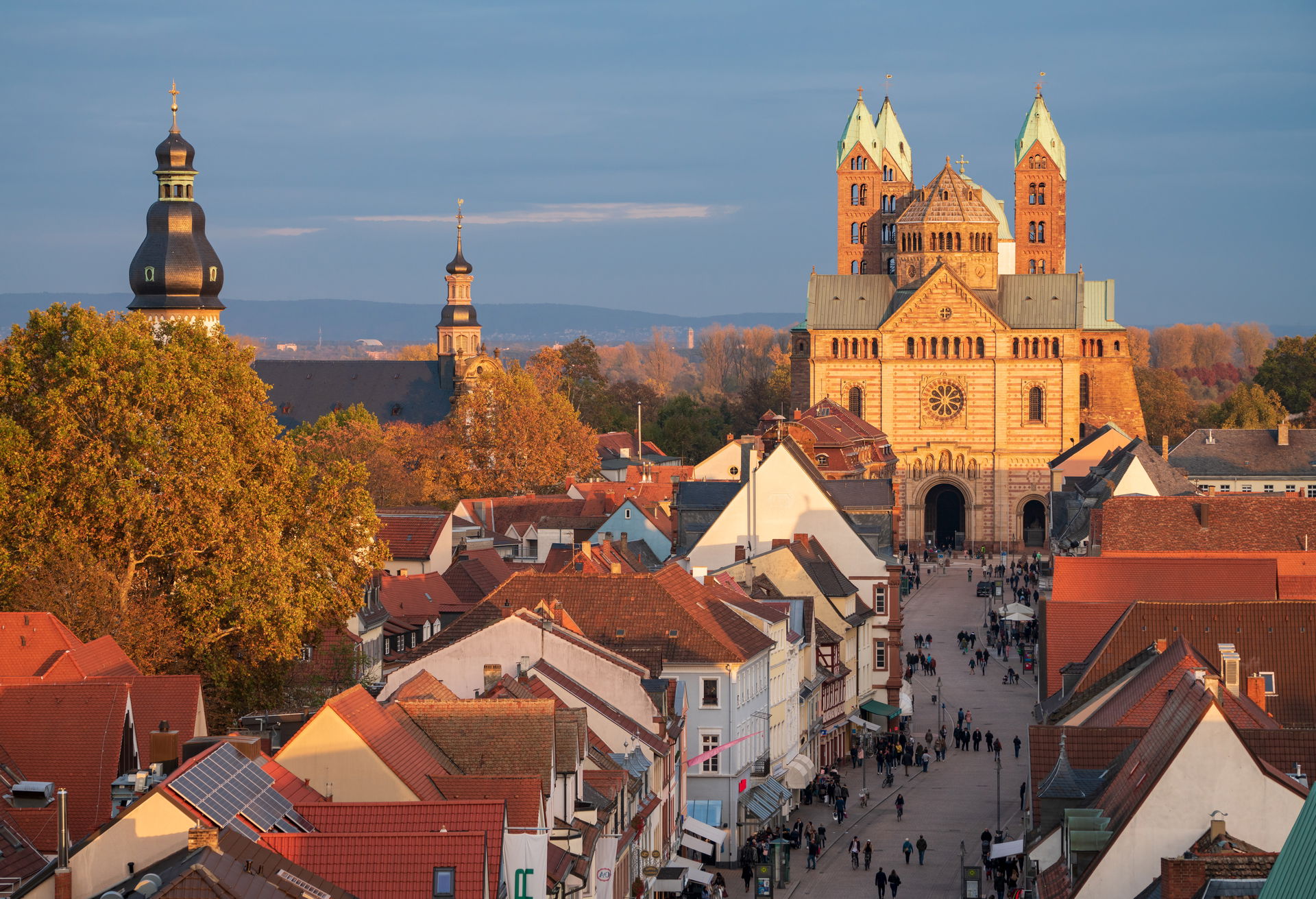


Excellent destination
Excellent destination
Quality of life index out of 100

Germany
Baltic Sea, North Sea · German
Germany
Germany delivers Europe's highest quality of life at half the cost—your purchasing power soars 50% above average with world-class stability.
What it's like to live in Germany
Germany offers a remarkably structured yet diverse living experience, characterized by its robust infrastructure, regional cultural variations, and a pragmatic approach to daily life. Stretching from the North Sea and Baltic coastal regions in the no...
Your Germany Roadmap
40+ page personal relocation analysis — visa path, tax strategy, neighbourhood guide, healthcare setup and more.
- ✓Visa & residency path
- ✓Tax optimisation
- ✓Neighbourhood guide
- ✓Healthcare & schools
- ✓Cost breakdown
Healthcare
- Health insurance is mandatory for all residents in Germany, including expats, from day one of their stay.
- Germany operates a dual healthcare system with both statutory public health insurance (GKV) and private health insurance (PKV).
- Eligibility for public or private insurance largely depends on your income, employment status, and residency type.
Germany, as part of the Schengen Area, allows citizens of approximately 60 visa-exempt countries—including the United States, United Kingdom, Canada, Australia, Japan, and others—to enter without a visa for tourism, business, or short-term visits for up to 90 days within any 180-day period. A valid passport is mandatory, requiring at least 3 months validity beyond planned departure from the Schengen Area and issuance within the last 10 years. No entry is possible without a passport for non-Schengen nationals. Starting in...
Discover Cities in Germany
View all cities in GermanyCreate your free profile to see personalized match scores.


Travel advisories, hazards, and conflict indicators
What other governments currently advise about traveling here
Cost of living, housing, income, and purchasing power overview
Regional income, unemployment, and economic structure by Kreis
City prices per m² from multiple sources, regional trend map
Income tax, corporate tax, and fiscal overview
Job market, business environment, and work permits
International schools, universities, and curricula
Pension, retirement pathways, and financial planning
Seasonal temperatures, rainfall, and sunshine hours
Country photos and landscapes
Population, languages, and ethnic composition
Day-to-day expat life and practical tips
Public transit, airports, and getting around
Residency, property ownership, and legal framework
Air quality, green spaces, and sustainability
Political system, government structure, and key policies
Location overview, cost of living index, and purchasing power
Economic and geographic overview at a glance
Community perspectives and expat experiences
Community & Discussion
Expat guides for Germany
View all articles
Finances & Cost of Living
Why Expats Are Leaving Germany in 2026: Bureaucracy, Politics, and the Housing Crunch
Germany's net migration fell 45% in 2025, and research from IAB, DeZIM, and InterNations shows a growing share of foreigners are reconsidering their stay over bureaucracy, political climate, and housing discrimination. This report breaks down the data by migrant generation and profession, and closes with a practical guide to navigating each pitfall.
· 20 min read

Health & Well-Being
A Two-Way Street: How Doctor Migration Shapes Germany's Health System
Germany's medical workforce is being reshaped by migration flowing in both directions: tens of thousands of foreign doctors now practice in the country, while thousands trained there depart each year. This article examines the numbers behind a health system increasingly dependent on international recruitment.
· 6 min read

Legal & Administration
Germany's Immigration Framework in 2026: EU Blue Card, Skilled Workers and Residence Pathways
A practical overview of Germany's 2026 immigration rules, including EU Blue Card salary thresholds, the Skilled Immigration Act, the Opportunity Card, and pathways to permanent residence and dual citizenship.
· 2 min read

Legal & Administration
New conscription rule: German men need an exit permit.
Since January 1, 2026: German men (17–45) must obtain permission from the German Armed Forces before extended stays abroad (§ 3 WPflG). Expats on nestfainder.ai are now finding out more: details, tips, and international comparison.
· 2 min read

Real Estate
The Silver Tsunami of Germany: 4.8 million baby boomer properties will flood the market from 2040 onwards.
The silver tsunami is rolling in – and it will permanently change the German real estate market. Between 2040 and 2050, around 4.8 million baby boomer homes will come onto the market. In rural regions like Saxony, Thuringia, and Brandenburg, many heirs face a financial burden instead of an inheritance. nestfainder.ai analyzes every neighborhood worldwide and shows you exactly where you should build or live.
· 6 min read

Finances & Cost of Living
Germany in 2026: An Honest Guide for Expats
Germany in 2025 presents a complex picture for prospective expats. After three years of economic stagnation (2023-2025) and significant challenges in key industries like automotive manufacturing, the country still offers compelling opportunities for skilled professionals. This guide provides an evidence-based assessment of Germany's current situation, examining economic performance, labor market dynamics, the groundbreaking 2024 immigration reforms, cost of living across major cities, and sector-specific opportunities. While Germany no longer enjoys the economic boom of the 2010s, it maintains strong social safety nets, competitive salaries for in-demand skills, and has significantly simplified immigration processes through the EU Blue Card reforms and new Opportunity Card system. The analysis identifies both challenges (housing shortages, bureaucracy, manufacturing decline) and persistent advantages (quality of life, central European location, labor protections) to help skilled workers make informed relocation decisions. Based on official data from the European Commission, OECD, and German Federal Statistical Office.
· 6 min read
Ready to stop
browsing and start moving?
Generate a personalized relocation roadmap — visa path, 3 shortlisted cities, tax & timeline.
This content was generated using artificial intelligence based on publicly available information. It is provided for general informational purposes only and does not constitute legal, tax, immigration, or professional advice. Information may be incomplete or outdated. Always verify with official sources before making decisions.
Data Source: Safety, crime, and quality metrics are sourced from Numbeo, a crowd-sourced global database of reported data.
All scores are relative comparisons on a 0-100 scale, where 50 = global average. Higher scores mean better than average, lower scores mean worse than average.
Community, cultural integration, and expat life