Újbuda is the 11th district of Budapest, Hungary. It is the most populous district of Budapest, located on the Buda side, known for landmarks such as Gellért Hill and the Liberty Statue.
Located in the northernmost part of Buda, this district includes the historic Óbuda area and the Békásmegyer neighborhood, combining residential and commercial zones.
Angyalföld is the 13th district of Budapest, situated on the Pest side, known for its residential neighborhoods and commercial zones.
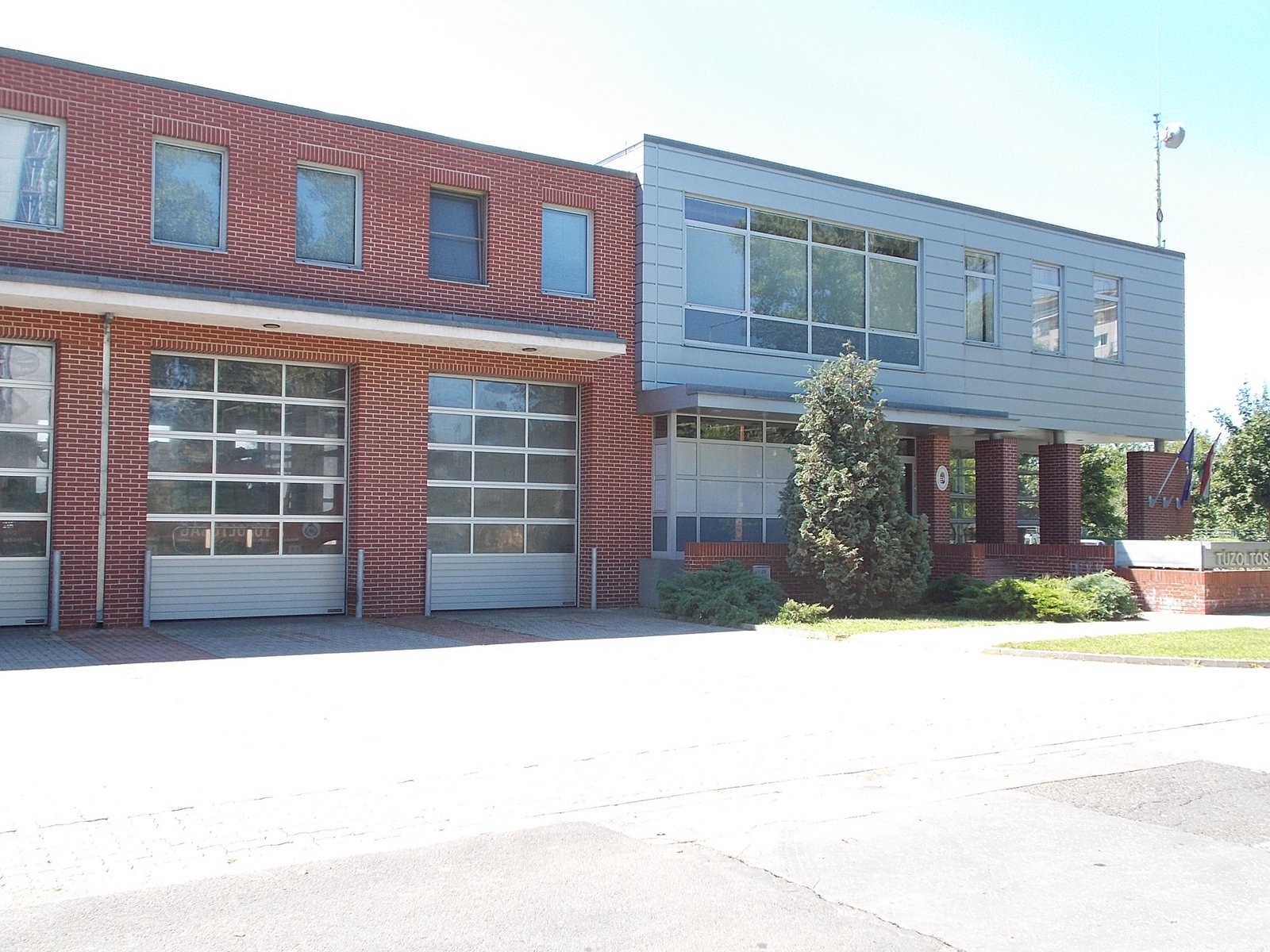
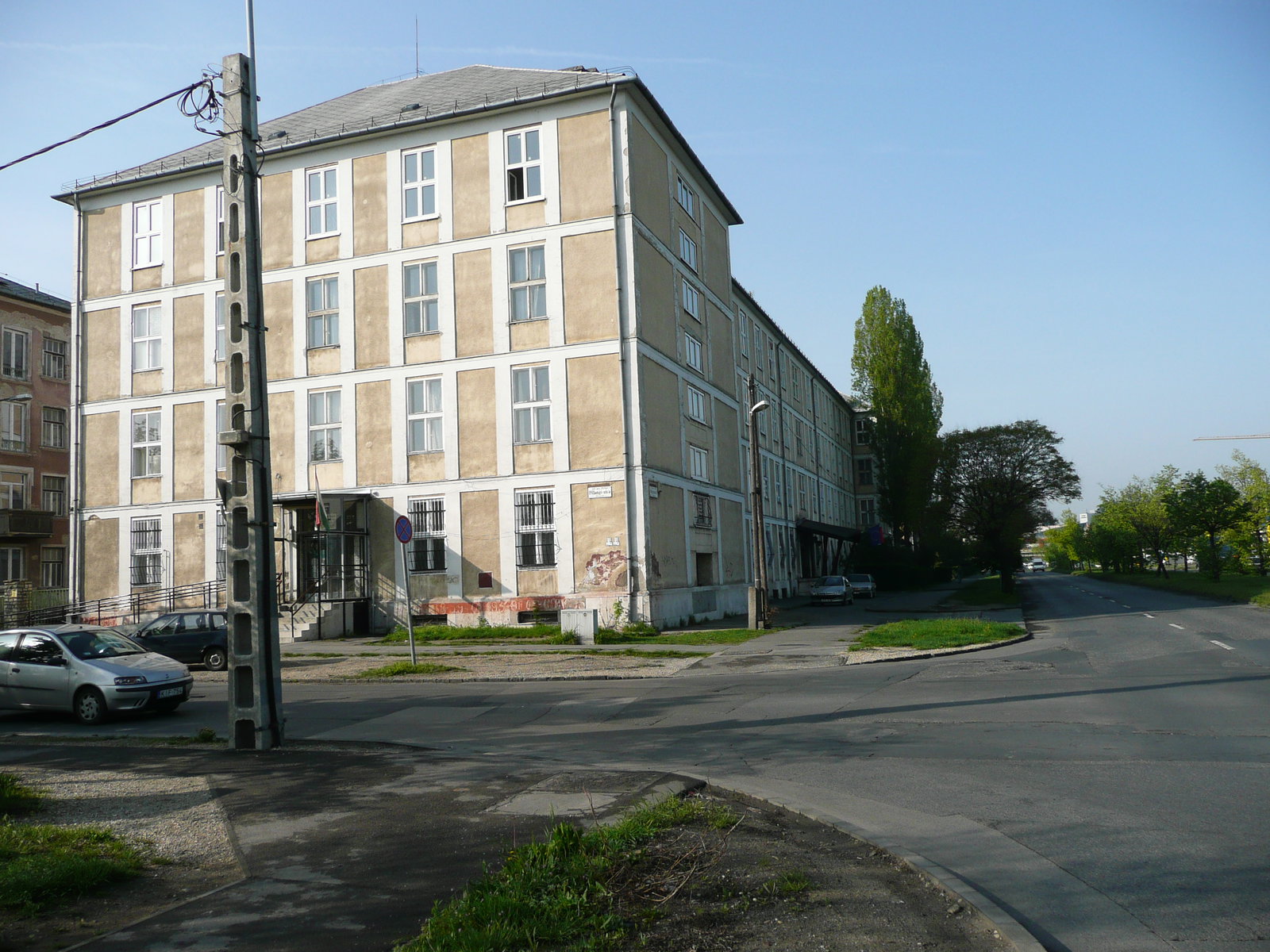
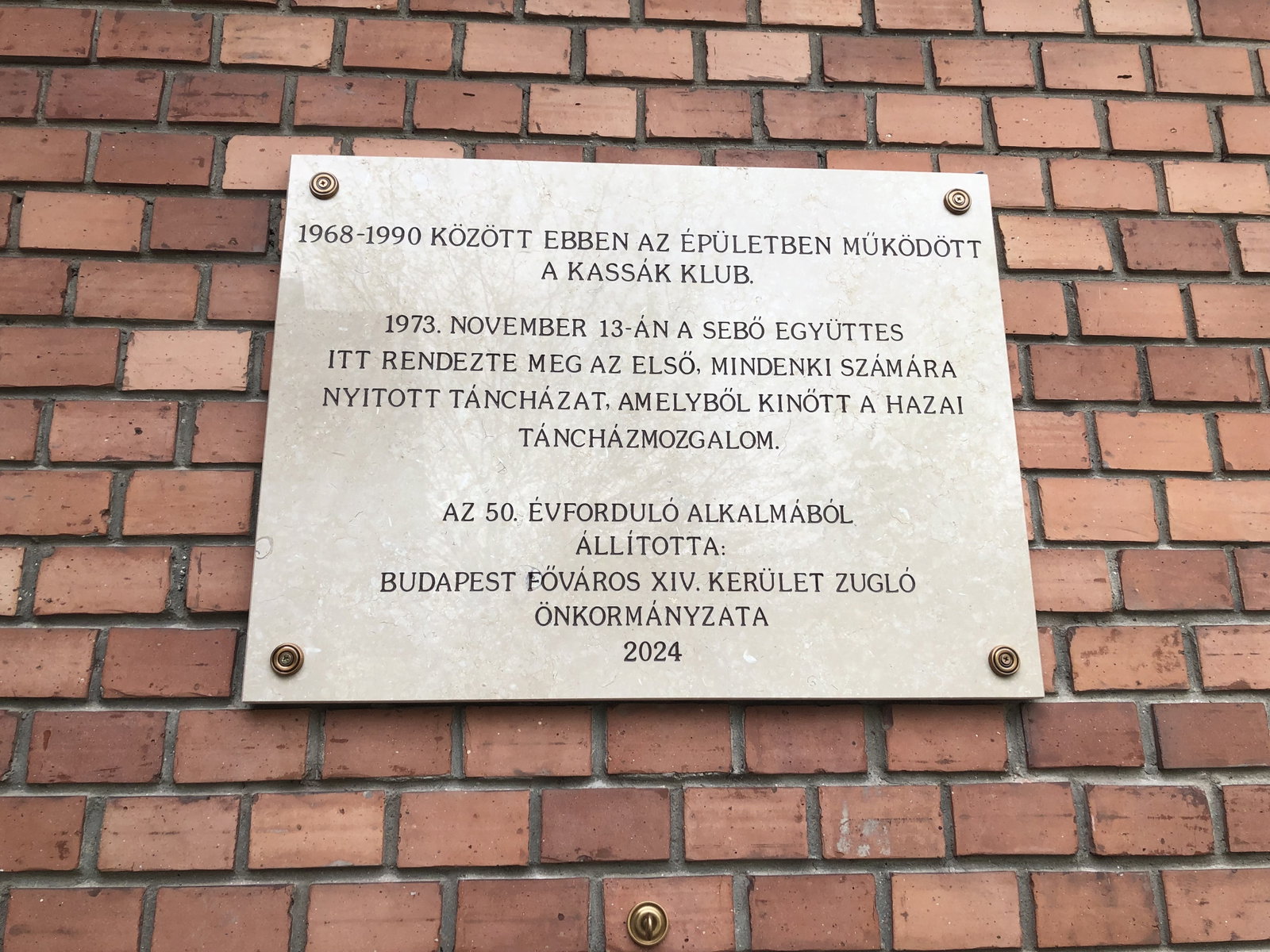
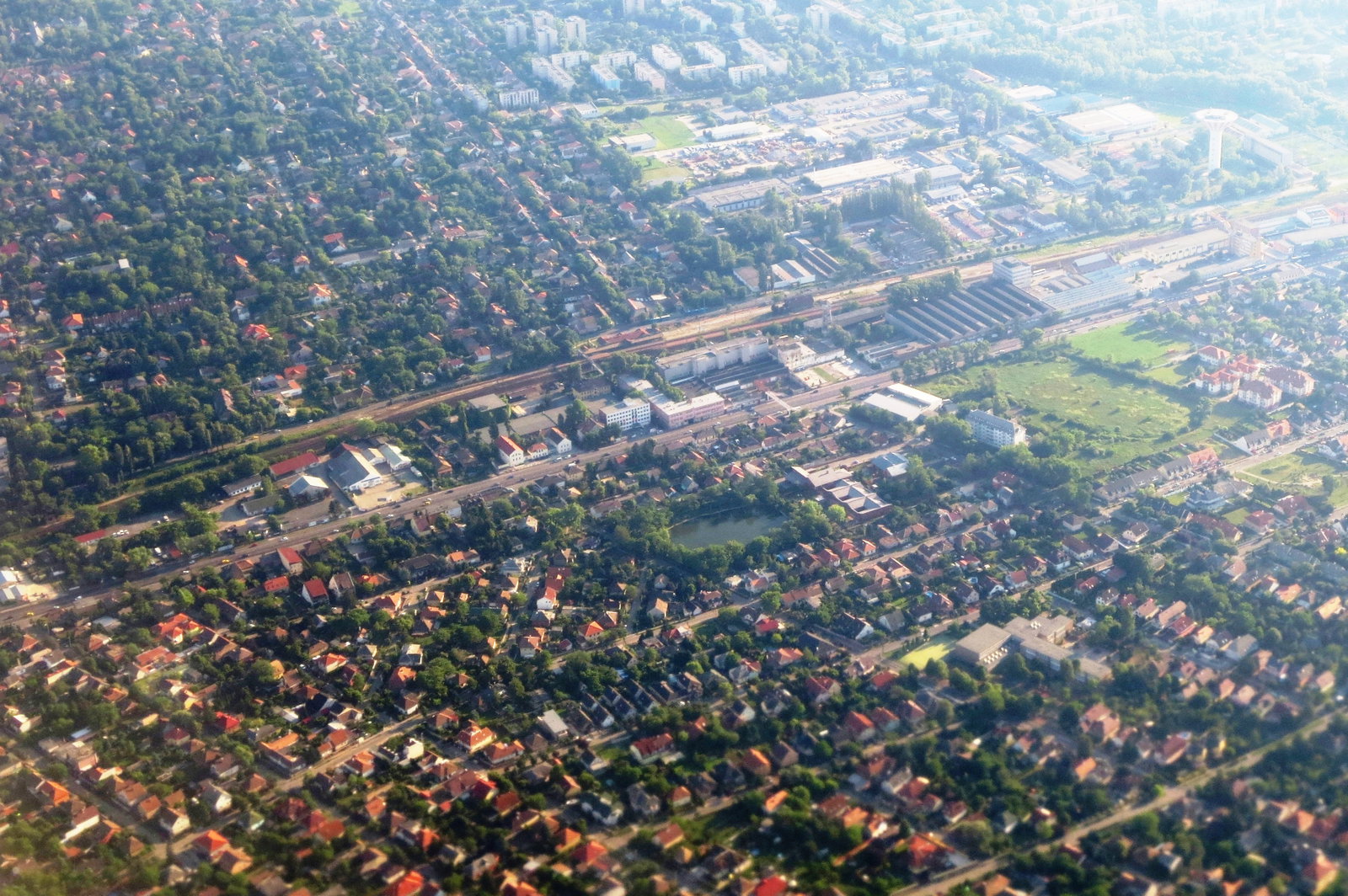
Zugló is the 14th district of Budapest, located on the Pest side, featuring parks, sports facilities, and residential areas.
A district featuring the Városliget (City Park) and Heroes' Square at the end of elegant Andrássy Avenue. Home to major cultural institutions including the Museum of Fine Arts and Kunsthalle.
Angyalföld-Újlipótváros, mix of urban continuation and working-class residential areas.
Large suburban area in southeast Pest with residential zones and aviation history.
Situated on the Pest side, this district marks the northern boundary of the eastern side of the city and is known as Újpest, a historically industrial and now residential area.
The 18th district of Budapest, known as Pestszentlőrinc, located in the southeastern part of Pest, a mix of residential and industrial areas.
Ferencváros, diverse and rapidly developing area with monuments and Danube projects.
A suburban district with lower numbers indicating proximity to downtown. Well-connected by public transit systems with mixed residential and commercial development.
Situated in northwest Buda, this district offers a mix of residential and commercial spaces, known for its green areas and upscale neighborhoods.
Residential Buda district with green hills, villas, and traditional Hungarian atmosphere.
Outer suburban district in eastern Pest known for family homes and proximity to nature.
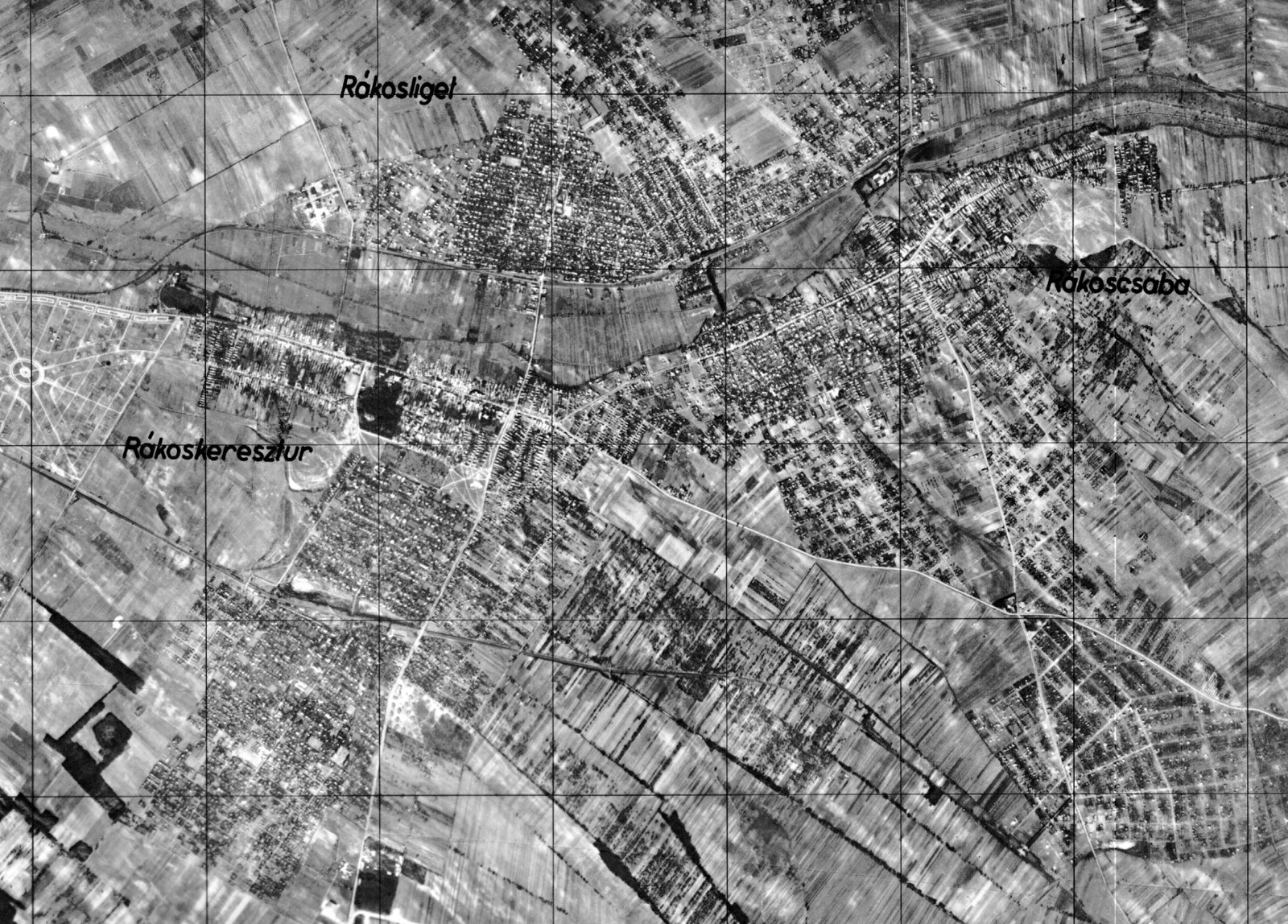
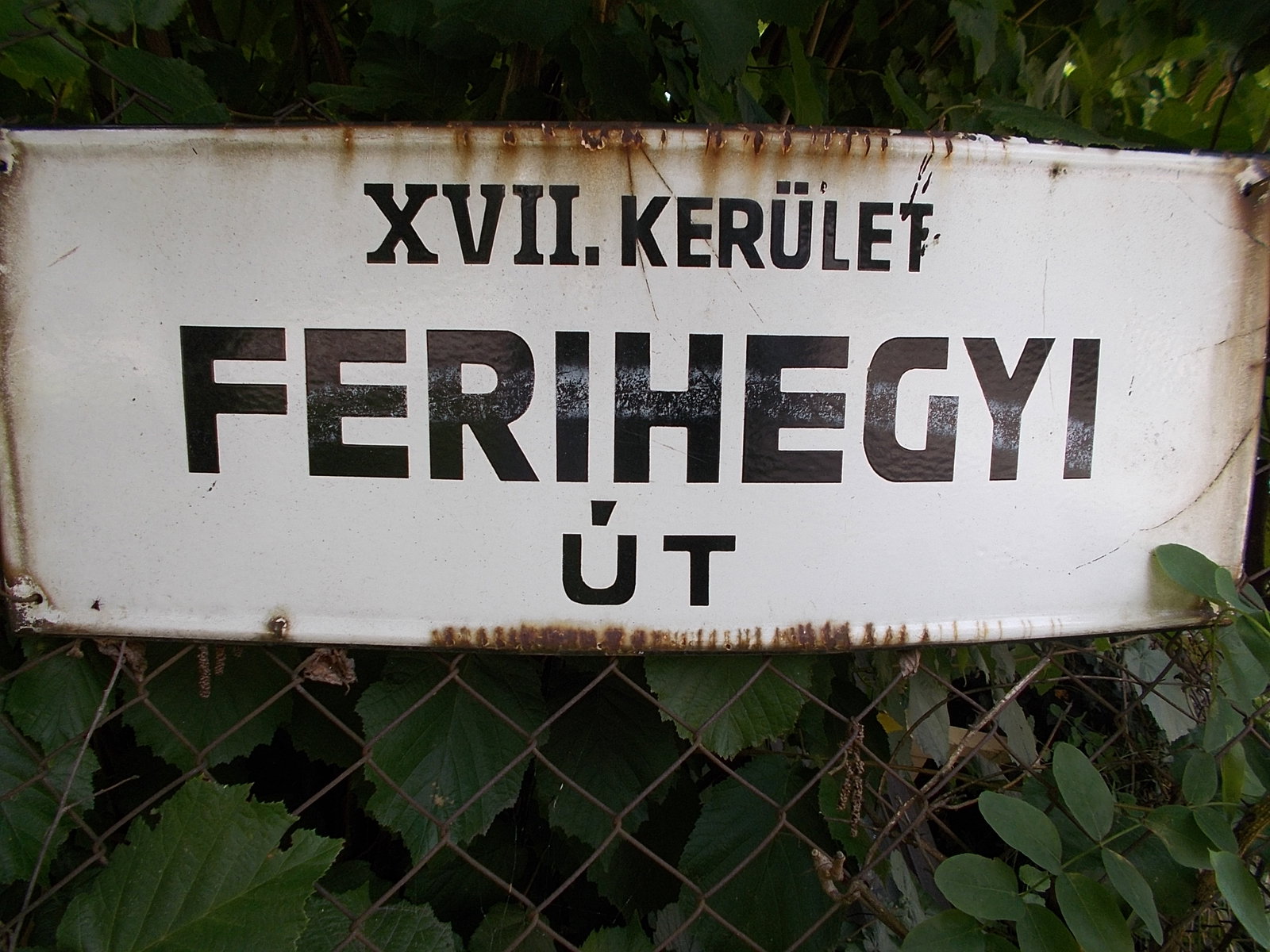
The 17th district of Budapest, also known as Rákosmente, situated in the eastern part of Pest, characterized by suburban residential neighborhoods.
Island district in the Danube with industrial heritage and residential communities.
Rákospalota is the 15th district of Budapest, located in the northern part of the city, primarily residential with some industrial areas.
Józsefváros, densely populated with old-fashioned atmosphere, undergoing modernization.
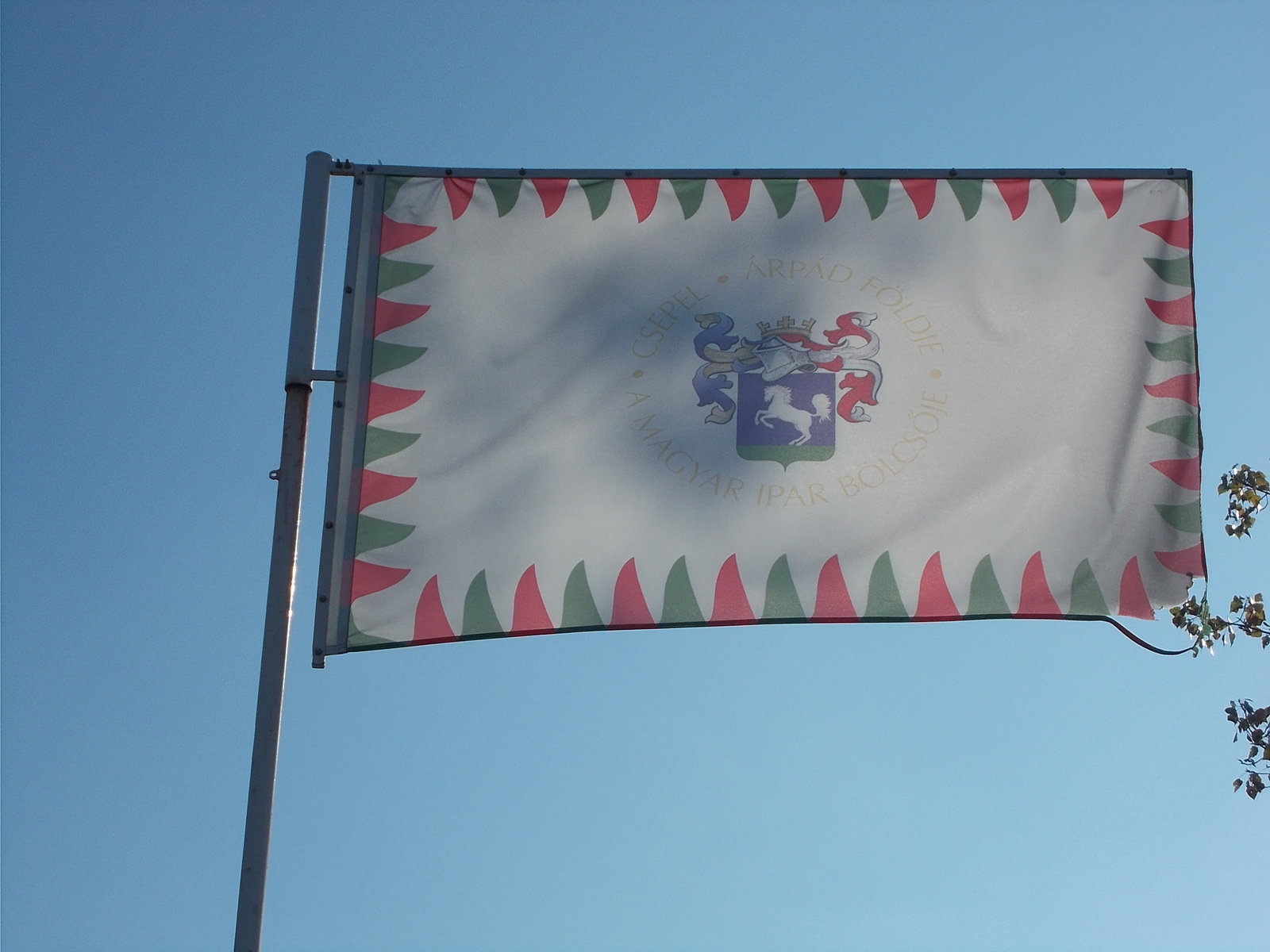
Csepel is the 21st district of Budapest, located on the northern end of Csepel Island in the Danube. It is the only complete district of Budapest situated entirely on an island, separate from both Buda and Pest. Known for its industrial heritage and cultural sites such as the Csepel Gallery and the Csepel Works Historical Collection, it offers a mix of historical and contemporary attractions.
A suburban residential district in Pest with working-class neighborhoods and green areas.
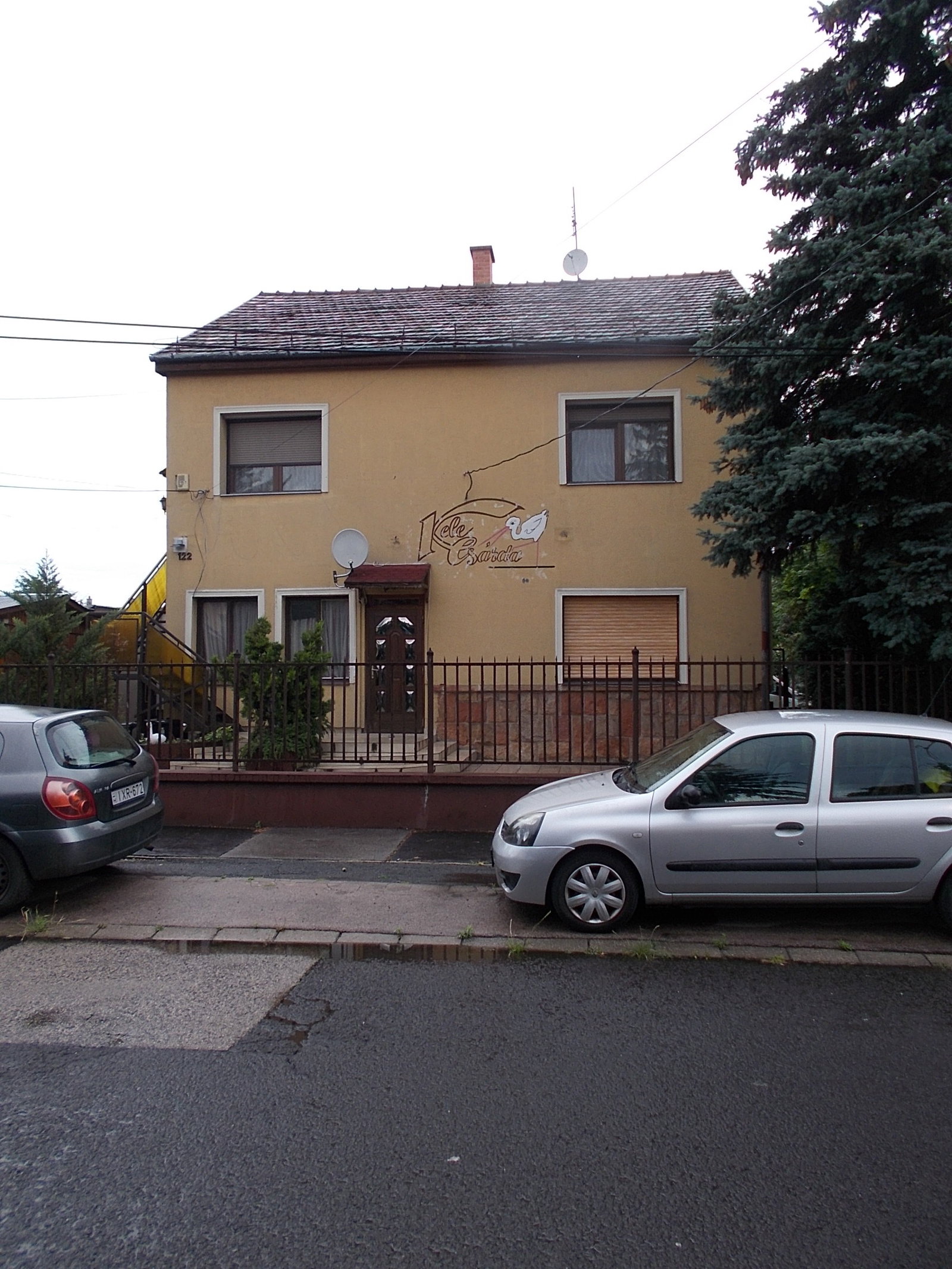
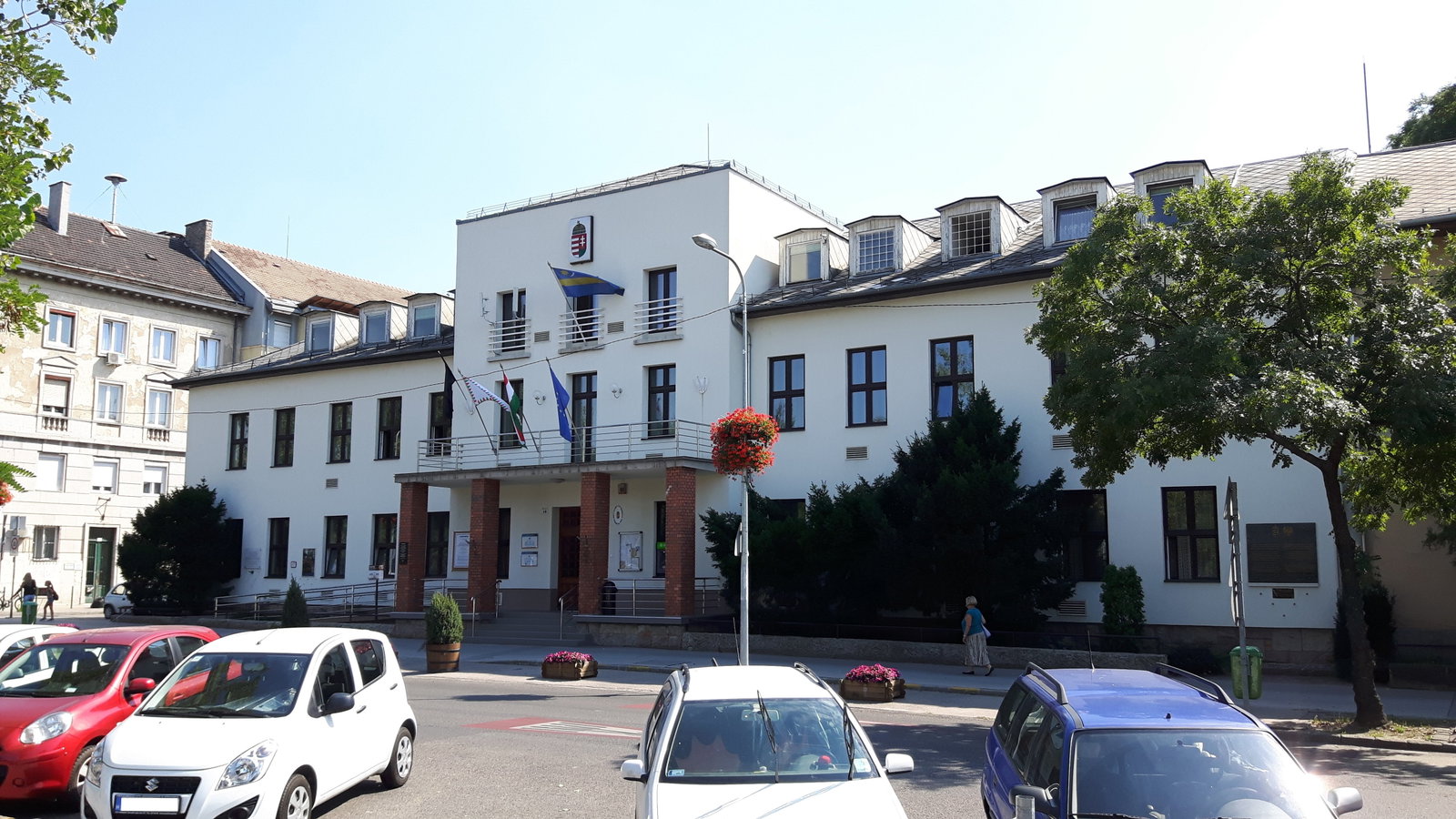
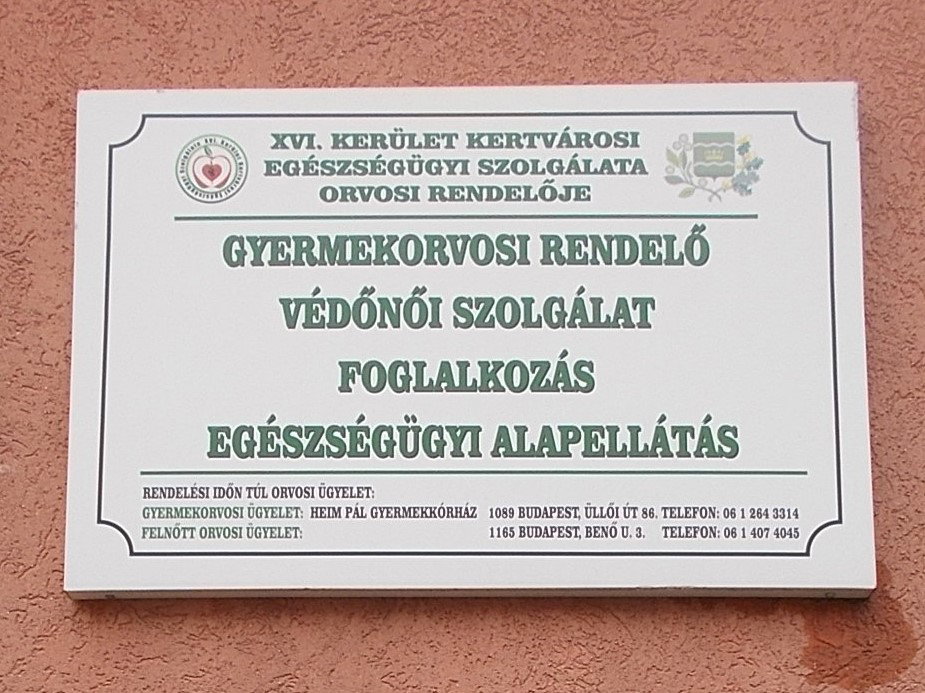
The 16th district of Budapest, located in the eastern part of the city on the Pest side, known for its residential areas and green spaces.
Terézváros, central Pest with Andrássy Avenue, theaters, and vibrant urban life.
Residential suburb near the airport with good transport links and family areas.
Southern Pest district with industrial past, now residential with green spaces.
The 20th district of Budapest, known as Pesterzsébet, located in the southern part of Pest, featuring residential neighborhoods and local parks.
The 19th district of Budapest, called Kispest, situated in the southern part of Pest, primarily residential with some commercial zones.
Hegyvidék is the 12th district of Budapest, located on the Buda side, characterized by hilly terrain and residential areas with green spaces.
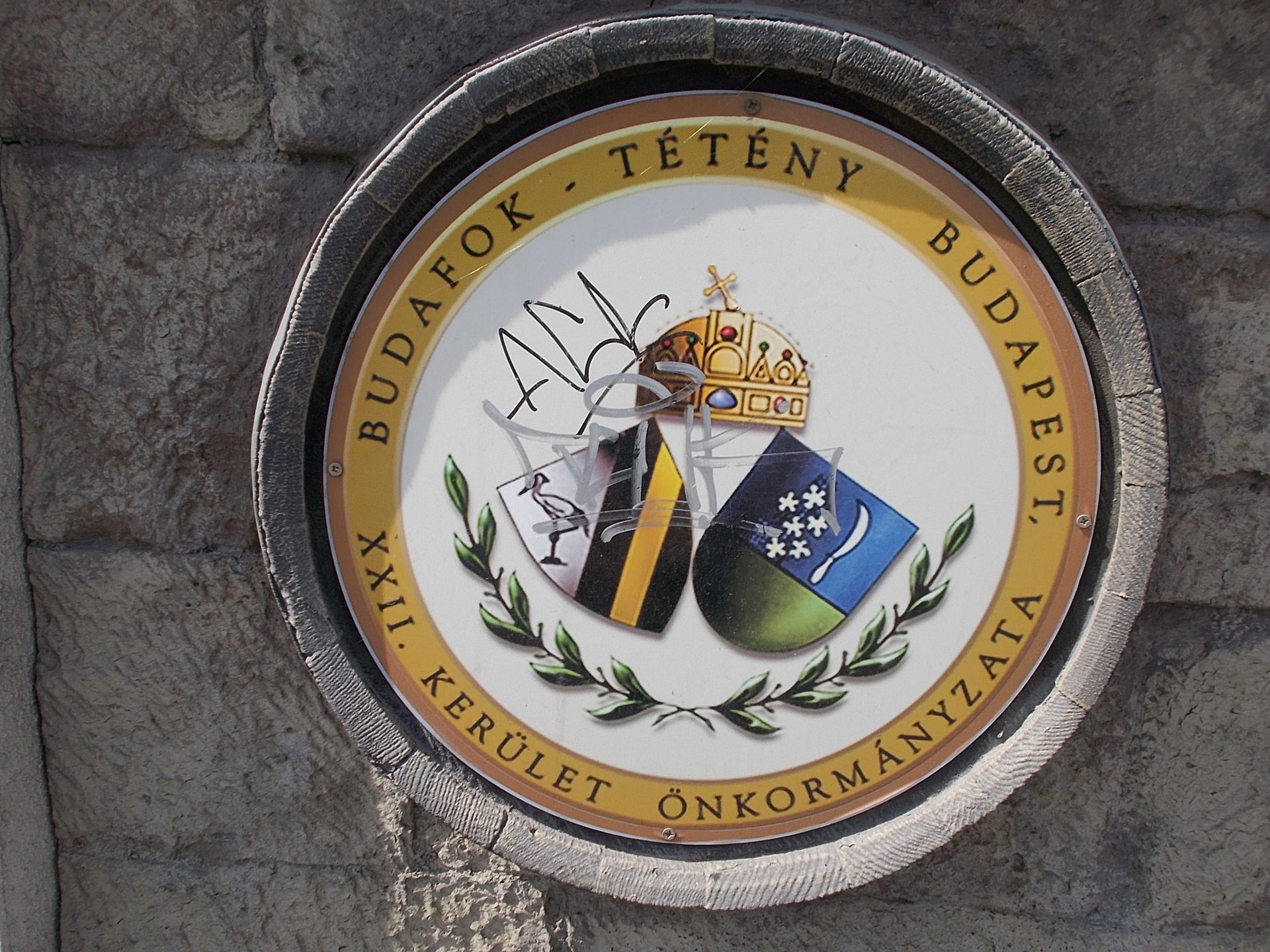
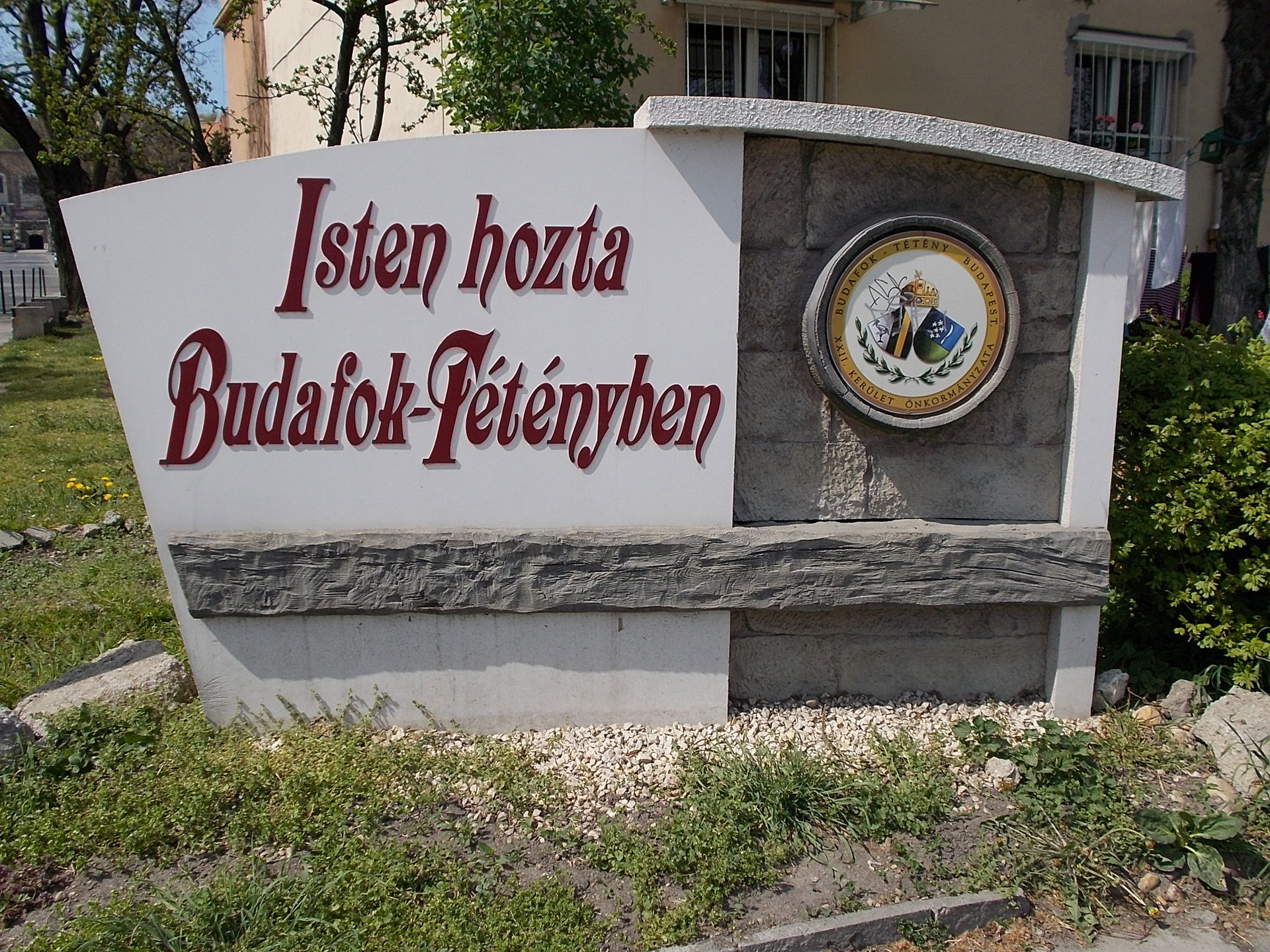
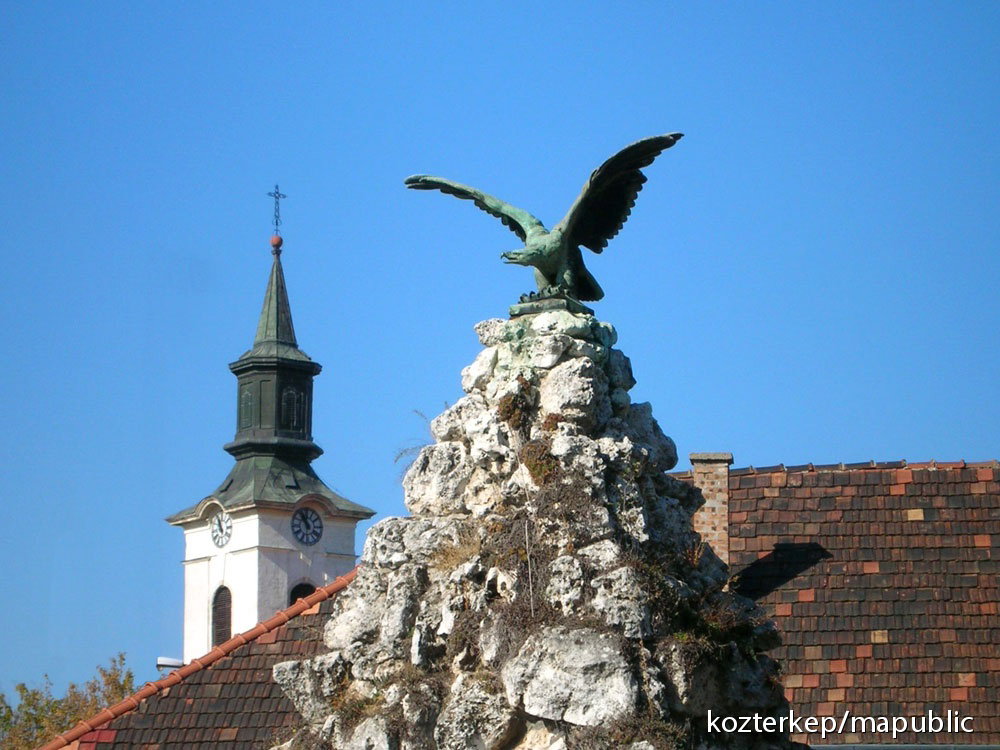
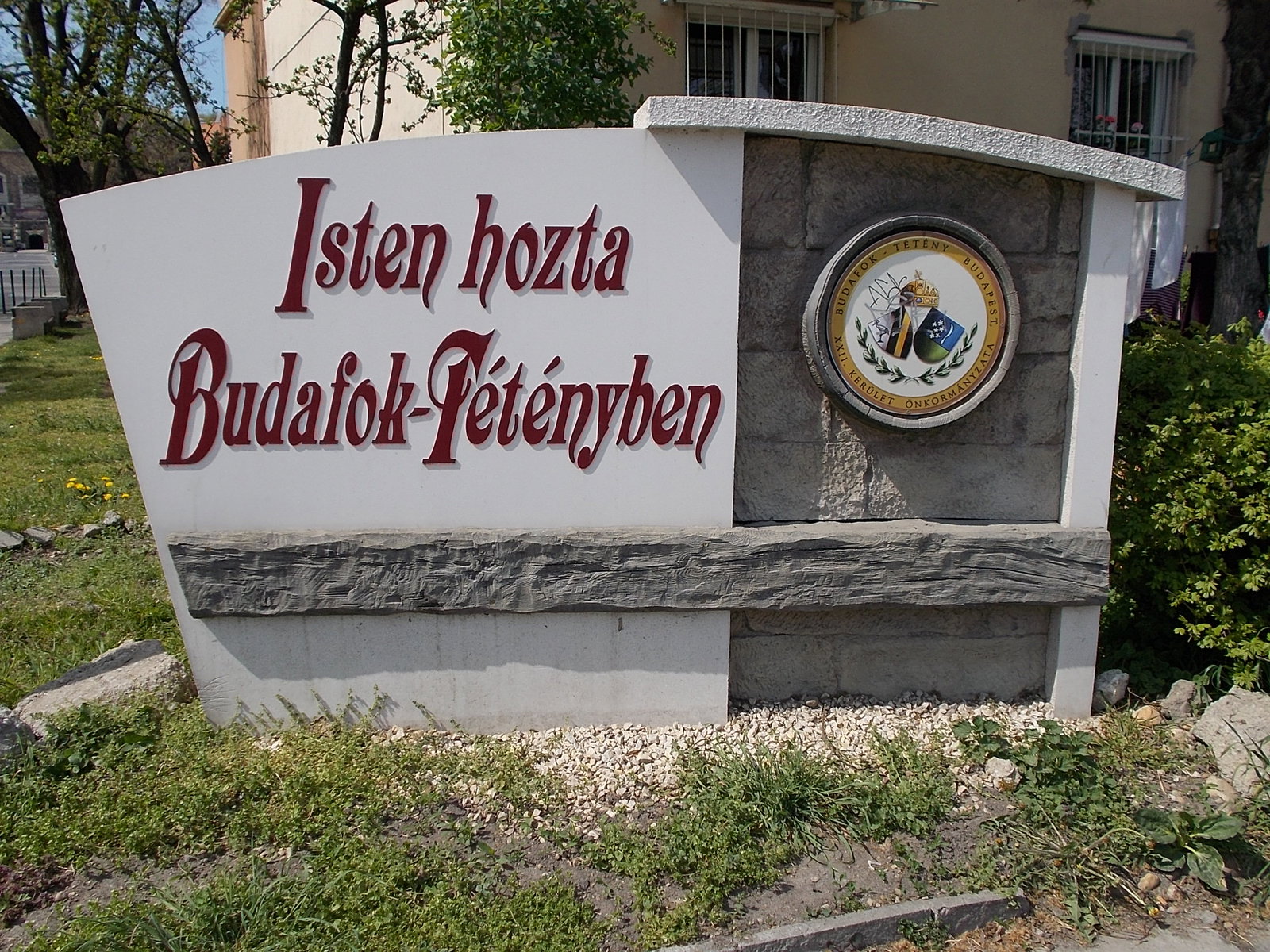
Budafok-Tétény is the 22nd district of Budapest, located in the southern part of Buda. It is known for its wine cellars, historical sites, and green spaces, offering a suburban atmosphere within the city.
Southern Buda district known for wine production and hilly terrain.
Erzsébetváros, Jewish Quarter famous for ruin pubs, synagogues, and nightlife.
Belváros-Lipótváros, the elegant downtown Pest with Parliament, basilica, and luxury shops.
Castle District in Buda, historic area with Buda Castle, churches, and scenic views over the Danube.
Located in central Buda, this district is home to the historic Buda Castle, a UNESCO World Heritage site and a symbol of Hungarian nationhood.