This content was generated using artificial intelligence based on publicly available information. It is provided for general informational purposes only and does not constitute legal, tax, immigration, or professional advice. Information may be incomplete or outdated. Always verify with official sources before making decisions.
Data Source: Safety, crime, and quality metrics are sourced from Numbeo, a crowd-sourced global database of reported data.
All scores are relative comparisons on a 0-100 scale, where 50 = global average. Higher scores mean better than average, lower scores mean worse than average.
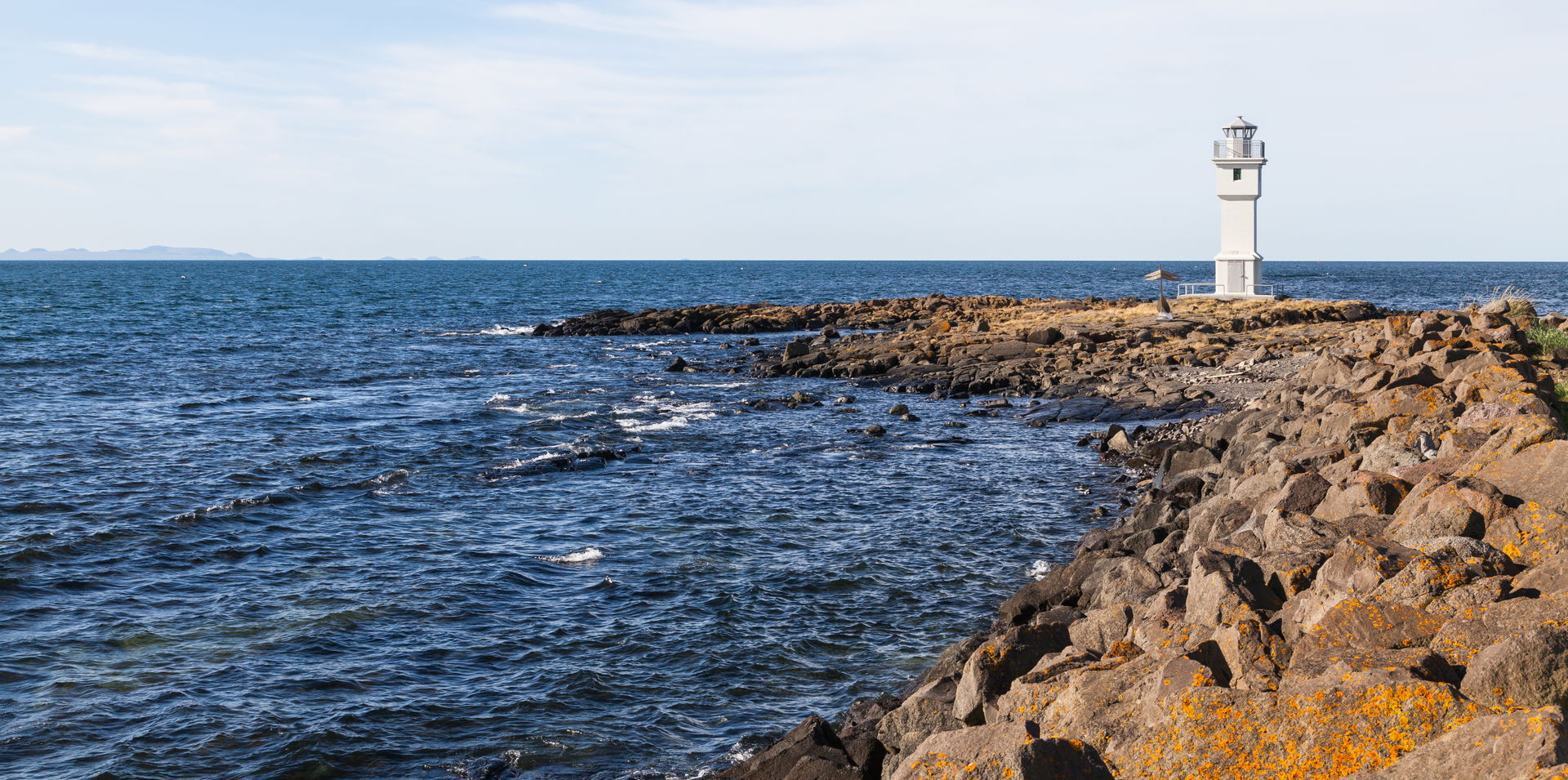
Akranes offers a genuine small-town Icelandic lifestyle without Reykjavik's intensity or price tag. This coastal town of 7,400 delivers reliable healthcare, solid public services, and a tight-knit community where expats tend to integrate naturally—ideal if you're seeking authenticity over anonymity. The trade-off is real: you're trading urban convenience and cultural diversity for quieter rhythms and limited job markets outside fishing, tourism, and remote work.
Safety is strong, and the 45-minute commute to Reykjavik keeps larger opportunities within reach. Housing costs remain reasonable by Icelandic standards, though expect Nordic-level expenses overall. Best suited for remote workers, families prioritizing community, or professionals in maritime industries who value stability and outdoor access over nightlife and career acceleration.
Population
7,411
Area
3 km²
Density
2,573 per km²
Founded
-
Language
Icelandic
Distance to Coast
1 km
Districts & Neighborhoods in Akranes
Loading districts…
Climate & Weather in Akranes
Akranes has a cool, maritime climate typical of coastal western Iceland, with short, mild summers and relatively mild but wet winters. Its climate is best described as subpolar oceanic (Köppen Cfc), with frequent cloud cover, frequent precipitation, and rapid weather changes influenced by the North Atlantic. Long-term climate data indicate an average annual temperature of about 4.1°C and annual precipitation around 1337 mm, which is consistent with a wet coastal Icelandic setting.
Summer Average
11°C
Winter Average
1°C
Climate Type
Subpolar Oceanic
Rainy Days
220
Sunny Days
85
Humidity
80%
Spring
March - May
0-6°C
Spring is cool, windy, and changeable, with a slow warming trend through May. Rain showers remain common, and occasional late snow is possible early in the season.
Moderate rainfall
Summer
June - August
9-13°C
Summer is mild rather than warm, with the most comfortable conditions of the year. Sunshine increases, but coastal breezes and passing showers are still common.
Moderate rainfall
Autumn
September - November
2-8°C
Autumn turns cooler quickly, with more frequent rain and stronger winds. Cloudy, damp conditions dominate, and temperatures often fall near freezing by late November.
High rainfall
Winter
December - February
-1-4°C
Winter is cold but usually not extreme for Iceland, thanks to ocean influence. Rain, sleet, snow, and strong winds can all occur, and conditions often change quickly.
High rainfall
Loading Weather...
Air Quality
Akranes
Advantages
Akranes
Stunning coastal scenery
Close to Reykjavik
Rich cultural heritage
Tight-knit community
Outdoor recreation access
Disadvantages
Akranes
Limited job opportunities
No universities nearby
Expensive housing costs
Harsh winter weather
Small dating pool
Safety & Security in Akranes
Overall Safety Score
Includes resilience and environmental factors
Good
72
/100
Iceland Avg
57
Europe Avg
58
Worldwide Avg
57
Crime & Safety Metrics
Thermometer compares Akranes to Iceland averages using different marker styles.Compare:
Akranes
Iceland Average
Safety Index
0510
Good
Safety from Crime
0510
Safe
Safe Alone (Day)
0510
Good
Safe Alone (Night)
0510
Good
Safety from Violent Crime
0510
Safe
Safety from Property Crime
0510
Safe
Environmental & Natural Hazard Risks
Resilience Score: 66/100
No data for Akranes — showing hazard indicators from nearby Reykjavik (~21 km).