This content was generated using artificial intelligence based on publicly available information. It is provided for general informational purposes only and does not constitute legal, tax, immigration, or professional advice. Information may be incomplete or outdated. Always verify with official sources before making decisions.
Data Source: Safety, crime, and quality metrics are sourced from Numbeo, a crowd-sourced global database of reported data.
All scores are relative comparisons on a 0-100 scale, where 50 = global average. Higher scores mean better than average, lower scores mean worse than average.
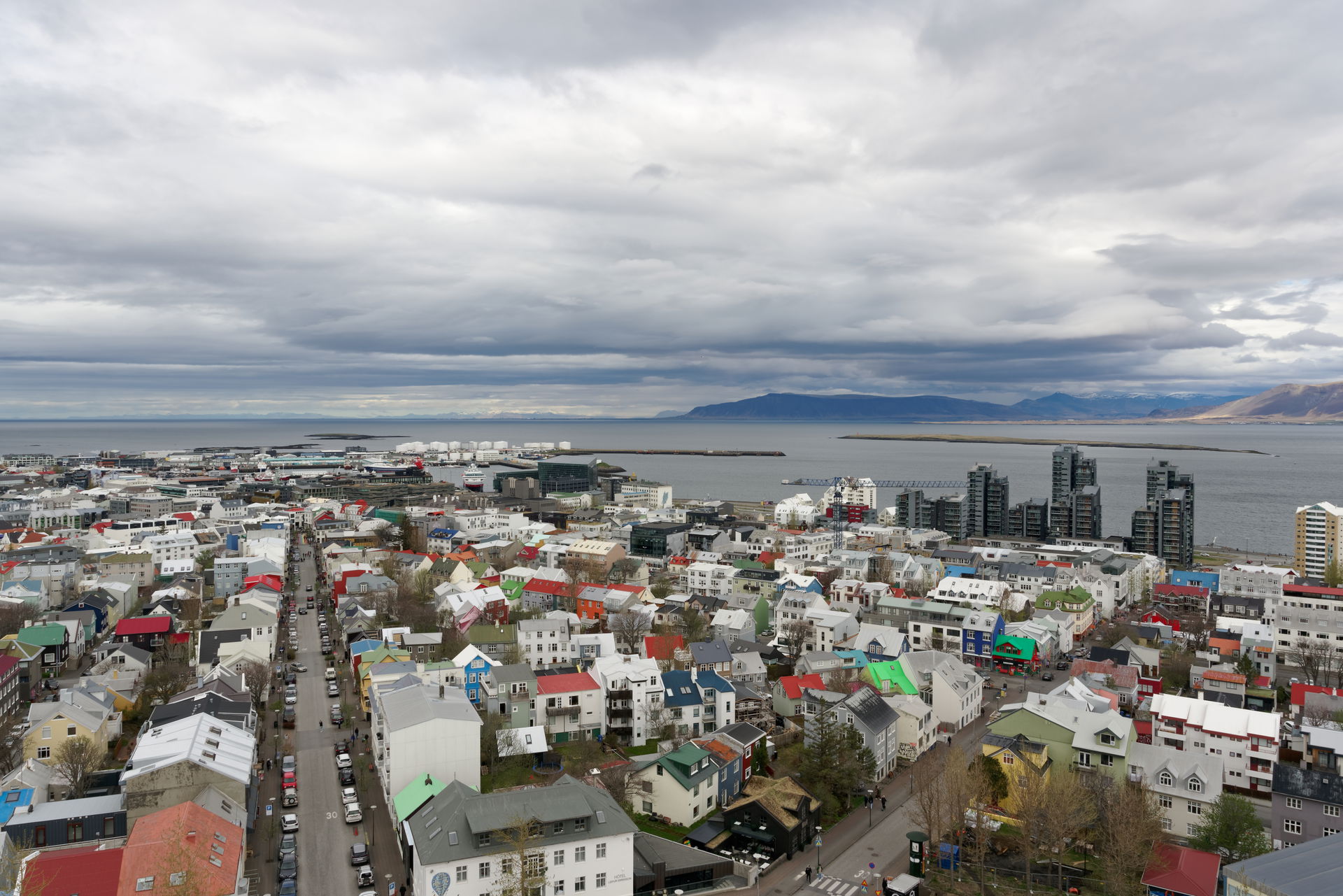
Reykjavik punches above its weight for expats seeking a tight-knit, genuinely international community—nearly a quarter of residents are foreign-born, which means you won't be starting from zero. The city delivers on quality of life: excellent healthcare, reliable public transport, and a safe, walkable environment where English is genuinely spoken everywhere. The Nordic lifestyle here is real: outdoor-focused, egalitarian, and refreshingly straightforward.
The catch? Cost of living is steep, and the isolation—both geographic and seasonal—hits harder than most expect. Winter darkness and limited job markets outside tech and tourism mean you'll want either remote work, specialized skills, or serious financial cushion before arriving. But if you're drawn to small-city authenticity with global connectivity, Reykjavik rewards the commitment.
Reykjavik has a cool oceanic climate (Köppen Cfc) with short, mild summers, long cool winters, and frequent cloud cover, wind, and precipitation. Long-term climate references for Iceland indicate summer temperatures around 10–15°C and winter temperatures around -1–4°C, which aligns with Reykjavik's maritime setting and the current overcast, humid conditions.
Summer Average
11°C
Winter Average
1°C
Climate Type
Oceanic
Rainy Days
220
Sunny Days
50
Humidity
81%
Spring
March - May
0-8°C
Spring is cool, windy, and changeable, with increasing daylight but frequent cloud cover and rain or sleet. Temperatures rise gradually, and late spring can feel noticeably milder than early spring.
High rainfall
Summer
June - August
9-15°C
Summer is mild rather than warm, with the most stable and brightest weather of the year. Cloudy and breezy days are still common, but extended daylight makes this the most comfortable season.
Moderate rainfall
Autumn
September - November
2-9°C
Autumn becomes progressively colder, wetter, and windier, with more frequent storms and overcast skies. The transition toward winter is usually rapid, especially in late October and November.
High rainfall
Winter
December - February
-2-4°C
Winter is cold, dark, and often windy, with frequent snow, rain, or mixed precipitation depending on marine conditions. Temperatures often hover near freezing, so thaw-freeze cycles are common.
Moderate rainfall
Loading Weather...
Air Quality
Reykjavik
Advantages
Reykjavik
Stunning natural landscapes nearby
Vibrant cultural scene
Strong community spirit
Abundant outdoor activities
Safe, walkable city
Arctic nature experiences
Disadvantages
Reykjavik
Extremely high cost of living
Severe housing affordability crisis
Limited job market outside tourism
Harsh winter weather conditions
Small expat community integration
Safety & Security in Reykjavik
Overall Safety Score
Includes resilience and environmental factors
Good
73
/100
Iceland Avg
57
Europe Avg
58
Worldwide Avg
57
Crime & Safety Metrics
Thermometer compares Reykjavik to Iceland averages using different marker styles.Compare: