This content was generated using artificial intelligence based on publicly available information. It is provided for general informational purposes only and does not constitute legal, tax, immigration, or professional advice. Information may be incomplete or outdated. Always verify with official sources before making decisions.
Data Source: Safety, crime, and quality metrics are sourced from Numbeo, a crowd-sourced global database of reported data.
All scores are relative comparisons on a 0-100 scale, where 50 = global average. Higher scores mean better than average, lower scores mean worse than average.
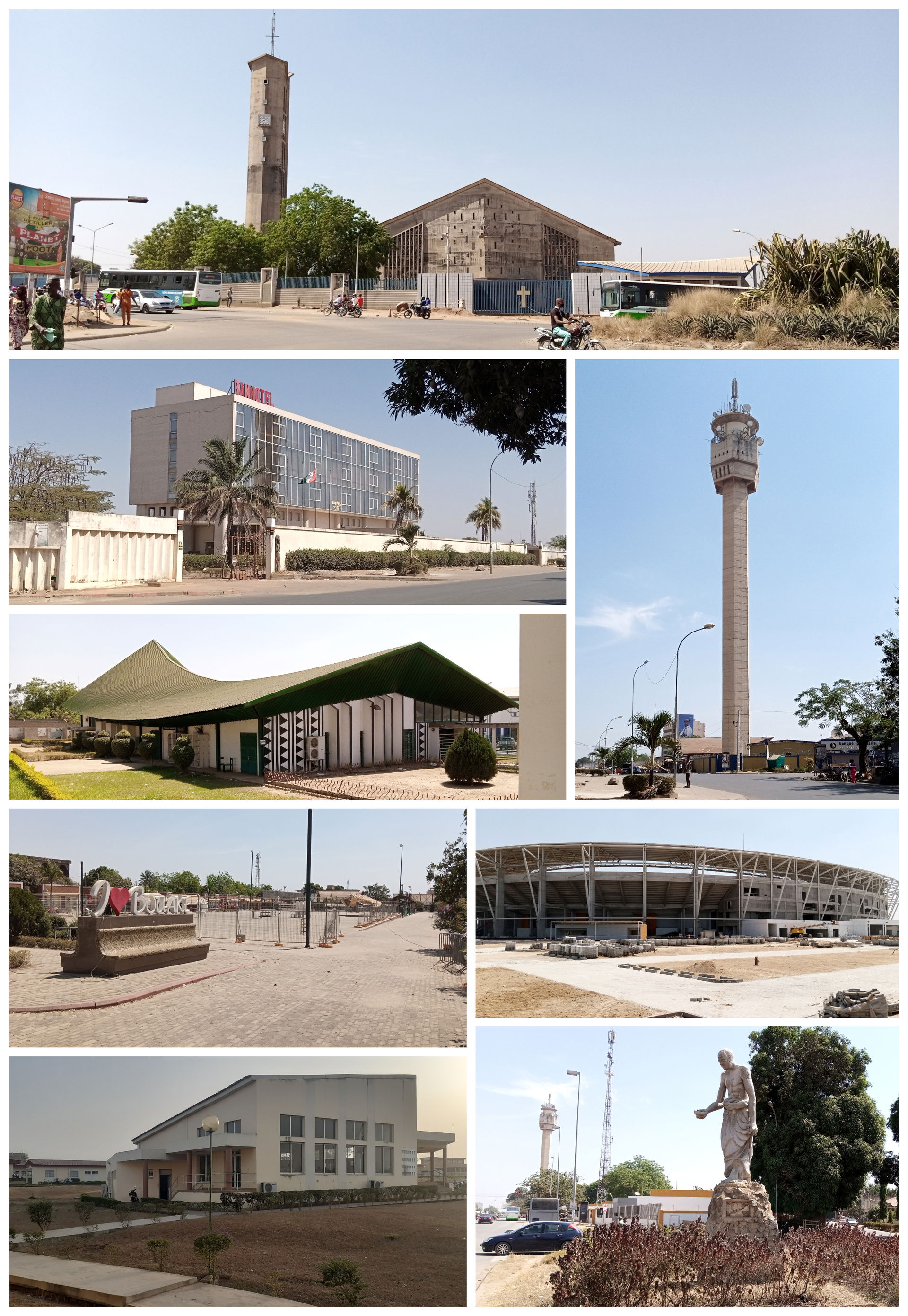
Bouaké offers a grounded, authentic alternative to the coastal bustle of Abidjan, making it an ideal hub for professionals seeking a more central, mid-sized urban experience in Ivory Coast. The lifestyle is defined by a slower pace and a genuine sense of community, providing a practical base for those working in regional development or agriculture.
While you will find reliable healthcare and functional public transport, the city lacks the established expat infrastructure and diverse housing markets found in larger metropolitan hubs. It is a place for the resilient traveler who prioritizes local integration and lower operational costs over Western-style amenities, requiring a certain level of adaptability to navigate its developing urban landscape.
Population
832,371
Area
3,347 km²
Density
249 per km²
Founded
-
Language
French
Distance to Coast
269 km
Districts & Neighborhoods in Bouaké
Loading districts…
Climate & Weather in Bouaké
Bouaké has a tropical wet-and-dry climate (Köppen Aw) with a long rainy season from roughly March to October and a shorter dry season influenced by the harmattan. Temperatures stay warm year-round, with an annual mean around 25.7°C, and rainfall is moderate for Côte d’Ivoire’s interior rather than coastal levels.
Summer Average
30°C
Winter Average
25°C
Climate Type
Tropical Wet and Dry
Rainy Days
190
Sunny Days
175
Humidity
74%
Spring
March - May
28-33°C
Hot conditions build quickly at the start of the rainy season, with increasing cloud cover and frequent afternoon showers. Humidity rises noticeably as storms become more common.
High rainfall
Summer
June - August
24-29°C
This is the core wet season, with regular rain, higher humidity, and somewhat cooler daytime temperatures than the hottest months. August is often among the cooler months because persistent cloud cover limits heating.
Very High rainfall
Autumn
September - November
26-31°C
Rainfall remains significant in September and then decreases through November as the dry season approaches. Conditions become warmer and sunnier toward late autumn.
Moderate rainfall
Winter
December - February
24-30°C
The dry season brings the lowest rainfall, drier air, and more influence from the harmattan. Days remain warm, but nights and early mornings can feel cooler and less humid.
Low rainfall
Loading Weather...
Air Quality
Bouaké
Advantages
Bouaké
Major regional commercial hub
Affordable cost of living
Vibrant market culture
Strong community spirit
Growing business opportunities
Disadvantages
Bouaké
Limited higher education options
Insufficient infrastructure development
Few professional job opportunities
Basic healthcare facilities
Unreliable electricity supply
Safety & Security in Bouaké
Overall Safety Score
Includes resilience and environmental factors
Good
62
/100
Ivory Coast Avg
59
Africa Avg
57
Worldwide Avg
59
Crime & Safety Metrics
Thermometer compares Bouaké to Ivory Coast averages using different marker styles.Compare:
Bouaké
Ivory Coast Average
No city-specific data available — showing Ivory Coast country averages instead.