This content was generated using artificial intelligence based on publicly available information. It is provided for general informational purposes only and does not constitute legal, tax, immigration, or professional advice. Information may be incomplete or outdated. Always verify with official sources before making decisions.
Data Source: Safety, crime, and quality metrics are sourced from Numbeo, a crowd-sourced global database of reported data.
All scores are relative comparisons on a 0-100 scale, where 50 = global average. Higher scores mean better than average, lower scores mean worse than average.
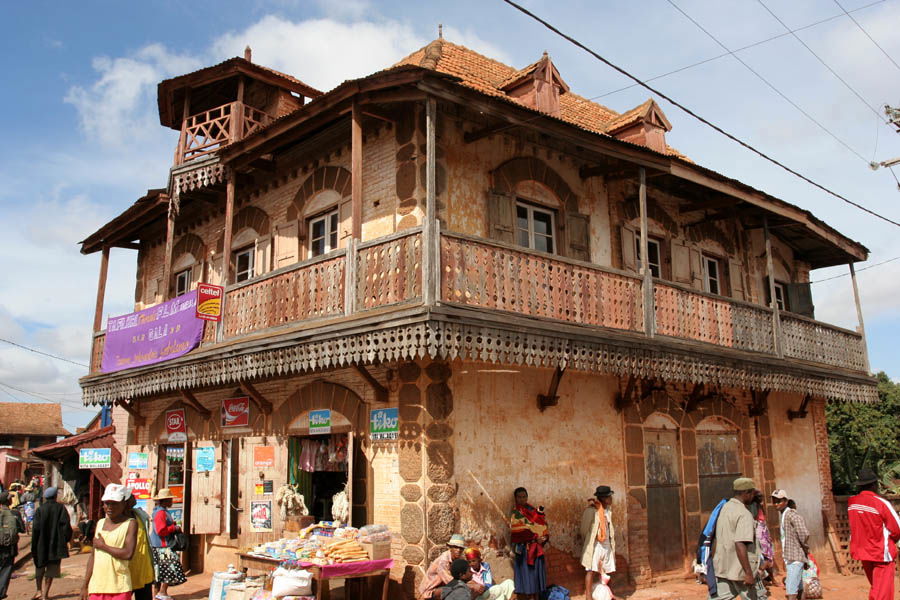
Ambalavao offers a rugged, authentic lifestyle for those seeking to escape the urban grind and immerse themselves in Madagascar’s cultural heartland. It is a destination for the self-sufficient professional who values a slower pace and proximity to unique landscapes over modern amenities. You will find a community defined by traditional rhythms rather than expat bubbles, making it ideal for those pursuing deep cultural integration.
While the cost of living is exceptionally low, relocation requires a pragmatic mindset regarding infrastructure. You should expect moderate challenges with healthcare access and reliable transport, which may necessitate more careful planning than in larger hubs. It is a rewarding choice if you prioritize character and quietude over seamless convenience.
Population
45,784
Area
14 km²
Density
3,289 per km²
Founded
-
Language
French, Malagasy
Distance to Coast
128 km
Districts & Neighborhoods in Ambalavao
Loading districts…
Climate & Weather in Ambalavao
Ambalavao has a subtropical highland climate (Köppen Cwb), with warm, wet summers and cooler, drier winters. Long-term averages show a mild annual temperature profile, with the warmest months around December-January and the coolest around July, and rainfall concentrated in the summer half of the year. The current conditions of 25.45°C and few clouds are consistent with the city’s warm-season weather pattern.
Summer Average
22°C
Winter Average
16°C
Climate Type
Subtropical highland
Rainy Days
120
Sunny Days
220
Humidity
70%
Spring
September - November
18-23°C
Spring is warming and increasingly humid, with rainfall rising toward the onset of the wet season. Conditions often shift from clear, mild days in September to more frequent showers by November.
Moderate rainfall
Summer
December - February
21-26°C
Summer is the warmest and wettest period of the year, with frequent cloud cover and heavy rainfall. January is typically among the wettest months, while temperatures remain warm but not extreme.
Very High rainfall
Autumn
March - May
18-23°C
Autumn brings a steady decline in rainfall and a gradual cooling trend. April and May are notably drier and more comfortable than the summer months.
Moderate rainfall
Winter
June - August
15-18°C
Winter is the coolest and driest season, with clearer skies and cool nights. July is typically the coldest month, and rainfall is at its annual minimum.
Low rainfall
Loading Weather...
Air Quality
Ambalavao
Advantages
Ambalavao
Gateway to Andringitra National Park
Affordable cost of living
Rich silk weaving tradition
Close-knit community atmosphere
Access to quality education
Scenic highland landscapes
Disadvantages
Ambalavao
Limited higher education options
Few job opportunities
Poor infrastructure development
Minimal entertainment venues
Basic healthcare access
Safety & Security in Ambalavao
Overall Safety Score
Includes resilience and environmental factors
Moderate
55
/100
Madagascar Avg
54
Africa Avg
54
Worldwide Avg
56
Crime & Safety Metrics
Thermometer compares Ambalavao to Madagascar averages using different marker styles.Compare:
Ambalavao
Madagascar Average
No city-specific data available — showing Madagascar country averages instead.
Safety Index
0510
Low
Safety from Crime
0510
Concerning
Safe Alone (Day)
0510
Moderate
Safe Alone (Night)
0510
Critical
Safety from Violent Crime
0510
Dangerous
Safety from Property Crime
0510
Concerning
Environmental & Natural Hazard Risks
Resilience Score: N/A
Data Currently Under Investigation
Environmental risk assessments are being researched. The indicators below show what data will be available soon.