This content was generated using artificial intelligence based on publicly available information. It is provided for general informational purposes only and does not constitute legal, tax, immigration, or professional advice. Information may be incomplete or outdated. Always verify with official sources before making decisions.
Data Source: Safety, crime, and quality metrics are sourced from Numbeo, a crowd-sourced global database of reported data.
All scores are relative comparisons on a 0-100 scale, where 50 = global average. Higher scores mean better than average, lower scores mean worse than average.
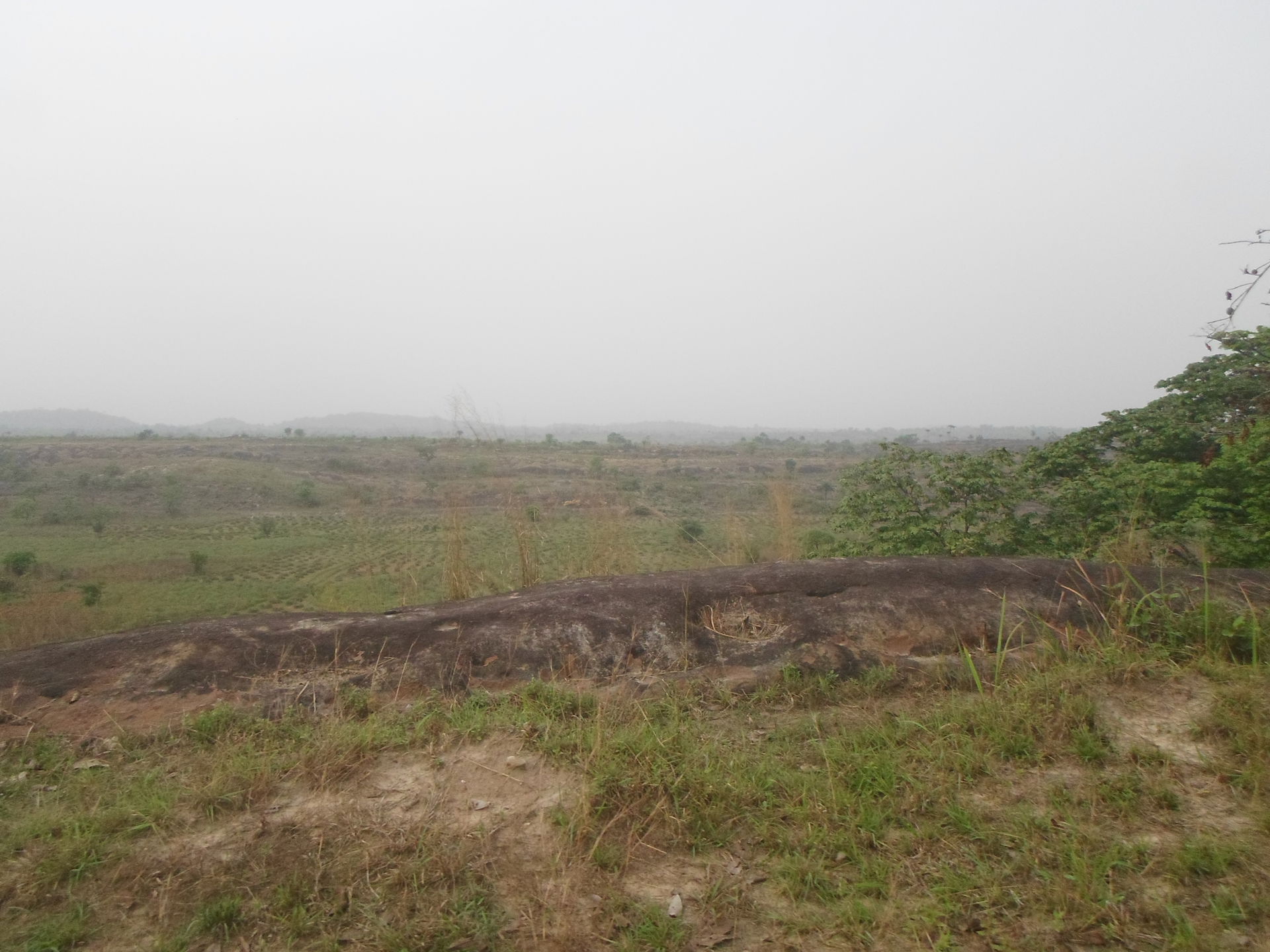
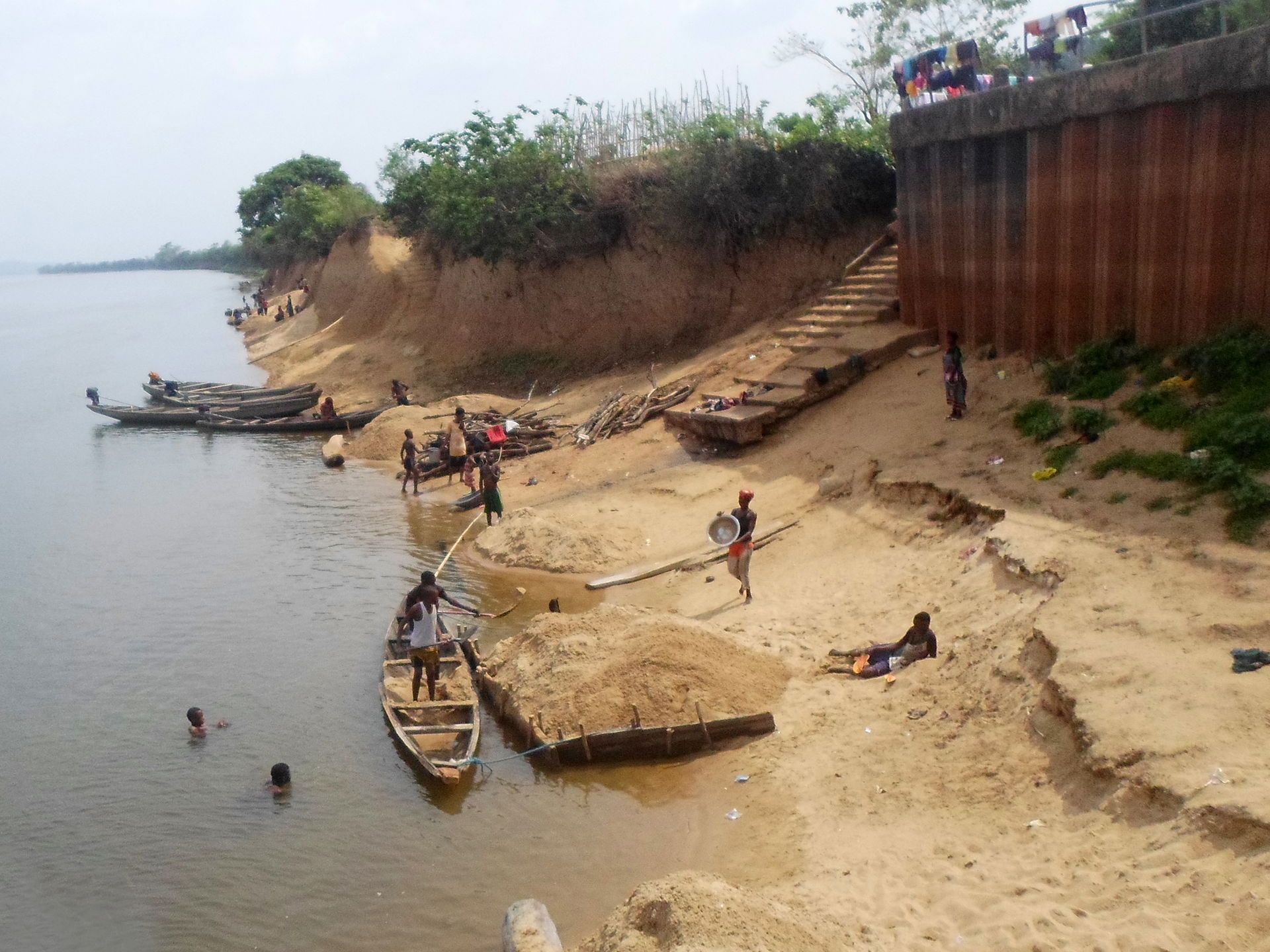
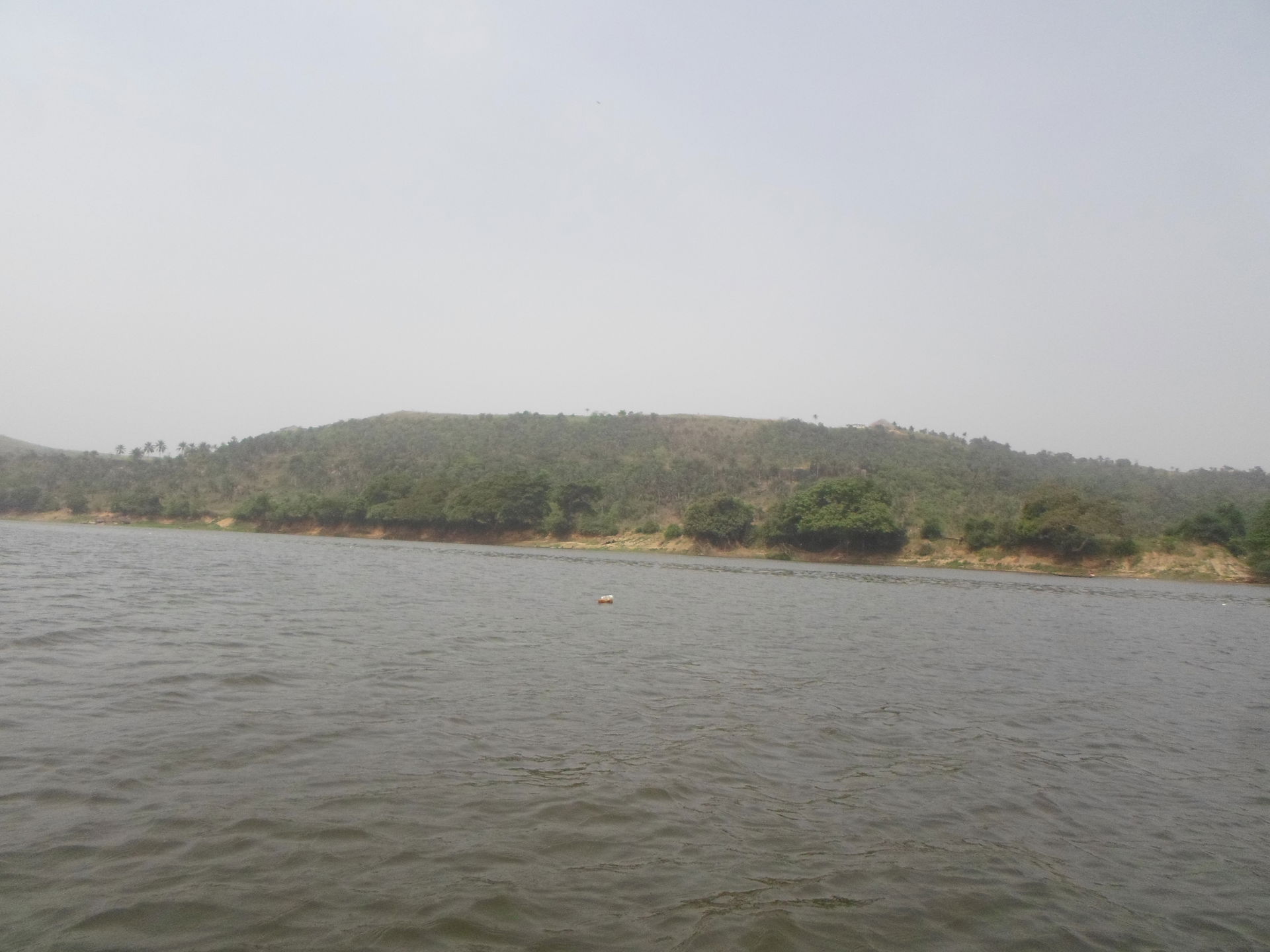
Ebonyi offers a grounded, authentic experience for those looking to move away from Nigeria’s hyper-urban chaos and into a more rhythmic, agrarian-focused lifestyle. It is a destination for professionals seeking a quiet base of operations, characterized by a sense of community and a significantly slower pace of life.
While the region provides a stable environment with respectable safety and healthcare standards, you should prepare for a lack of established expat infrastructure. Unlike Lagos or Abuja, you won't find dedicated international enclaves or sophisticated public transit networks here. Relocating to Ebonyi requires a high degree of self-sufficiency and a preference for understated living over cosmopolitan convenience.
Population
134,102
Area
187 km²
Density
719 per km²
Founded
-
Language
English
Distance to Coast
144 km
Districts & Neighborhoods in Ebonyi
Loading districts…
Climate & Weather in Ebonyi
Ebonyi, Nigeria has a humid tropical climate with distinct wet and dry seasons, aligning most closely with Köppen tropical savanna/monsoon conditions (Aw to Am). Long-term climate references indicate warm temperatures year-round, heavy rainfall in the wet season, and high humidity, while current overcast, near-saturated conditions are consistent with the region’s rainy-season atmosphere. The area is generally hot from late dry season into early wet season, with cooler conditions during peak rains and harmattan influence in the dry months.
Summer Average
29°C
Winter Average
26°C
Climate Type
Tropical monsoon
Rainy Days
210
Sunny Days
120
Humidity
70%
Spring
March - May
28-33°C
Hot conditions build into the rainy season, with increasing cloud cover and frequent thunderstorms. Humidity rises quickly and afternoons often feel oppressive.
High rainfall
Summer
June - August
26-30°C
This is typically the wettest part of the year, with frequent rain and persistent overcast skies. Temperatures are warm but moderated by heavy cloud cover and rainfall.
Very High rainfall
Autumn
September - November
27-32°C
Rainfall gradually decreases from the peak wet season, but September can still be very wet. By November, drier and sunnier conditions begin returning.
High rainfall
Winter
December - February
24-34°C
The dry season is warm to hot, with harmattan-drier air and more sunshine, especially in January and February. Nights can feel slightly cooler, but the climate remains tropical and generally warm.
Low rainfall
Loading Weather...
Air Quality
Ebonyi
Advantages
Ebonyi
Strong community bonds
Affordable cost of living
Rich cultural heritage
Agricultural productivity
Growing business opportunities
Disadvantages
Ebonyi
Limited higher education institutions
Few job opportunities locally
Poor infrastructure development
Inadequate healthcare facilities
Limited entertainment options
Safety & Security in Ebonyi
Overall Safety Score
Includes resilience and environmental factors
Moderate
58
/100
Nigeria Avg
52
Africa Avg
53
Worldwide Avg
56
Crime & Safety Metrics
Thermometer compares Ebonyi to Nigeria averages using different marker styles.Compare:
Ebonyi
Nigeria Average
No city-specific data available — showing Nigeria country averages instead.