This content was generated using artificial intelligence based on publicly available information. It is provided for general informational purposes only and does not constitute legal, tax, immigration, or professional advice. Information may be incomplete or outdated. Always verify with official sources before making decisions.
Data Source: Safety, crime, and quality metrics are sourced from Numbeo, a crowd-sourced global database of reported data.
All scores are relative comparisons on a 0-100 scale, where 50 = global average. Higher scores mean better than average, lower scores mean worse than average.
Owerri offers a distinct, high-energy lifestyle for professionals looking to embed themselves in the heart of southeastern Nigeria’s commercial pulse. Unlike the frantic pace of Lagos, the city provides a slightly more manageable rhythm, characterized by a growing hospitality scene and a strong sense of community. It is an ideal base for those working in regional development or energy sectors who value local integration over isolated expat enclaves.
Relocation here requires a pragmatic approach to logistics; while healthcare and transport are functional, you will likely rely on private arrangements to ensure consistent quality and ease of movement. While the cost of living remains highly favorable for international earners, the trade-off is a reliance on self-sufficiency for certain premium amenities.
Population
215,038
Area
-
Density
-
Founded
-
Language
English
Distance to Coast
82 km
Districts & Neighborhoods in Owerri
Loading districts…
Climate & Weather in Owerri
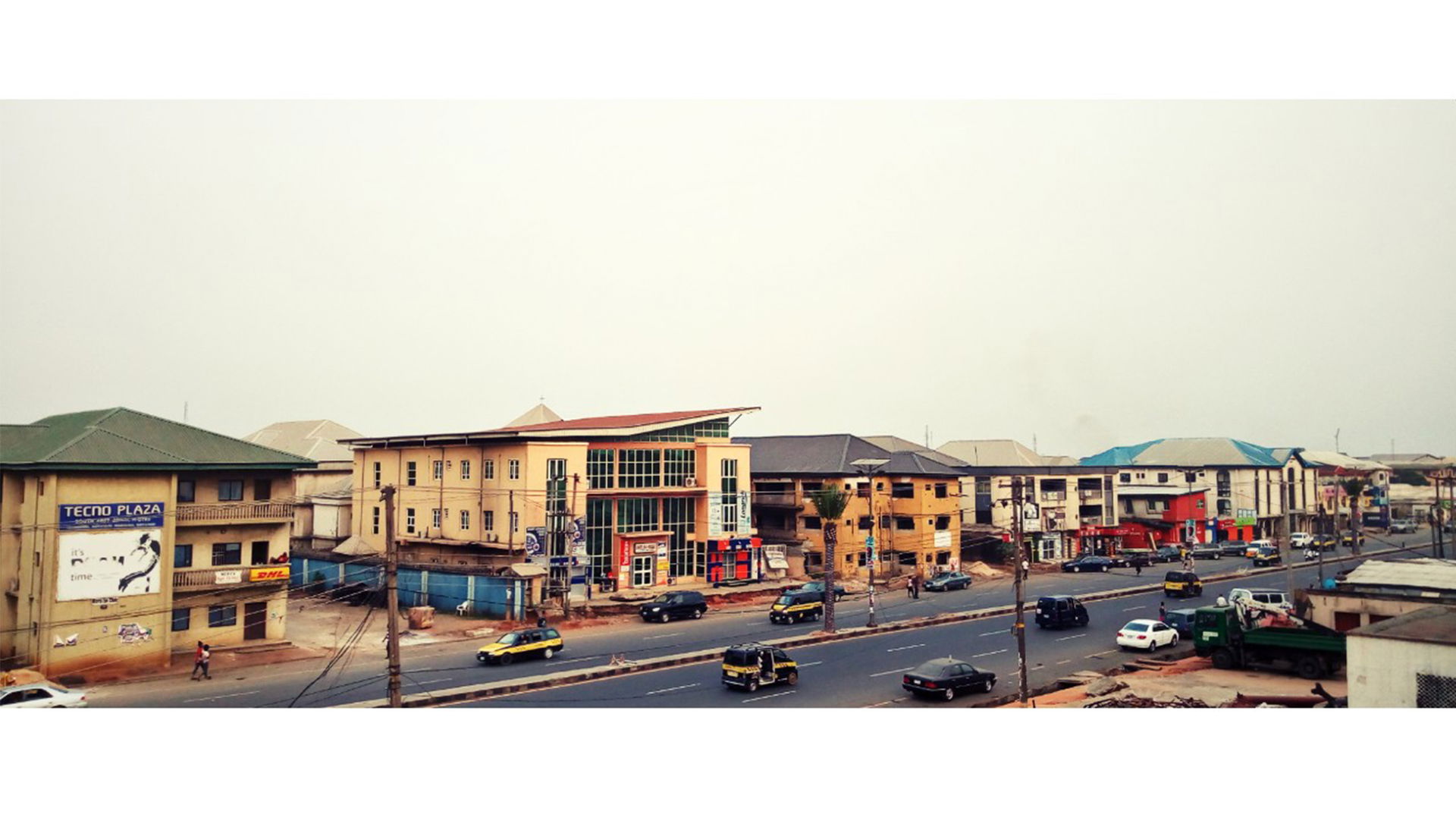
Owerri has a tropical monsoon climate (Köppen Am) with hot, humid conditions year-round and a pronounced rainy season. Long-term sources place average temperatures in the mid-20s °C, annual rainfall around 2,000–2,300 mm, and humidity typically high, consistent with a persistently moist southeastern Nigerian climate. The current overcast, very humid weather is also typical of the city’s wet season conditions.
Summer Average
29°C
Winter Average
26°C
Climate Type
Tropical Monsoon
Rainy Days
245
Sunny Days
80
Humidity
80%
Spring
March - May
26-30°C
Hot and increasingly wet, with rising humidity and frequent thunderstorms as the rainy season builds. Afternoon rainfall becomes more common and cloud cover increases.
High rainfall
Summer
June - August
24-27°C
This is the core rainy period, with frequent heavy showers, overcast skies, and slightly cooler daytime temperatures than the hottest months. Humidity stays very high and sunshine is limited.
Very High rainfall
Autumn
September - November
25-29°C
Rainfall begins to ease after the wettest months, but September can still be very rainy before drier conditions return in November. Temperatures rise again as cloudiness decreases.
Moderate rainfall
Winter
December - February
27-31°C
The dry season is warmer and sunnier, though mornings can feel less hot when Harmattan influence is present. Rain is limited compared with the rest of the year, but humidity remains moderately high.
Low rainfall
Loading Weather...
Air Quality
Owerri
Advantages
Owerri
Affordable cost of living
Strong religious community
Growing business opportunities
Welcoming local culture
Central southeastern location
Disadvantages
Owerri
Poor road infrastructure
Inconsistent power supply
Limited job opportunities
Inadequate healthcare facilities
Flooding during rainy season
Safety & Security in Owerri
Overall Safety Score
Includes resilience and environmental factors
Moderate
55
/100
Nigeria Avg
52
Africa Avg
53
Worldwide Avg
56
Crime & Safety Metrics
Thermometer compares Owerri to Nigeria averages using different marker styles.Compare:
Owerri
Nigeria Average
Safety Index
0510
Low
Safety from Crime
0510
Concerning
Safe Alone (Day)
0510
Moderate
Safe Alone (Night)
0510
Critical
Safety from Violent Crime
0510
Dangerous
Safety from Property Crime
0510
Dangerous
Environmental & Natural Hazard Risks
Resilience Score: 64/100
No data for Owerri — showing hazard indicators from nearby Yenagoa (~98 km).