This content was generated using artificial intelligence based on publicly available information. It is provided for general informational purposes only and does not constitute legal, tax, immigration, or professional advice. Information may be incomplete or outdated. Always verify with official sources before making decisions.
Data Source: Safety, crime, and quality metrics are sourced from Numbeo, a crowd-sourced global database of reported data.
All scores are relative comparisons on a 0-100 scale, where 50 = global average. Higher scores mean better than average, lower scores mean worse than average.
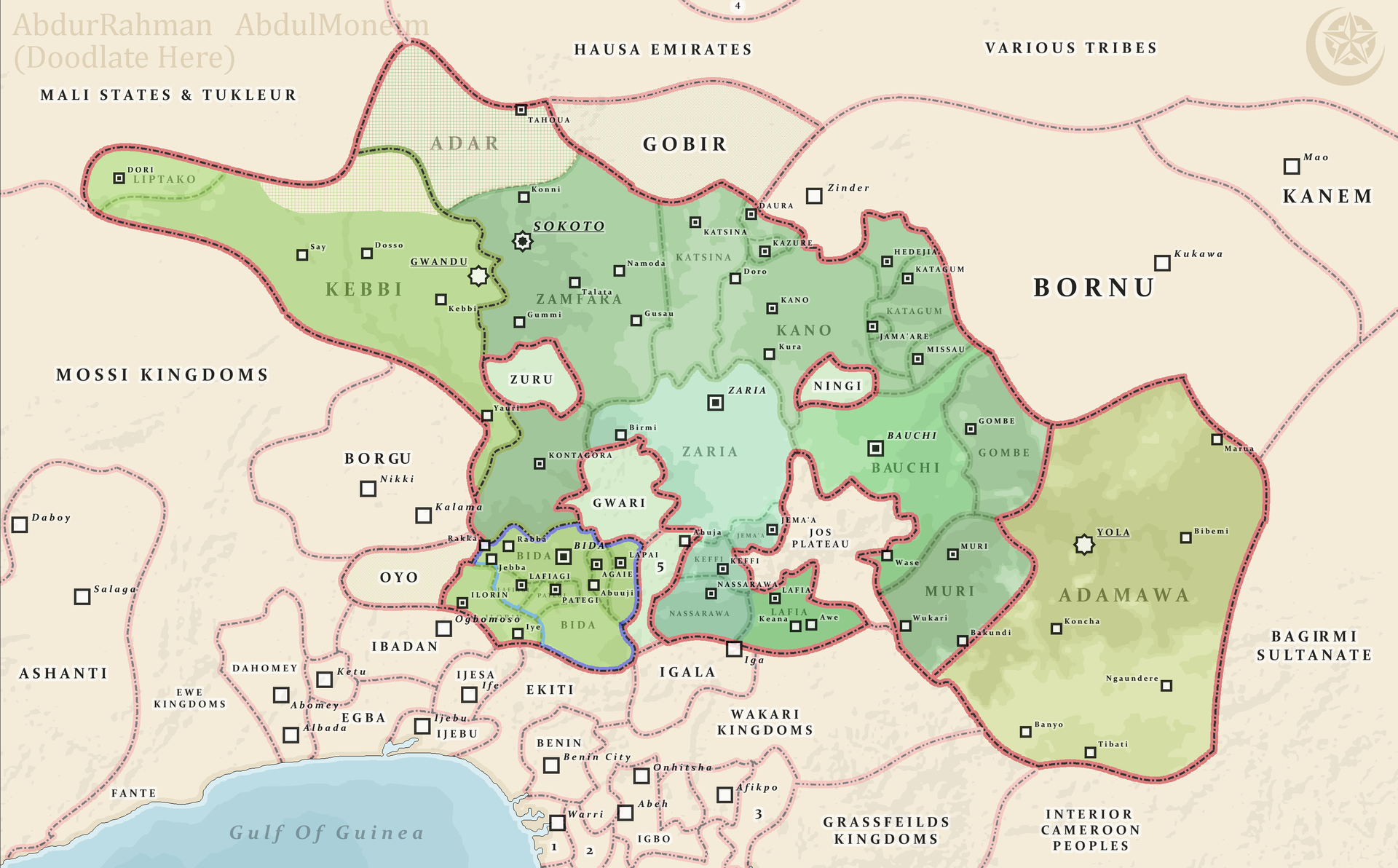
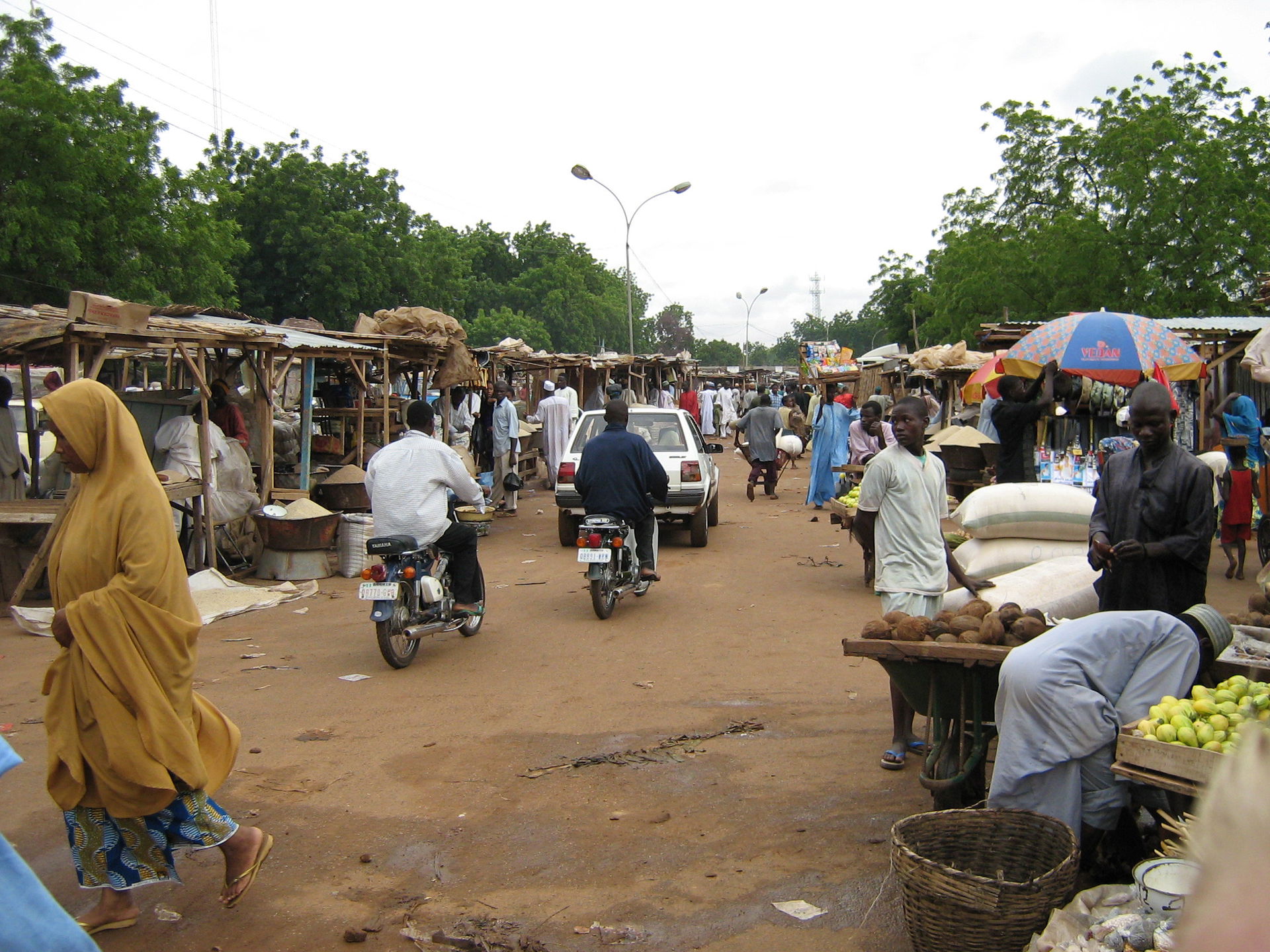
Sokoto offers a profound immersion into Northern Nigerian culture, appealing to those seeking a slower, more traditional pace of life far from the frantic energy of Lagos. It is a city defined by its historical depth and a sense of community that is both welcoming and deeply rooted. For professionals, the lifestyle is characterized by predictability and a lower cost of living, though it lacks the cosmopolitan amenities found in larger hubs.
While the local infrastructure and healthcare provide a functional baseline for daily life, you should prepare for a more isolated existence. The absence of established expat enclaves means you will need to be highly self-reliant, navigating a landscape where modern conveniences and international connectivity are not always immediate.
Sokoto has a hot semi-arid climate (Köppen BSh) with very hot temperatures for much of the year, a long dry season, and a short rainy season. Long-term climate sources describe it as one of Nigeria’s hotter cities, with annual rainfall around 34 to 473 mm depending on dataset coverage and roughly 47 to 57 rainy days per year. The current weather is consistent with its dry, hot conditions, though long-term averages are cooler than peak daytime readings.
Summer Average
33°C
Winter Average
24°C
Climate Type
Hot semi-arid
Rainy Days
47
Sunny Days
320
Humidity
40%
Spring
March - May
30-40°C
Spring is extremely hot and increasingly dry, with temperatures often climbing well above 35°C before the rains begin. Dusty conditions are common, and late spring may bring the first scattered thunderstorms.
Low rainfall
Summer
June - August
28-35°C
Summer coincides with the main rainy season, so temperatures are still hot but are somewhat moderated by cloud cover and showers. Rainfall is highest in this period, especially in July and August.
High rainfall
Autumn
September - November
26-36°C
Autumn sees the rains taper off and the weather become hotter and drier again. September can still be wet, but by November conditions are usually very dry.
Moderate rainfall
Winter
December - February
18-33°C
Winter is the dry season, with warm to very hot days and cooler nights, especially when Harmattan winds arrive. Rain is rare, and skies are often clear or hazy.
Very Low rainfall
Loading Weather...
Air Quality
Sokoto
Advantages
Sokoto
Rich Islamic heritage sites
Strong community bonds
Low cost of living
Historical cultural significance
Growing business opportunities
Disadvantages
Sokoto
No universities locally
Limited job opportunities
Poor infrastructure quality
Inadequate healthcare facilities
Water scarcity issues
Safety & Security in Sokoto
Overall Safety Score
Includes resilience and environmental factors
Poor
33
/100
Nigeria Avg
52
Africa Avg
53
Worldwide Avg
56
Crime & Safety Metrics
Thermometer compares Sokoto to Nigeria averages using different marker styles.Compare: