
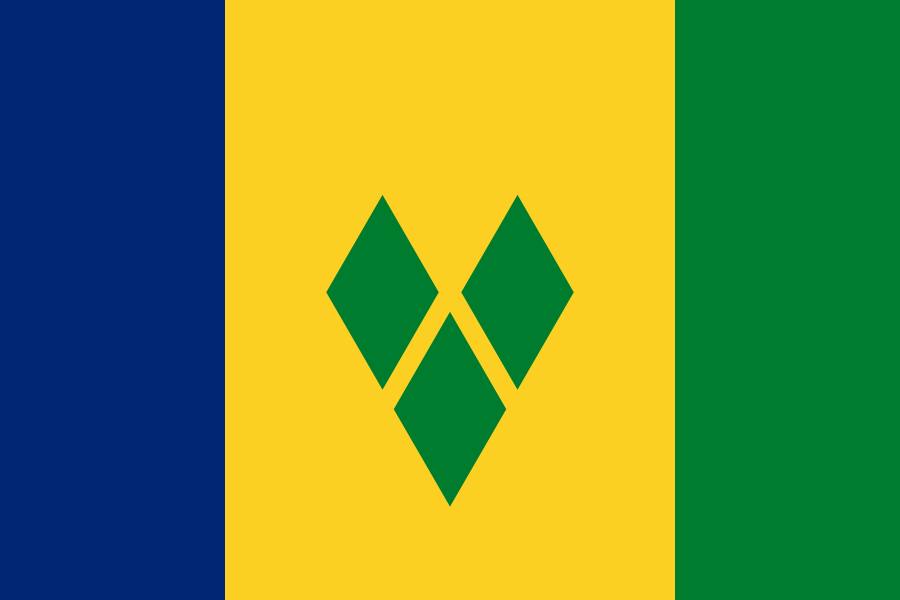
 Social Integration Guide · Saint Vincent And The Grenadines
Social Integration Guide in Saint Vincent And The Grenadines
Expat communities, cultural integration, and social life
Saint Vincent and the Grenadines, a small Caribbean island nation with approximately 111,000 residents, offers a warm and welcoming environment for newcomers. The English-speaking population, strong Christian community, and tight-knit social fabric create opportunities for cultural integration, though the small size means limited expat infrastructure compared to larger Caribbean destinations.
Cultural Integration Score
Saint Vincent and the Grenadines offers moderate cultural integration ease. English is the official language, eliminating major communication barriers. The island's small population and tourism-oriented economy mean locals are accustomed to visitors. However, integration requires active effort—the tight-knit community means outsiders are noticed, and formal integration programs are limited. Success depends on genuine interest in local culture, participation in community activities, and respect for strong Christian values.
Expat Community
The expat community in Saint Vincent and the Grenadines is small and dispersed, estimated at 2-3% of the population. Expats include retirees, remote workers, business owners, educators, and tourism professionals. The community is less organized than in larger Caribbean destinations, with limited formal expat groups or associations. Expats report that integration requires initiative and genuine interest in local culture. The small size means expats often know each other and form informal networks. Kingstown and resort areas have higher expat concentrations.
- Kingstown
- Bequia
- Mustique
- Union Island
Social Activities
Expats in Saint Vincent and the Grenadines engage primarily in outdoor and water-based activities. Beach culture, diving, and sailing are popular. Hiking volcanic peaks and exploring nature attracts adventure-oriented expats. Informal social gatherings occur at restaurants, bars, and beaches. Carnival provides major social events. Expats often organize informal meetups and dinners. Yoga and wellness activities are growing. The small expat community means social activities are often self-organized rather than formally structured.
- Beach and water sports (diving, snorkeling, sailing)
- Hiking and nature exploration
- Expat social gatherings and informal meetups
- Carnival and cultural festivals
- Restaurant and bar socializing
- Boating and island hopping
- Yoga and wellness activities
- Book clubs and hobby groups
Religious Facilities
Expats have access to diverse religious facilities in Saint Vincent and the Grenadines. Christian churches (Anglican, Pentecostal, Methodist, Catholic) are widely available and welcoming to expats. Smaller communities of Hindu, Muslim, and other faith practitioners exist, particularly in Kingstown. Churches often have English-language services and international congregations. Expats report that churches are welcoming and provide community connection. Online religious resources supplement in-person worship for those seeking specific denominations.
- Anglican Church
- Pentecostal churches
- Roman Catholic Church
- Methodist Church
- Seventh Day Adventist
- Hindu temples
- Muslim prayer facilities
Volunteer Opportunities
Expats find volunteer opportunities in Saint Vincent and the Grenadines through environmental organizations, schools, healthcare facilities, and community development projects. Environmental conservation, particularly marine protection, attracts many expat volunteers. Educational institutions welcome volunteer teachers and tutors. Healthcare organizations need medical professionals. Community development projects focus on disaster preparedness and sustainable development. Volunteering provides meaningful integration and community connection. Opportunities require direct outreach to organizations.
- Marine conservation and environmental protection
- Education and English language teaching
- Healthcare and medical services
- Disaster preparedness and emergency response
- Community development projects
- Youth mentorship and skills training
Dating & Relationships
Expats report mixed experiences with dating in Saint Vincent and the Grenadines. The small population limits dating pool. Online dating apps have limited user bases. Expats often meet partners through social networks, work, or community activities. Locals are generally open to dating foreigners, particularly in tourist areas. Long-term relationships often develop through extended social circles. Cultural differences around commitment and family involvement require communication and understanding. Expat women report more dating opportunities than men.
Cultural Note: Respect local cultural values and family importance. Be transparent about intentions and commitment level. Understand that traditional gender roles influence dating dynamics. Church and community events are natural meeting places. Building genuine friendships often precedes romantic relationships. Be aware of economic disparities and ensure relationships are based on mutual respect.
Professional Networking
Professional networking for expats in Saint Vincent and the Grenadines requires proactive engagement. The Chamber of Commerce provides formal business connections. Tourism and hospitality sectors offer networking opportunities. Remote workers and digital nomads connect through informal online communities and co-working spaces. Educational institutions provide academic networking. Government agencies and NGOs offer development-focused connections. LinkedIn presence is limited, so in-person networking and personal introductions are essential. Success depends on building genuine relationships and participating in community business events.
- Tourism and hospitality industry networks
- Remote work and digital nomad communities
- Business development and entrepreneurship groups
- Educational institutions and academic networks
- Healthcare and professional services
- Government and development organizations
- Informal business gatherings
More Insights for your Move to Saint Vincent And The Grenadines
Comprehensive guides and data-driven analysis.
Budget & Expenses
Is your lifestyle affordable? From grocery prices to utility bills, see how costs compare to your home.
Read guideEnvironment & Health
Is it healthy to live here? Check air quality, green spaces, and sustainability policies.
Read guidePolitics & Governance
Understand the political system, stability indicators, and democratic institutions that shape daily life.
Read guide