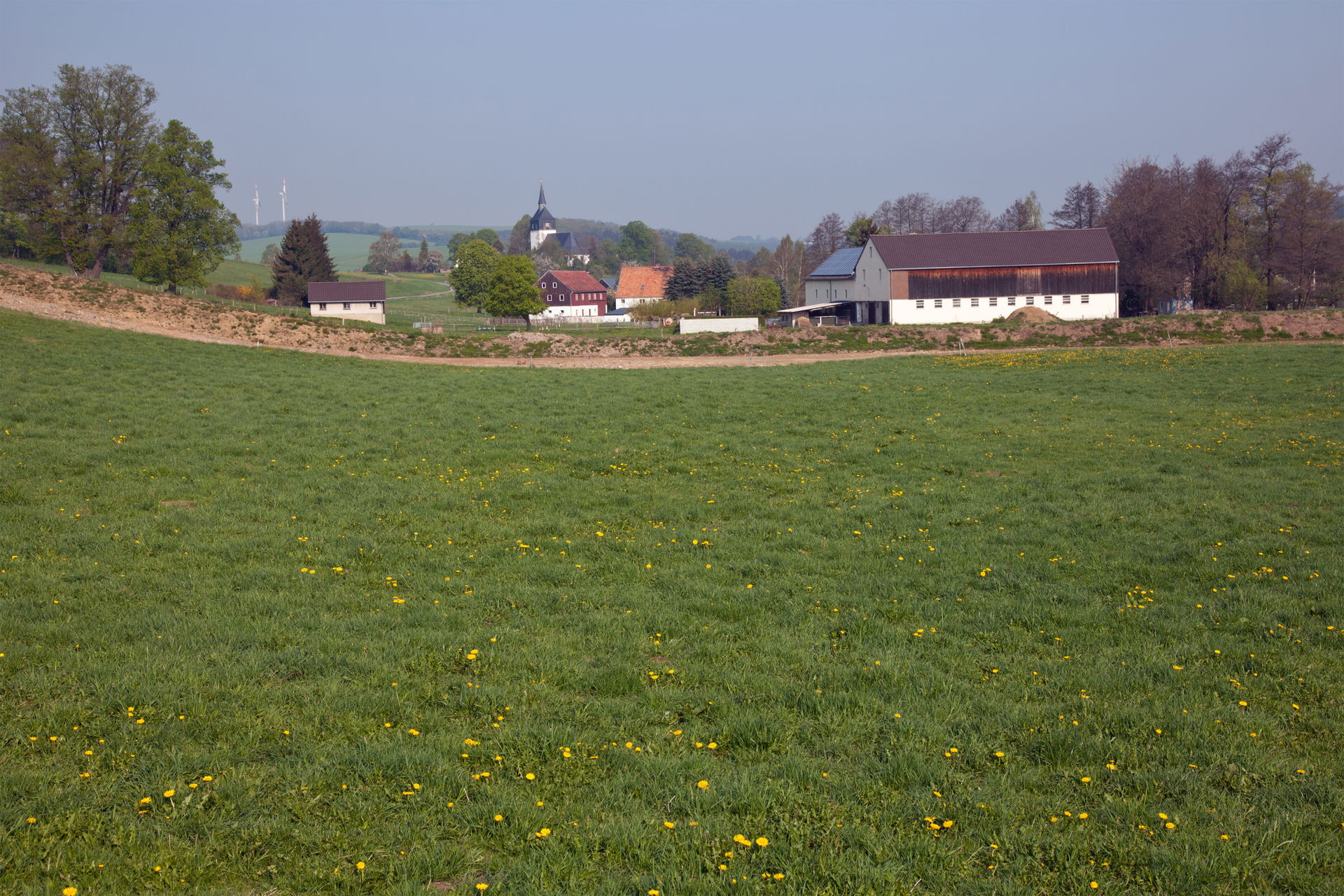
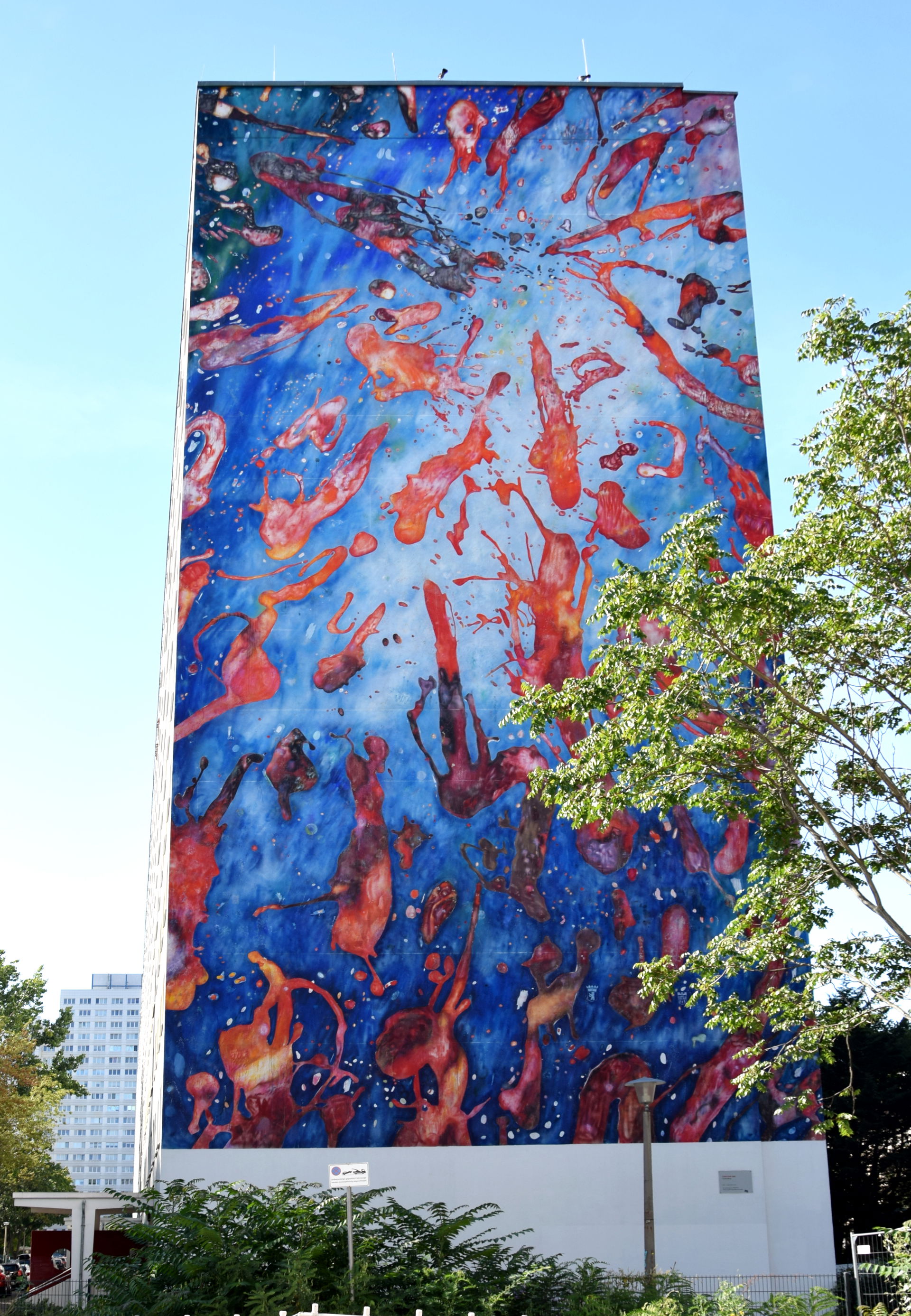
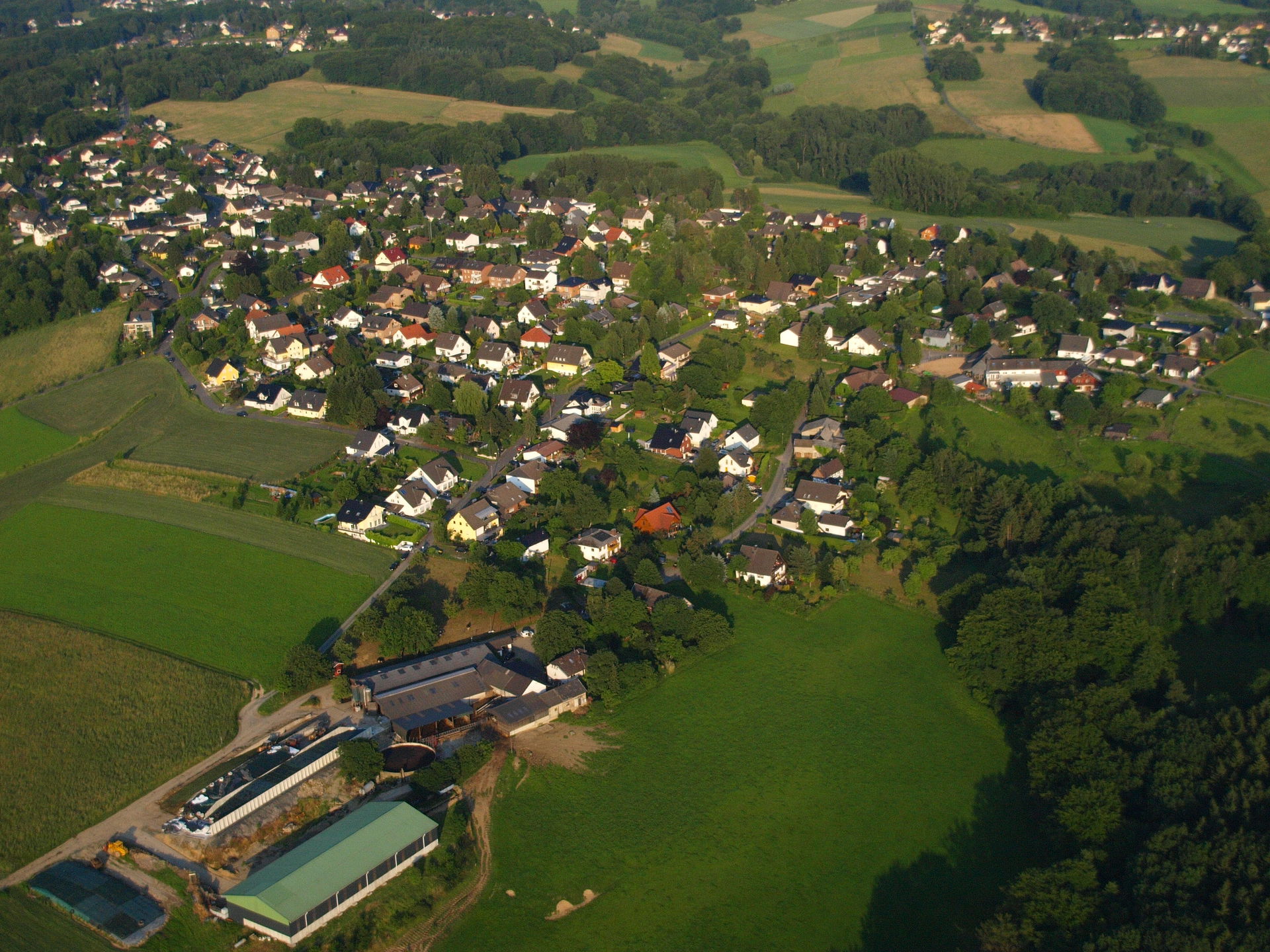
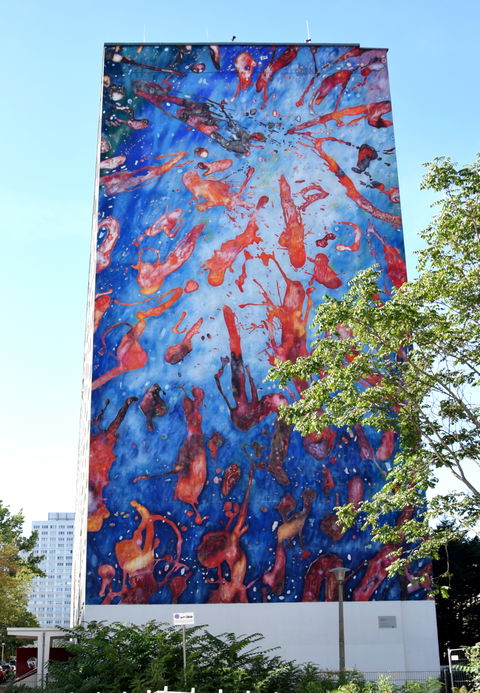
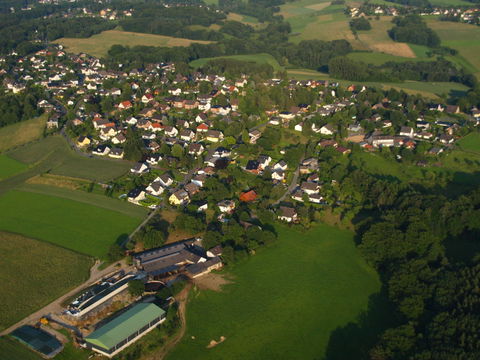
Lichtenberg, an eastern Berlin borough with a population of over 318,000 residents across an area of 52.14 square kilometers, offers a diverse living experience. Historically part of East Berlin, it has evolved into a district characterized by a blend of old and new. Its overall vibe is mixed, featuring both quiet, residential stretches and areas with a more modern and industrial character. The architecture is varied, ranging from Wilhelminian-era buildings and 1920s structures to the more prevalent prefabricated concrete high-rises, alongside some newer, luxurious developments and villas, particularly in neighborhoods like Karlshorst.
The district is noted for its high family-friendliness, supported by a moderate number of schools and kindergartens. It offers a moderate amount of green space, ranking 8th among 12 city districts, with numerous parks, playgrounds, and forests, including the extensive Tierpark Berlin, Europe's largest animal park. While its nightlife is considered low, with fewer bars and nightclubs compared to some central areas, Lichtenberg provides ample opportunities for recreation with many sports facilities, swimming pools, and extensive cycleways. The presence of various waters, including rivers and canals, offers local recreational spots, such as the Rummelsburger Bucht and Orankesee, despite not being primarily defined by water proximity.
Lichtenberg boasts moderate public transport connections, including U-Bahn (U5), S-Bahn lines (S5, S7, S75, and the Ringbahn), a comprehensive tram network, and numerous bus routes, making travel across Berlin accessible. The district exhibits moderate internationality and diversity, notably hosting a significant hub for Asian culture and commerce. Recent years have seen substantial urban development, with several large residential projects underway or planned, aiming to introduce thousands of new apartments, including social housing and student accommodations, alongside new schools and commercial spaces.
For those considering relocation, Lichtenberg presents a relatively affordable housing market compared to more central Berlin districts. Approximate buying prices are around 5300 EUR per square meter for apartments and 5800 EUR per square meter for houses, with rental prices averaging 16.5 EUR per square meter for apartments and 15.5 EUR per square meter for houses. The district is particularly suitable for families seeking a community-oriented environment with good access to green spaces and educational facilities. Its evolving character, combined with ongoing residential developments and good transport links, also makes it an option for students and young professionals looking for more space and affordability, as well as professionals seeking a balance between urban amenities and a quieter residential setting. Retirees may appreciate the calm atmosphere and community initiatives.
This content was generated using artificial intelligence based on publicly available information. It is provided for general informational purposes only and does not constitute legal, tax, immigration, or professional advice. Information may be incomplete or outdated. Always verify with official sources before making decisions.