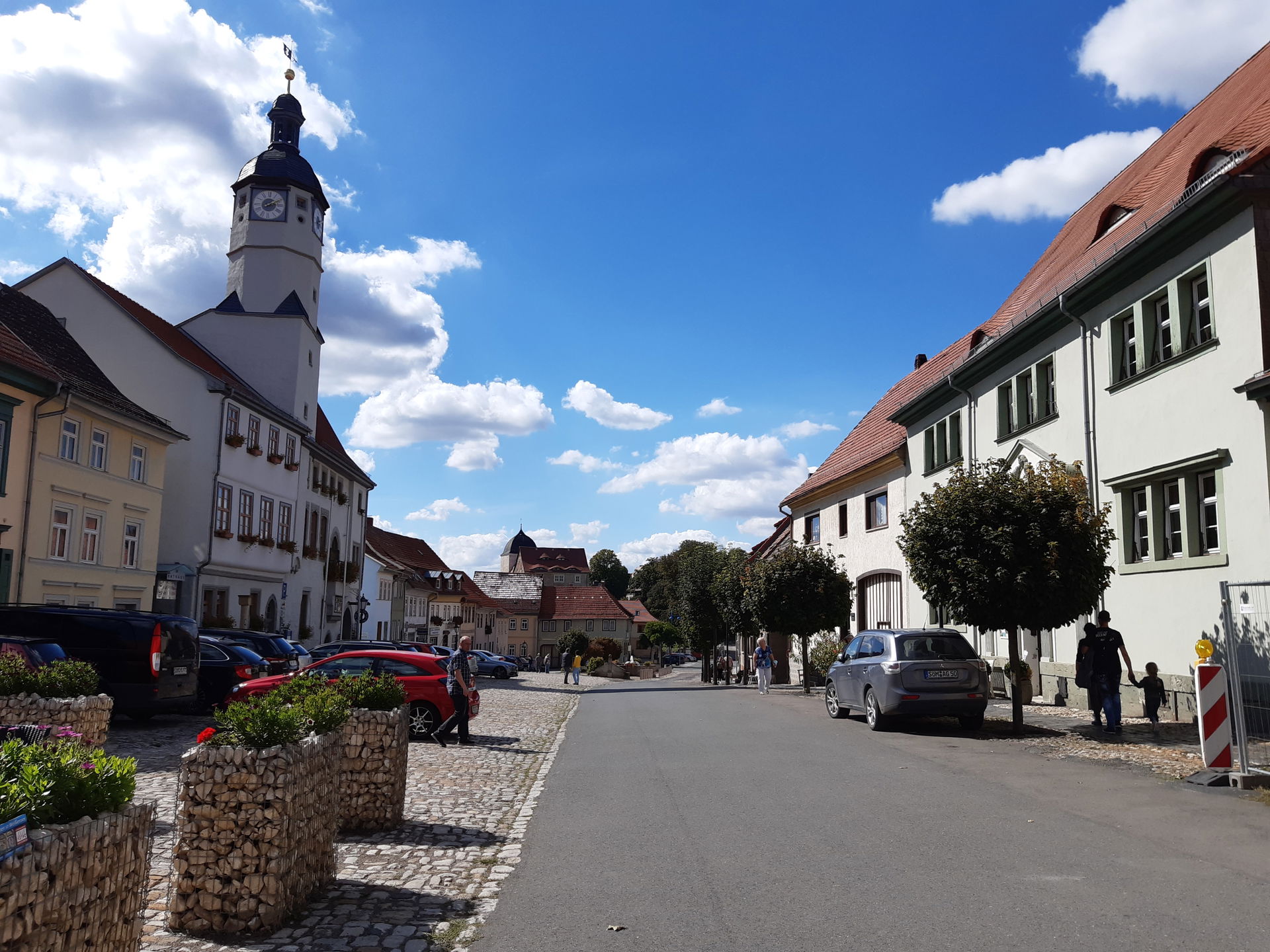
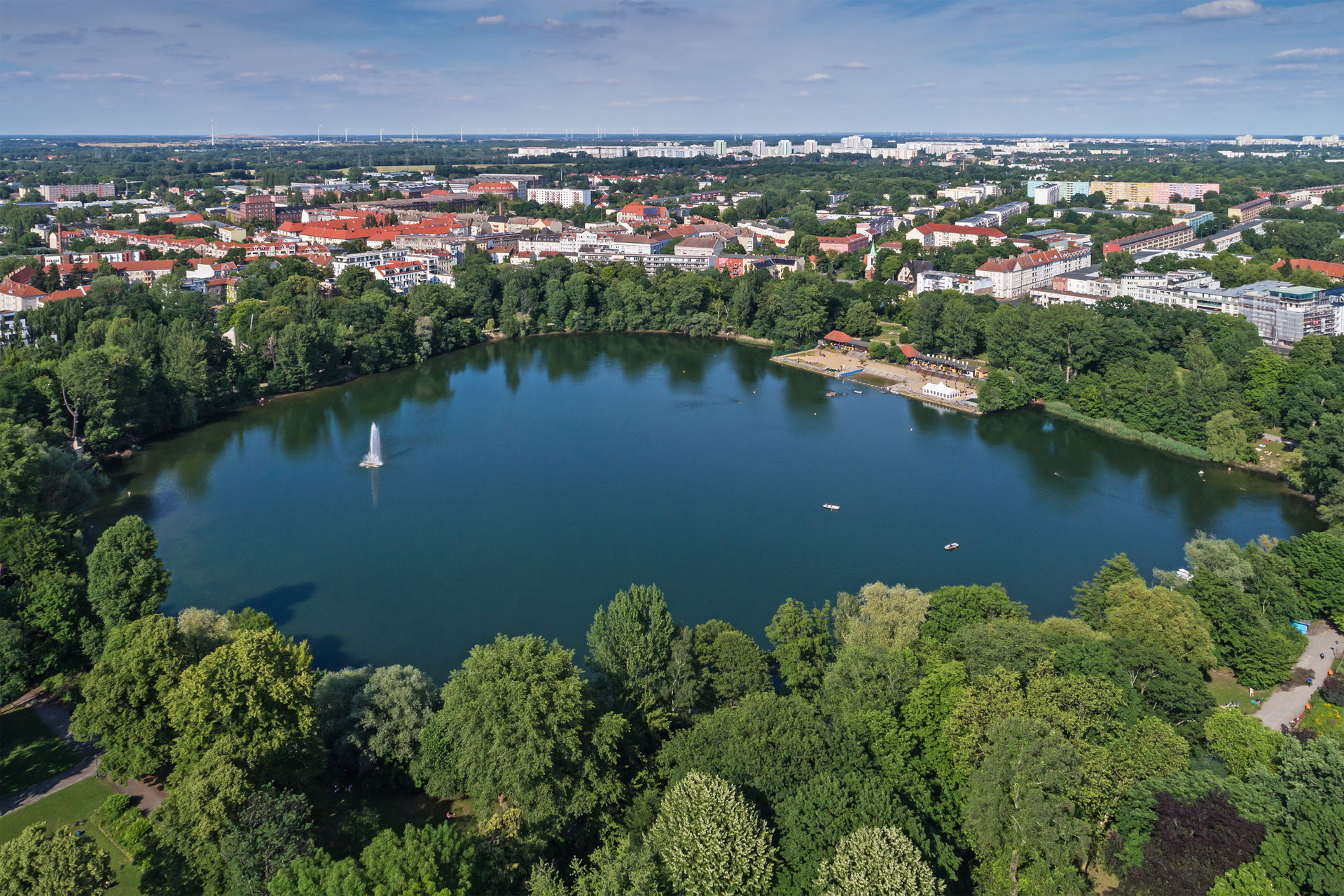
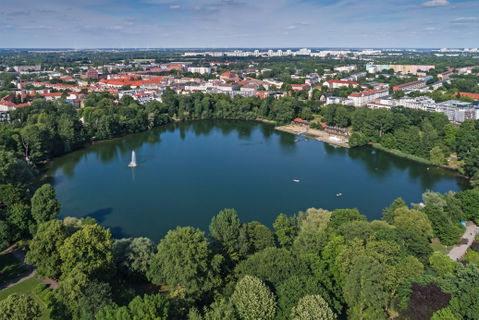
Weißensee, a district nestled within Berlin's Pankow borough, draws its name from the picturesque Weißer See, or White Lake, which serves as a central feature of the area. With a population of approximately 58,297 spread across 7.93 square kilometers, it offers a distinct character that balances urban accessibility with a more residential, almost small-town atmosphere. While generally possessing a low modern character, the district has a moderate historic feel, with a mix of older buildings and newer developments. Despite a city-wide classification of very low green space, residents benefit from numerous local parks, including the Weißenseer Park with its lido, and the nature reserve Am Faulen See, providing ample opportunities for outdoor activities around the lake. The district is considered highly walkable and boasts a high level of public transport connectivity, making it a well-connected yet relatively quieter alternative to Berlin's more bustling central areas.
The district is highly regarded for its family-friendliness and high school quality, supported by 23 schools, 29 kindergartens, and 82 playgrounds. Healthcare is well-provided with 29 doctors, 15 dentists, and 3 hospitals. For daily needs and leisure, Weißensee offers a good selection of facilities, including 21 supermarkets, 17 bakeries, 72 restaurants, and 21 cafes. While nightlife is moderate with 21 bars and 2 nightclubs, the presence of the Weißensee Art Academy contributes to a lively local art scene, with galleries and cultural venues like cinemas and theatres.
Public transportation is a strong point, featuring 76 bus stops and 35 tram stops, including lines like the M2 and M4, which offer direct routes to central Berlin, with some areas being just a 15-20 minute journey from Alexanderplatz. Although the district itself does not have S-Bahn or U-Bahn stations, nearby areas offer connections to city train lines. Cycling is moderately friendly, supported by nearly 8 kilometers of cycleways. Road connections are also efficient, with easy access to the Berliner Ring highway.
Weißensee is increasingly seen as an attractive option for those seeking a balance between urban living and a more tranquil environment, particularly as housing in neighboring trendy districts becomes scarcer and more expensive. Recent residential developments, including new apartment complexes, cater to diverse needs, often incorporating family-friendly amenities. This makes Weißensee particularly suitable for families, students drawn by the Art Academy, young couples, and professionals looking for a well-connected, amenity-rich district that still offers a good quality of life at a more accessible price point than some of Berlin's more central locations.
This content was generated using artificial intelligence based on publicly available information. It is provided for general informational purposes only and does not constitute legal, tax, immigration, or professional advice. Information may be incomplete or outdated. Always verify with official sources before making decisions.