


Überlegenswert
Überlegenswert
Lebensqualitätsindex von 100
Turkmenistan
Russian
Turkmenistan
Turkmenistan bietet hohe Lebensqualität zu weltweit durchschnittlichen Kosten – Ihr westliches Gehalt reicht in dieser erschwinglichen zentralasiatischen Oase weit.
Wie es ist, in Turkmenistan zu leben
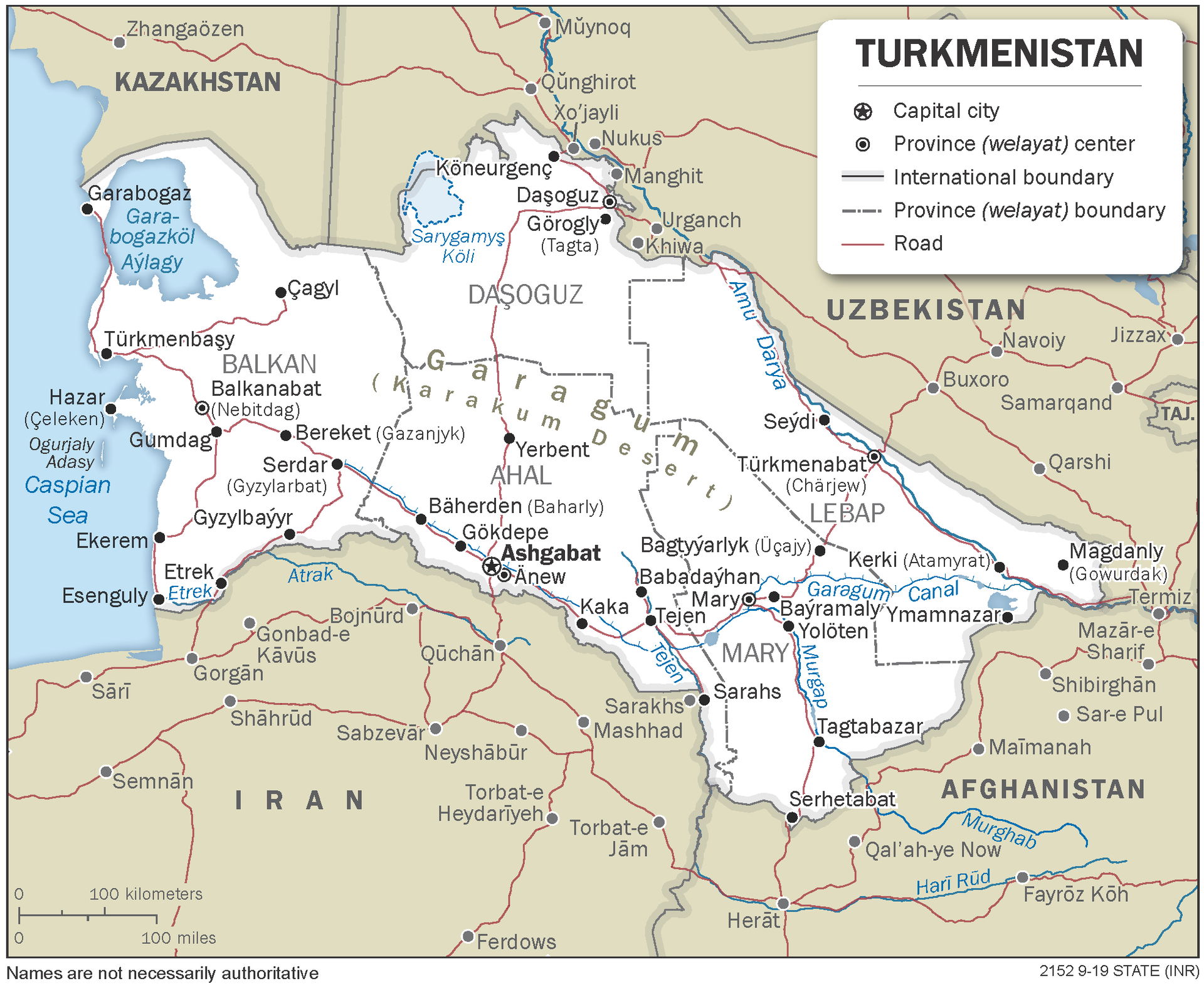
Turkmenistan ist ein Binnenstaat in Zentralasien, der an Kasachstan, Usbekistan, Afghanistan und Iran grenzt. Das Land ist überwiegend von der Karakum-Wüste bedeckt und zeichnet sich durch eine raue, trockene Landschaft aus, die durch extreme Tempera...
Dein Turkmenistan-Fahrplan
40+ seitige persönliche Umzugsanalyse — Visaweg, Steuerstrategie, Stadtteilguide, Gesundheitsversorgung und mehr.
- ✓Visa- & Aufenthaltsweg
- ✓Steueroptimierung
- ✓Stadtteilguide
- ✓Gesundheitsversorgung & Schulen
- ✓Kostenaufschlüsselung
Gesundheitswesen
- Das Gesundheitssystem Turkmenistans ist überwiegend öffentlich und staatlich finanziert. Die Leistungen sind für Bürger und Einwohner im Allgemeinen kostenlos, der Zugang für Ausländer kann jedoch bürokratisch sein.
- Die Qualität der Gesundheitsversorgung schwankt erheblich, wobei sich die besten Einrichtungen auf die Hauptstadt Aschgabat konzentrieren und oft hinter westlichen Standards zurückbleiben, insbesondere außerhalb städtischer Gebiete.
- Aufgrund der Einschränkungen bei der Versorgung vor Ort wird Ausländern und Expats dringend empfohlen und oft auch dazu aufgefordert, eine umfassende internationale Krankenversicherung abzuschließen, einschließlich einer medizinischen Evakuierungsversicherung.
Turkmenistan unterhält eines der strengsten Visaregime der Welt. Für die meisten internationalen Reisenden, darunter Bürger der Vereinigten Staaten, des Vereinigten Königreichs, Kanadas, Australiens und der EU-Länder, ist ein Touristenvisum erforderlich und wird normalerweise erst nach Erhalt eines vom staatlichen Migrationsdienst Turkmenistans beglaubigten Einladungsschreibens (LOI) ausgestellt. In der Praxis beantragen Besucher normalerweise ein lizenziertes turkmenisches Reisebüro oder eine Botschaft/ein Konsulat, und der LOI ist das Schlüsseldokument, das die Ausstellung eines Visums ermöglicht. Eine bemerkenswerte Ausnahme ist das Visum bei Ankunft am...
Städte in Turkmenistan entdecken
Alle Städte in Turkmenistan anzeigenErstelle dein kostenloses Profil, um personalisierte Match-Scores zu sehen.



Reisehinweise, Gefahren und Konfliktindikatoren
Was andere Regierungen aktuell zu Reisen in dieses Land empfehlen
Lebenshaltungskosten, Wohnen, Einkommen und Kaufkraft
Einkommensteuer, Körperschaftsteuer und Steuersystem
Arbeitsmarkt, Geschäftsumfeld und Arbeitsgenehmigungen
Internationale Schulen, Universitäten und Bildungssystem
Rente, Ruhestandswege und Finanzplanung
Saisonale Temperaturen, Niederschlag und Sonnenschein
Landesfotos und Landschaften
Bevölkerung, Sprachen und ethnische Zusammensetzung
Alltägliches Expat-Leben und praktische Tipps
ÖPNV, Flughäfen und Fortbewegung
Aufenthalt, Immobilien und rechtlicher Rahmen
Luftqualität, Grünflächen und Nachhaltigkeit
Regierung, Wahlen und politische Landschaft
Standortübersicht, Lebenshaltungskostenindex und Kaufkraft
Wirtschaftlicher und geografischer Überblick
Perspektiven und Erfahrungen der Expat-Community
Community & Diskussion
Hör auf zu
suchen und fang an zu ziehen?
Erstelle einen persönlichen Umzugsfahrplan — Visaweg, 3 ausgewählte Städte, Steuern & Zeitplan.
This content was generated using artificial intelligence based on publicly available information. It is provided for general informational purposes only and does not constitute legal, tax, immigration, or professional advice. Information may be incomplete or outdated. Always verify with official sources before making decisions.
Datenquelle: Sicherheits-, Kriminalitäts- und Qualitätsmetriken stammen von Numbeo, einer crowdgesourcten globalen Datenbank gemeldeter Daten.
Alle Werte sind relative Vergleiche auf einer Skala von 0-100, wobei 50 = globaler Durchschnitt. Höhere Werte bedeuten besser als der Durchschnitt, niedrigere Werte bedeuten schlechter als der Durchschnitt.
Gemeinschaft, kulturelle Integration und Expat-Leben