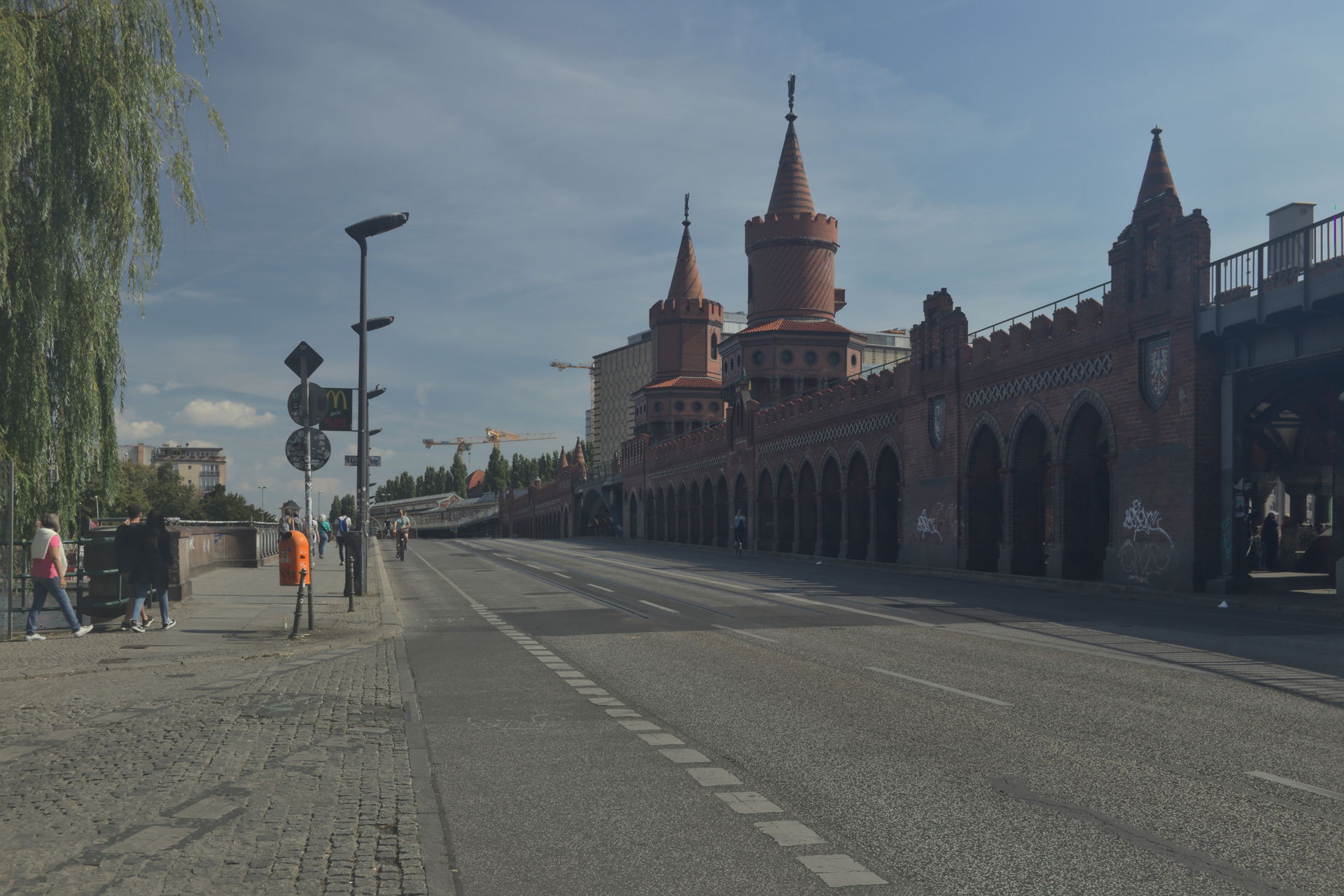
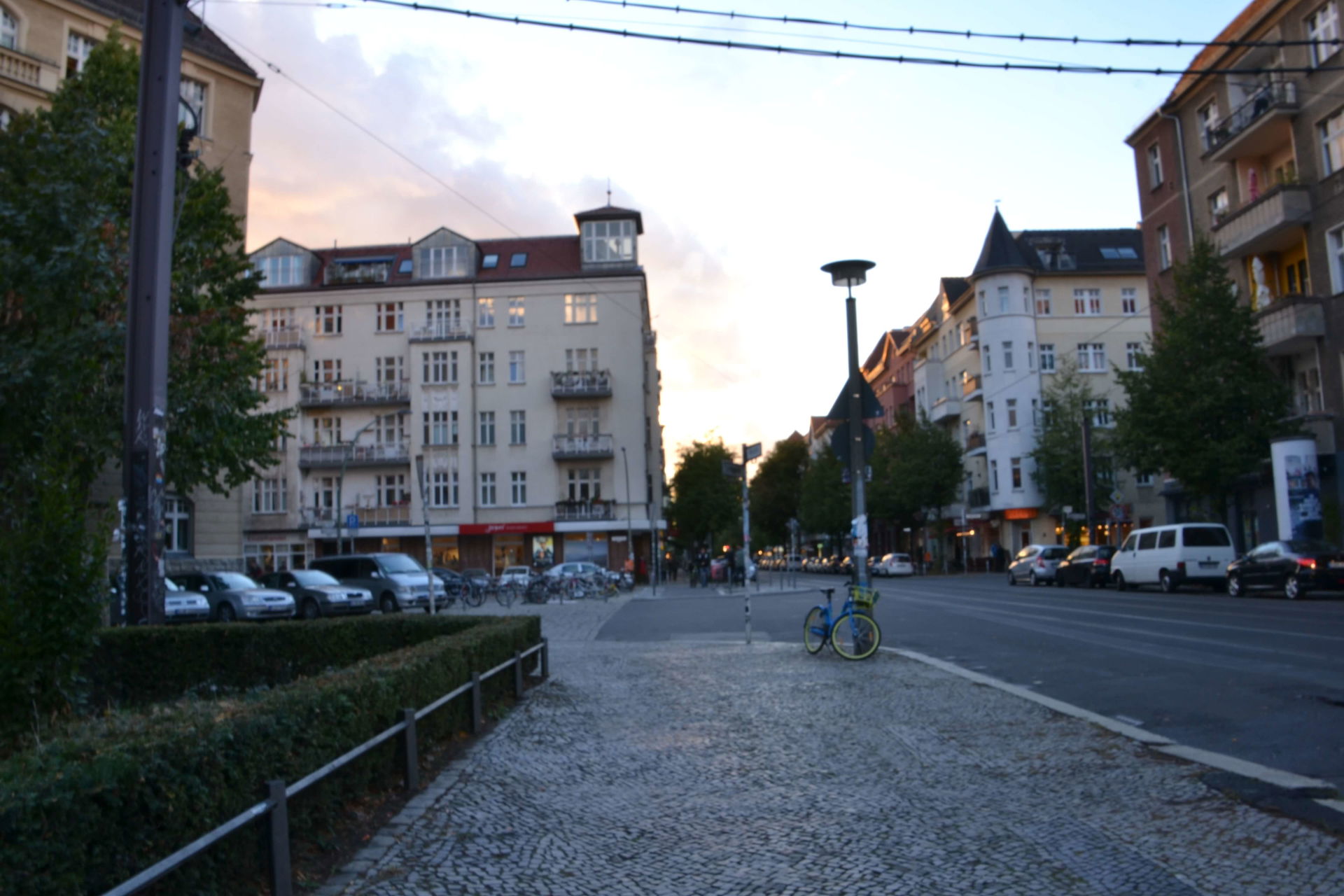
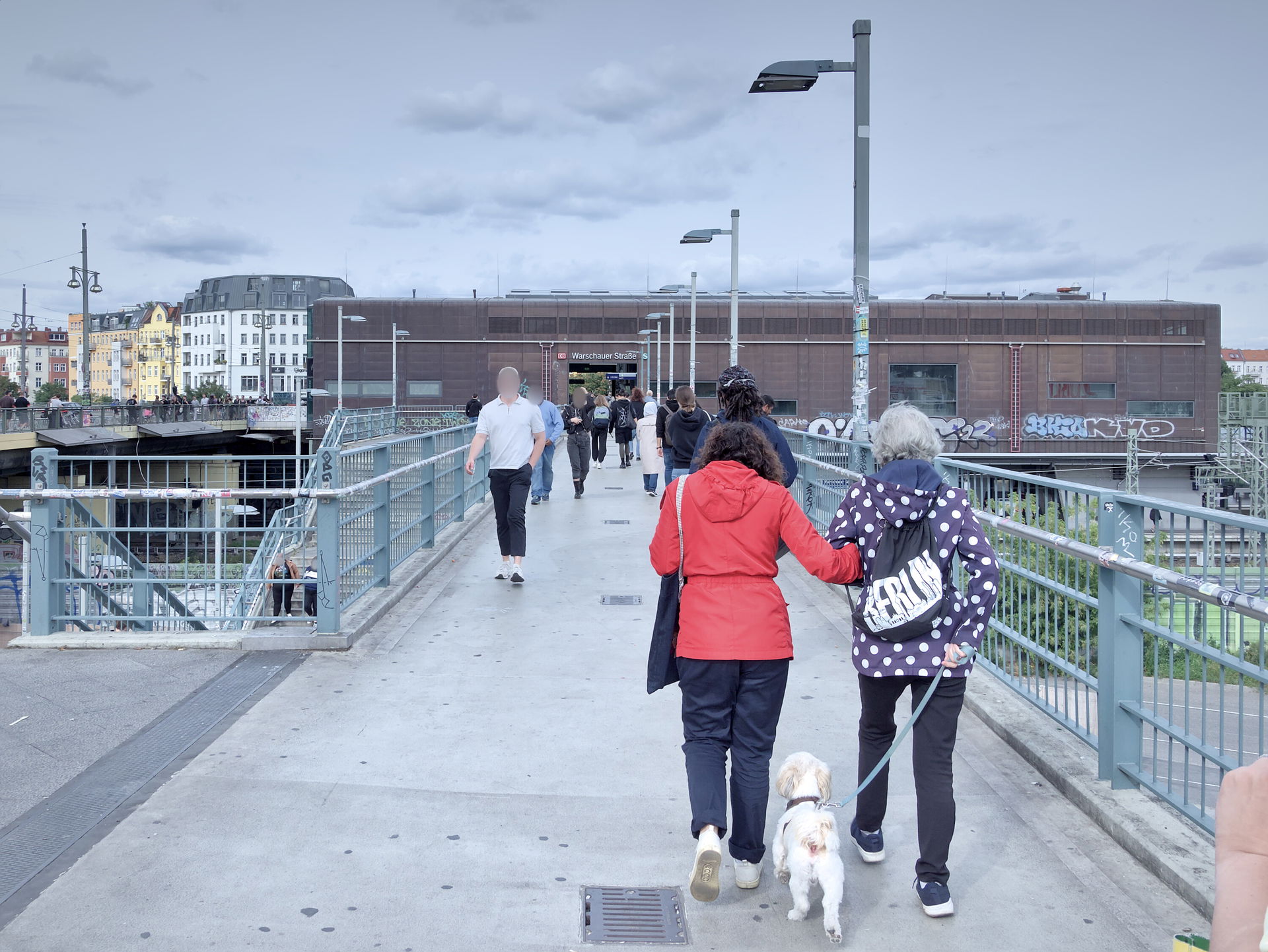
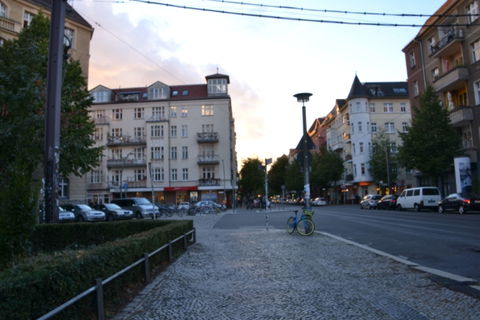
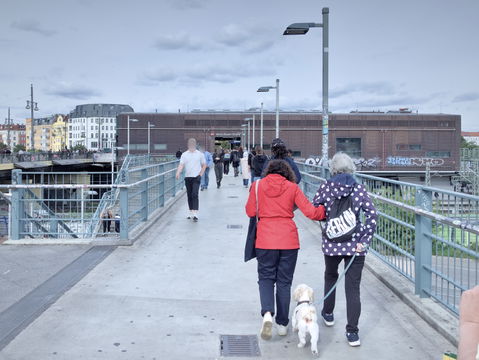
Friedrichshain-Kreuzberg, formed by the merger of former East Berlin's Friedrichshain and West Berlin's Kreuzberg, presents a dynamic and highly international urban environment. Known for its alternative vibe and eclectic architecture, the district is a melting pot of cultures, attracting people from over 120 countries and boasting a very high level of diversity. It is particularly popular with a younger demographic, with two-thirds of its population under 45. The district is renowned for its exceptionally vibrant nightlife, ranking first among Berlin's districts, and offers a pronounced creative scene alongside a mix of startups and established companies. While it is not a quiet area, its historic character is very high, with former industrial buildings now repurposed for creative industries and cultural venues.
The district offers extensive amenities and facilities to support its lively character. Residents benefit from a very high level of public transport connectivity, also ranking first in the city, with numerous metro, bus, tram, and train stops. Walkability is very high, and cycling is encouraged with a well-developed network of cycleways. Despite ranking moderately for green space, Friedrichshain-Kreuzberg features 167 parks and 157 forest areas, along with significant water proximity, including rivers and canals that offer recreational activities. The area is rich in cultural institutions, including museums, galleries, theatres, and cinemas, alongside a vast array of cafes, restaurants, bars, and nightclubs.
For those considering a move, Friedrichshain-Kreuzberg is notably family-friendly, offering a very high quality of schools and numerous kindergartens. The district's unique blend of cultural vibrancy, diverse community, and excellent connectivity makes it appealing to young professionals, students, and families seeking an active and culturally rich urban lifestyle. However, prospective residents should be aware of the competitive real estate market; apartment purchase prices are approximately 8200 EUR per square meter, and rental prices average around 21.0 EUR per square meter. Recent developments indicate a significant increase in rents, with community groups actively addressing concerns about housing affordability and the conversion of residential properties for tourist accommodation. A notable ongoing development is the Urbane Mitte Süd project near Gleisdreieck Park, which is set to create a new mixed-use urban center with commercial, social, and office spaces, though without new residential units.
This content was generated using artificial intelligence based on publicly available information. It is provided for general informational purposes only and does not constitute legal, tax, immigration, or professional advice. Information may be incomplete or outdated. Always verify with official sources before making decisions.