



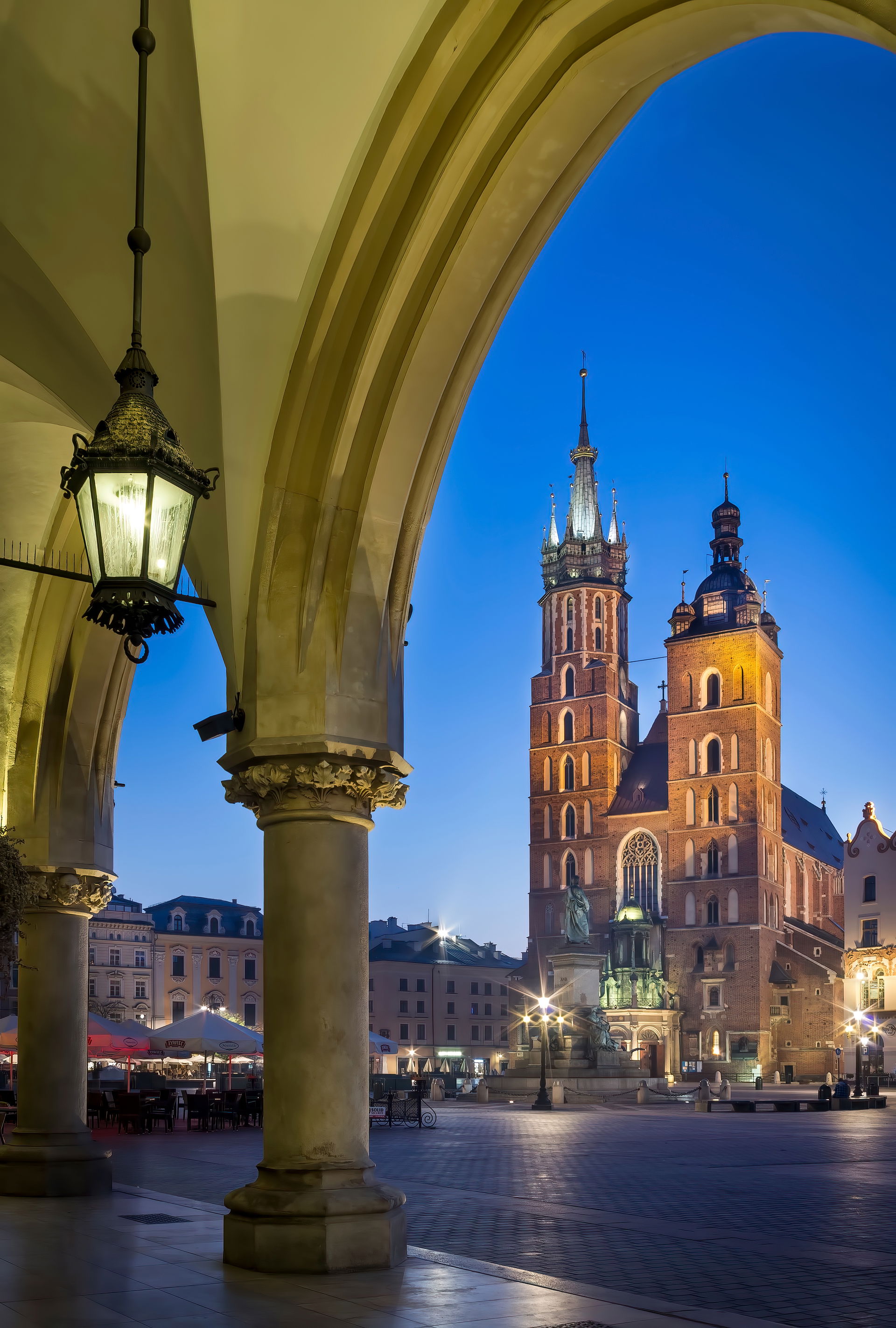
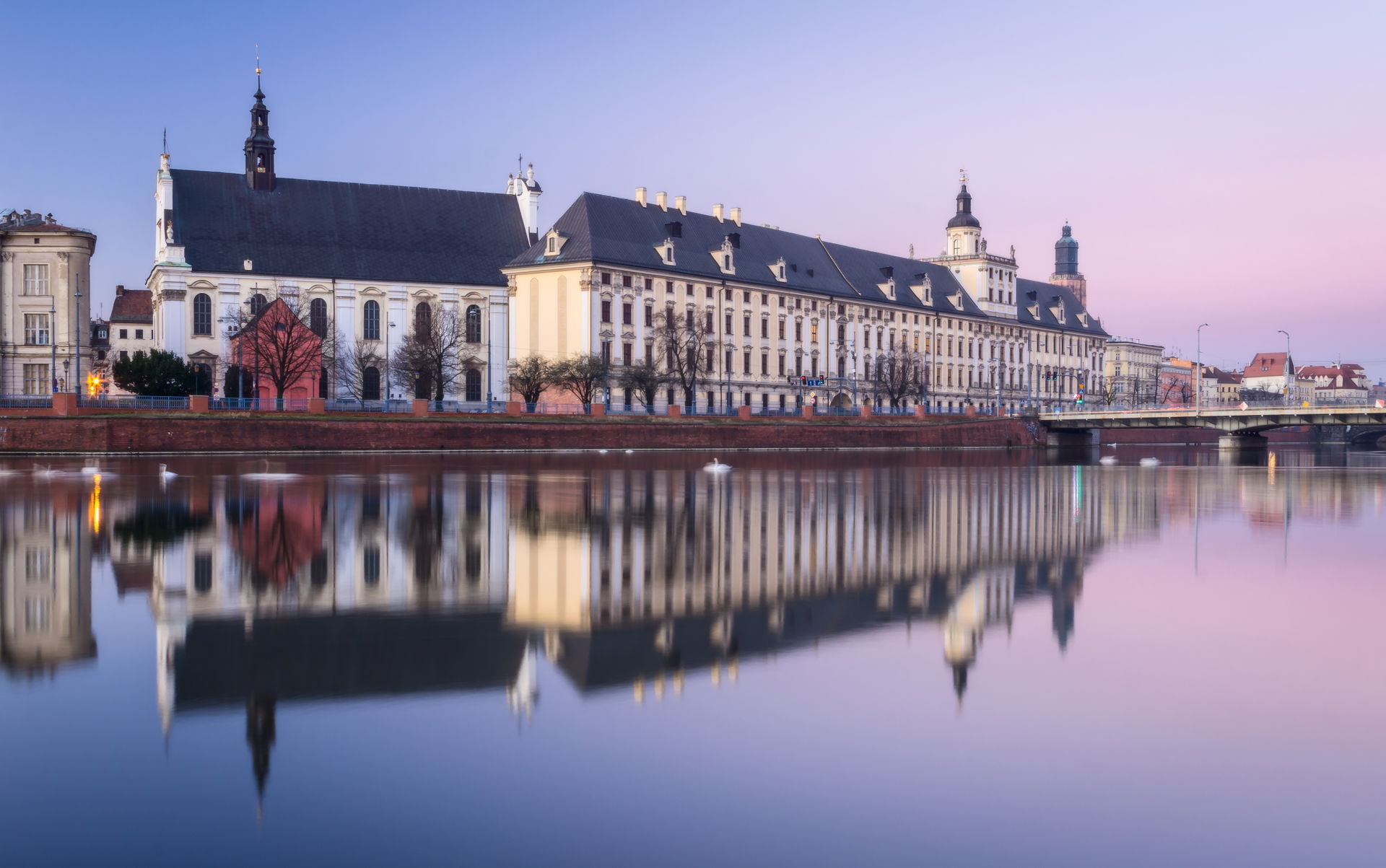

Très bon choix
Très bon choix
Indice de qualité de vie sur 100

Pologne
Baltic Sea, Białka, Divoká Orlice, Dunajec, Jizera, Lusatian Nysa, Noteć, Oder, Olza, Opava, Orava, Poprad, Vistula, Western Bug · Polish
Pologne
La Pologne offre un pouvoir d'achat occidental élevé pour la moitié du coût de la vie : une qualité de vie optimale et un rapport qualité-prix imbattable pour votre réinitialisation d'expatrié.
Ce que c'est que de vivre à Pologne
La Pologne est un pays d'Europe centrale avec une population d'environ 37,95 millions d'habitants. Il couvre une superficie d'environ 312 679 kilomètres carrés, ce qui en fait le 9ème plus grand pays d'Europe. Géographiquement, la Pologne se compose...
Votre feuille de route pour Pologne
Analyse de relocalisation personnelle de plus de 40 pages — parcours visa, stratégie fiscale, guide de quartier, installation médicale et plus encore.
- ✓Parcours visa et résidence
- ✓Optimisation fiscale
- ✓Guide de quartier
- ✓Santé et écoles
- ✓Détail des coûts
Santé
- La Pologne gère un double système de santé, combinant des services publics gérés par le Fonds national de santé (NFZ) avec un secteur privé solide et en croissance.
- L'accès aux soins de santé publics (NFZ) repose principalement sur les contributions, généralement par le biais d'un emploi, d'un travail indépendant ou d'une inscription volontaire pour les résidents.
- Les étrangers cherchant un visa ou un permis de séjour en Pologne doivent généralement justifier d'une assurance maladie valide, avec souvent une couverture minimale de 30 000 € pour les soins d'urgence et le rapatriement.
La Pologne, en tant que membre de l'espace Schengen, autorise l'entrée sans visa aux citoyens d'environ 60 nationalités (dont les États-Unis, le Royaume-Uni, le Canada, l'Australie, la Nouvelle-Zélande, le Japon et la plupart des pays d'Amérique latine) pour de courts séjours allant jusqu'à 90 jours sur une période de 180 jours. Cette limite s’applique à l’ensemble des 29 pays Schengen, et pas seulement à la Pologne. Les voyageurs doivent s'assurer que leur passeport a été délivré au cours des 10...
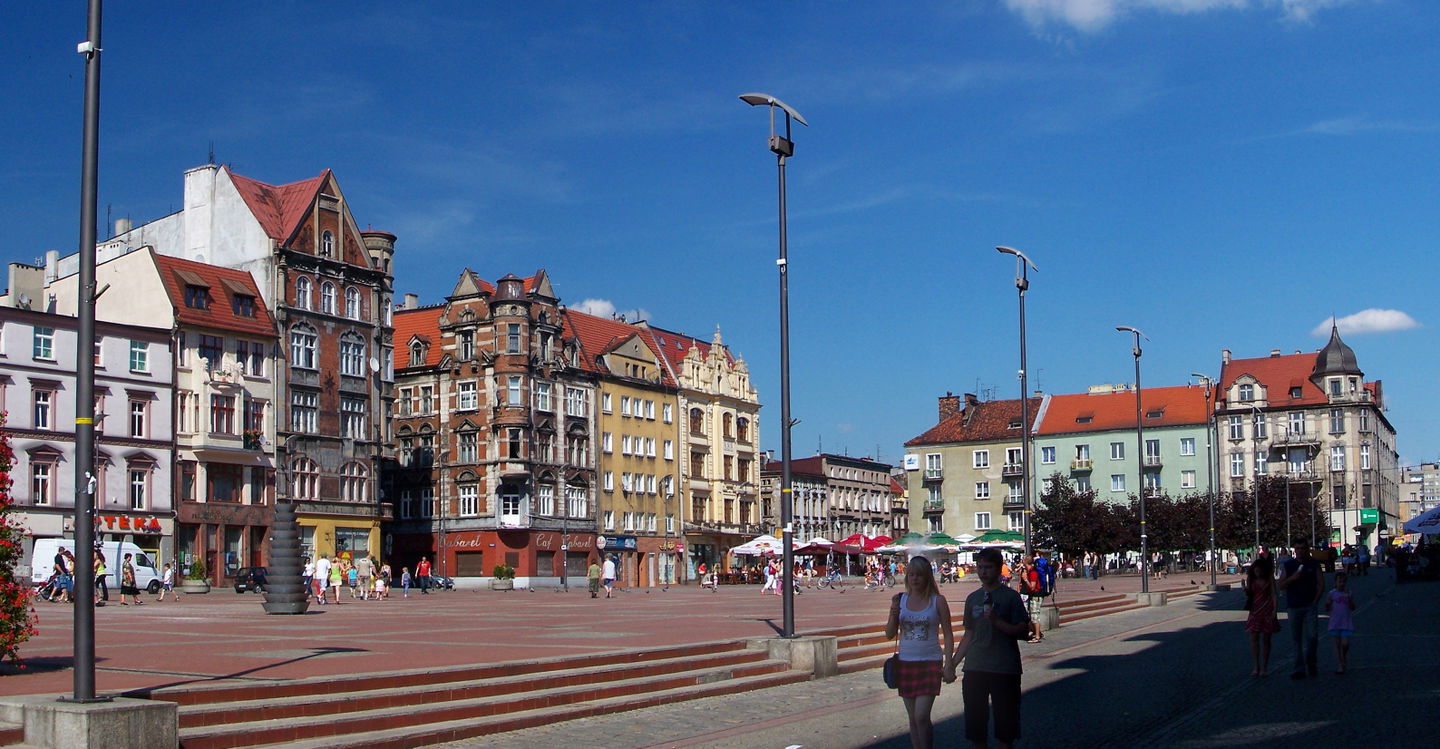
Découvrez les villes de Pologne
Voir toutes les villes de PologneCréez votre profil gratuit pour voir les scores de compatibilité personnalisés.



Avis de voyage, dangers et indicateurs de conflit
Ce que d'autres gouvernements recommandent actuellement pour les voyages dans ce pays
Coût de la vie, logement, revenus et pouvoir d'achat
Impôt sur le revenu, impôt sur les sociétés et système fiscal
Marché du travail, environnement des affaires et permis
Écoles internationales, universités et système éducatif
Pension, voies de retraite et planification financière
Températures saisonnières, précipitations et ensoleillement
Photos et paysages du pays
Population, langues et composition ethnique
Vie quotidienne d'expatrié et conseils pratiques
Transports en commun, aéroports et déplacements
Résidence, immobilier et cadre juridique
Qualité de l'air, espaces verts et durabilité
Gouvernement, élections et paysage politique
Localisation, indice du coût de la vie et pouvoir d'achat
Vue d'ensemble économique et géographique
Avis et expériences de la communauté expatriée
Communauté et discussion
Guides expatriés pour Pologne
Voir tous les articles
Legal & Administration
ETIAS pour l'Europe : ce que les voyageurs doivent savoir avant son lancement
Au 4 août 2026, aucune date de lancement n'est confirmée pour ETIAS, malgré des informations contradictoires circulant en ligne concernant un déploiement fin 2026 ou en 2027. Ce guide distingue les sources européennes vérifiées des sources obsolètes ou non officielles, explique les frais de 20 euros à venir et montre comment repérer les sites web frauduleux concernant ETIAS avant le lancement effectif du système.
· 10 min de lecture

Legal & Administration
La révolution numérique des frontières européennes : ce que tout expatrié doit savoir sur les nouvelles règles d’entrée et de sortie de l’espace Schengen
Alors que l'espace Schengen déploie son système d'entrée/sortie high-tech, les tampons manuels sur les passeports deviennent obsolètes et les voyageurs doivent s'adapter aux contrôles biométriques, au comptage précis des jours et aux nouvelles règles numériques. Découvrez les implications de ce changement radical pour les expatriés, les télétravailleurs et tous ceux qui envisagent des aventures européennes dans les années à venir.
· 6 min de lecture
Prêt à arrêter
de naviguer et à passer à l'action ?
Générez une feuille de route de relocalisation personnalisée — parcours visa, 3 villes présélectionnées, fiscalité et calendrier.
This content was generated using artificial intelligence based on publicly available information. It is provided for general informational purposes only and does not constitute legal, tax, immigration, or professional advice. Information may be incomplete or outdated. Always verify with official sources before making decisions.
Source des données : Les métriques de sécurité, criminalité et qualité proviennent de Numbeo, une base de données mondiale collaborative de données déclarées.
Tous les scores sont des comparaisons relatives sur une échelle de 0-100, où 50 = moyenne mondiale. Des scores plus élevés signifient mieux que la moyenne, des scores plus bas signifient pire que la moyenne.
Communauté, intégration culturelle et vie d'expatrié