Historical center with original three boroughs (San Cernín, San Nicolás, and Navarrería).
Expanded urban area adjacent to old town
A residential neighborhood developed during the 1960s-1970s urban expansion period as part of Pamplona's planned growth.
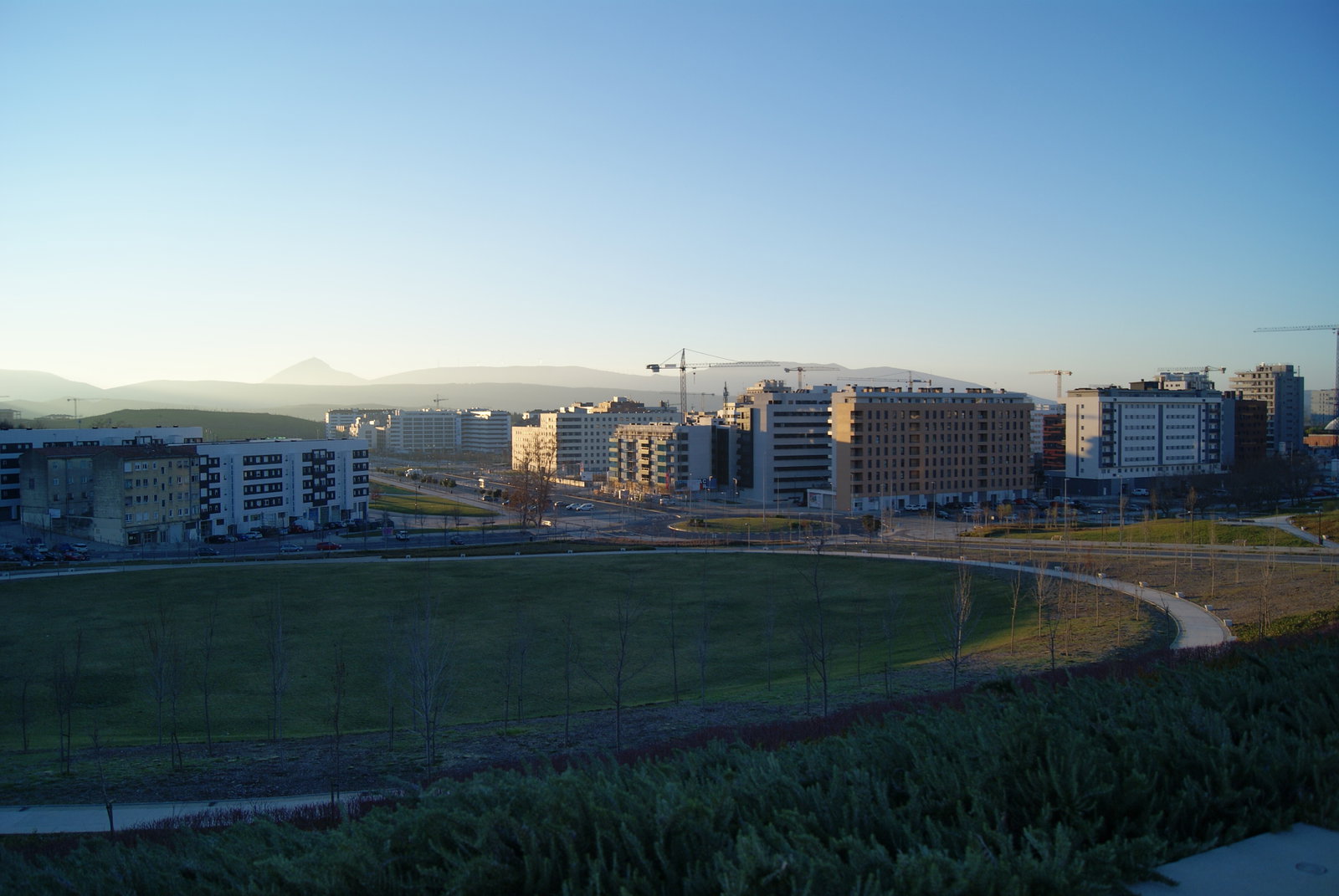
Modern district that emerged in recent years, featuring contemporary urban planning with residential and commercial spaces.
Industrial and residential district in the east, featuring mixed-use developments and proximity to business areas.
Neighborhood developed in the 1960s and 1970s as part of Pamplona's urban expansion, with residential and community focus.
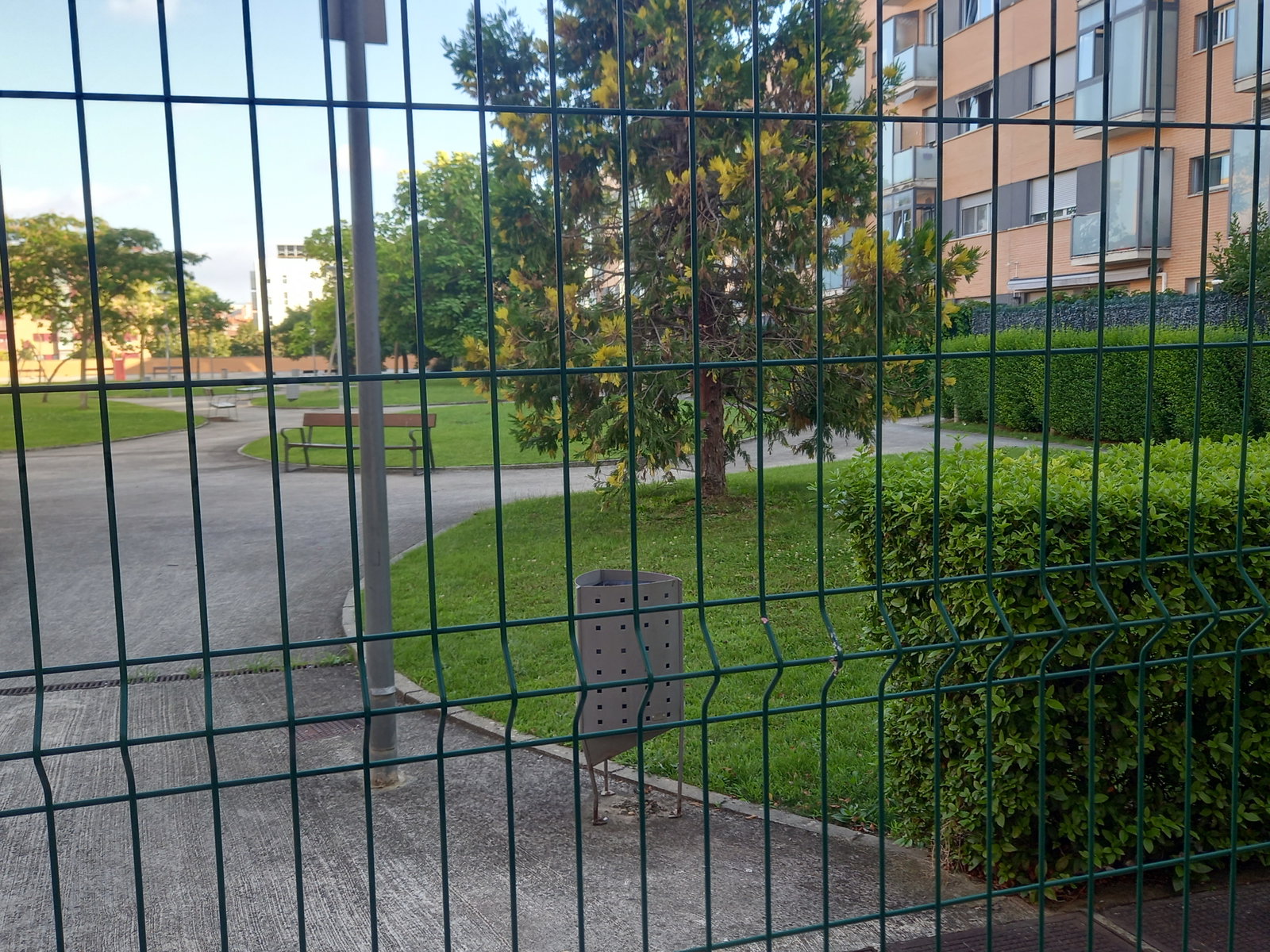
New district under development, offering spacious green areas and recreational parks in Pamplona's recent urban expansion.
Residential area with modern apartments and good connectivity, popular among young professionals.
Northern extension of Chantrea, a planned residential area from post-war growth with community amenities.
Modern residential neighborhood in northern Pamplona near the University, known for student housing and green areas.
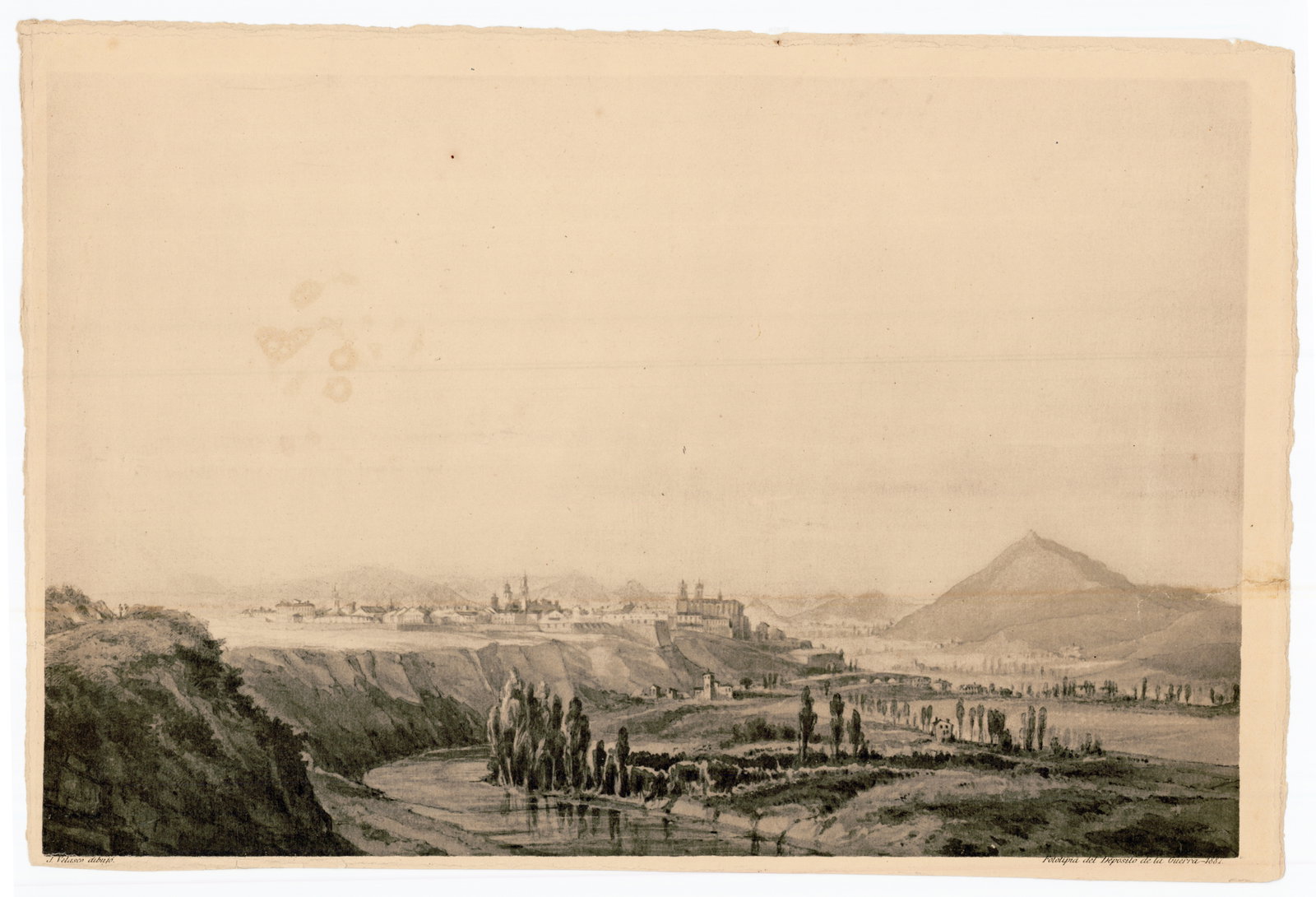
Historic city center with medieval layout
Post-Civil War neighborhood that grew disorderly alongside Rochapea and Chantrea, featuring residential areas with urban development.
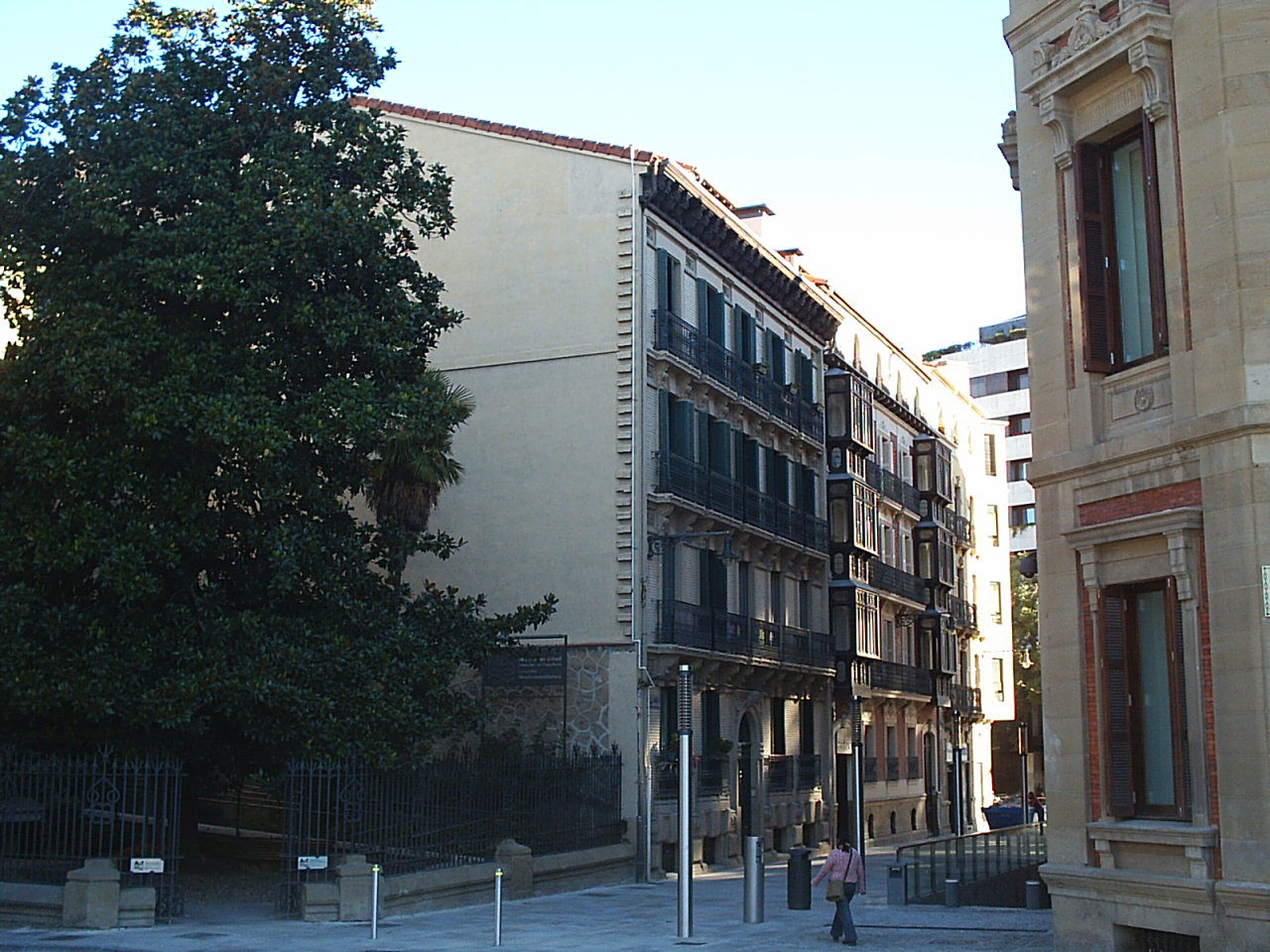
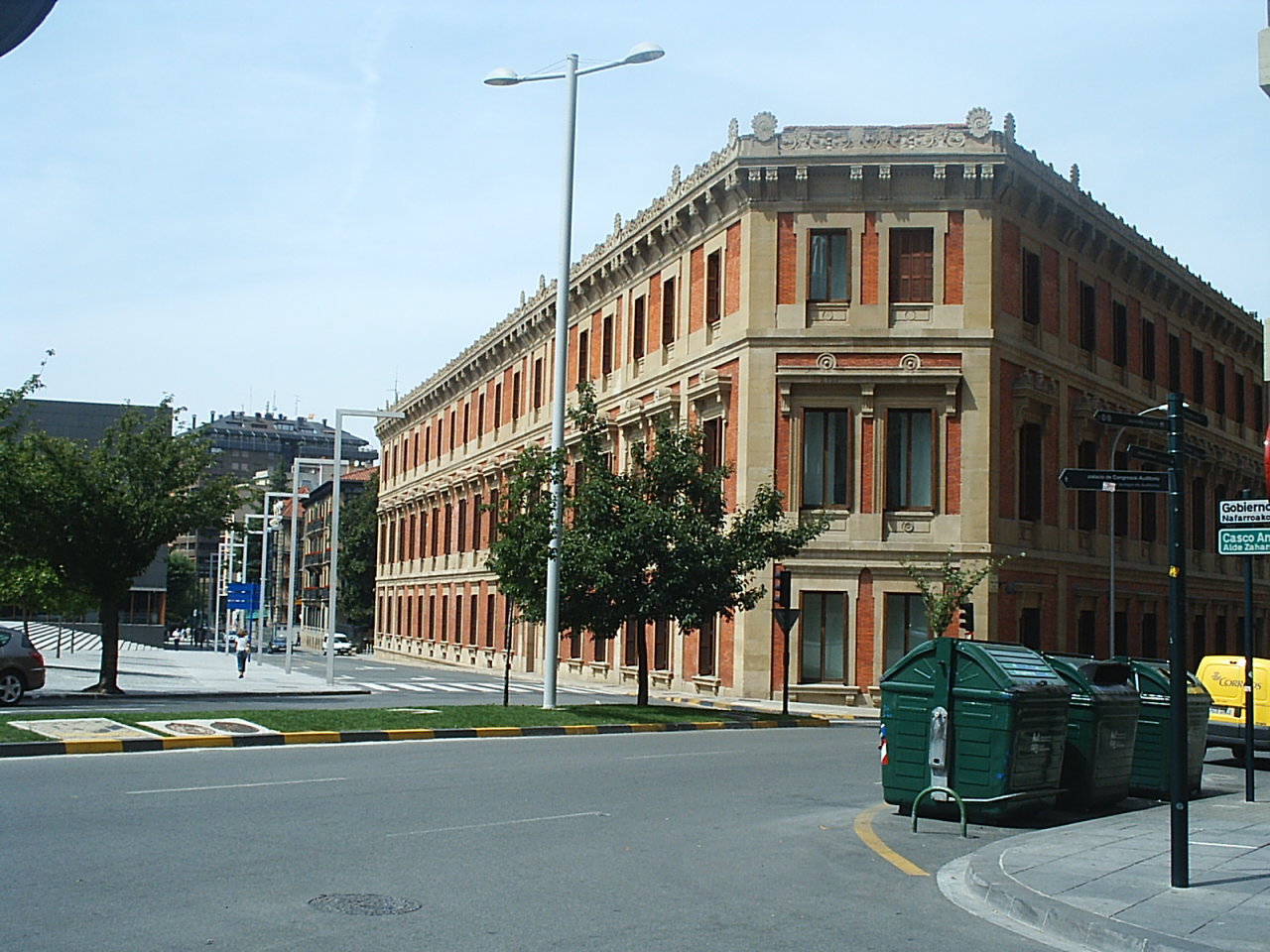
Part of the Ensanche district, featuring elegant 19th-century architecture, shops, and government buildings.
One of the neighborhoods created during the 1960s and 1970s urban growth in Pamplona, known for residential expansion.
Compact neighborhood with local amenities, known for its community feel and proximity to central areas.
Compact neighborhood with a community feel, developed as part of Pamplona's mid-20th century expansion.
Residential neighborhood in Pamplona's urban fabric, offering local living with access to city services.
Suburb with single-family houses and green spaces.
Emerging district still under construction, part of Pamplona's suburban growth with emphasis on green spaces.
Developing area with sports facilities and educational centers, including the University of Navarre campus.
Suburb with single-family houses and green spaces.
Suburb with single-family houses and green spaces.
Suburb with single-family houses and green spaces.
Suburb with single-family houses and green spaces.
No description available.
A neighborhood that emerged during the 1980s-1990s expansion period, representing the second wave of modern urban development in Pamplona.
The historic medieval center of Pamplona, comprising three original boroughs: La Navarrería, San Cernín, and San Nicolás. Home to the Cathedral, Royal Palace, and Plaza del Castillo, the heart of the city's social life.
The only planned neighborhood among the three post-Civil War growth zones. Developed with intentional urban planning and organized structure.
Modern district south of the Old Town, divided into First and Second Ensanche. Features wider streets, contemporary architecture, government buildings, elegant shops, and parks including Parque Yamaguchi and the Japanese Garden.
No description available.