
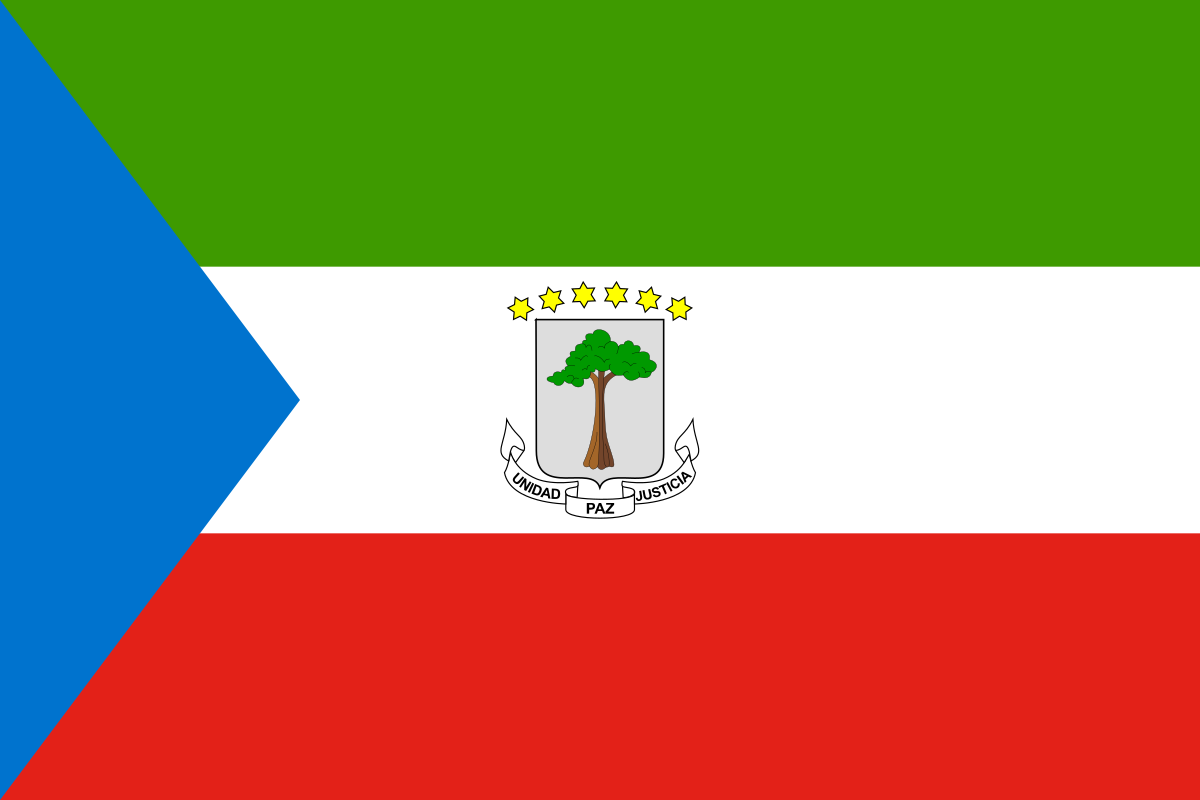
 Social Integration Guide · Equatorial Guinea
Social Integration Guide in Equatorial Guinea
Expat communities, cultural integration, and social life
Social integration in Equatorial Guinea is challenging due to its small population, political isolation, and limited online presence of expat and local communities. Expats primarily gather in oil-rich Malabo and Bata, facing language barriers (Spanish, French, Portuguese) and cultural conservatism. Limited verifiable sources exist for community activities, with conservative estimates reflecting regional West African patterns and scarce forum discussions.
Cultural Integration Score
Limited online sources available — score is a conservative estimate based on regional knowledge. Integration is difficult due to language barriers (Spanish/French/Portuguese), authoritarian governance fostering insularity, and low foreigner acceptance outside oil sectors. Expats report isolation and bureaucracy challenges. No recent Reddit r/expats or r/IWantOut threads found.
Expat Community
Limited sources — score conservative estimate. Small expat presence (oil workers) in Malabo/Bata. No active InterNations/Meetup groups found; private Facebook groups exist but low visibility.
- Malabo
- Bata
Social Activities
Limited sources — conservative estimate. Expats rely on company-organized events, private bars in Malabo, beach trips. No public Meetup.com groups; isolation common outside corporate circles.
- Expat bar meetups
- Oil company events
- Beach gatherings
- Sports clubs
Religious Facilities
Catholic churches welcoming to expats; English services rare. Protestant/mission groups small but supportive for foreigners.
- Roman Catholic
- Protestant
Volunteer Opportunities
Limited sources — conservative estimate. Rare due to visa/government restrictions. Some church-based or NGO health projects accept skilled expats short-term.
- Healthcare
- Education
Dating & Relationships
Limited sources — conservative estimate. Expats report challenges; apps like Tinder minimally used. Local dating conservative; company expat circles primary social/romantic source.
Cultural Note: Respect family structures. Church involvement helps. Avoid public displays.
Professional Networking
Limited sources — estimate. Oil sector dominates; networking via multinationals. Few formal events; personal introductions key.
- Oil & Gas Association
- Expat business lunches
- LinkedIn oil groups
More Insights for your Move to Equatorial Guinea
Comprehensive guides and data-driven analysis.
Budget & Expenses
Is your lifestyle affordable? From grocery prices to utility bills, see how costs compare to your home.
Read guideEnvironment & Health
Is it healthy to live here? Check air quality, green spaces, and sustainability policies.
Read guidePolitics & Governance
Understand the political system, stability indicators, and democratic institutions that shape daily life.
Read guide