This content was generated using artificial intelligence based on publicly available information. It is provided for general informational purposes only and does not constitute legal, tax, immigration, or professional advice. Information may be incomplete or outdated. Always verify with official sources before making decisions.
Data Source: Safety, crime, and quality metrics are sourced from Numbeo, a crowd-sourced global database of reported data.
All scores are relative comparisons on a 0-100 scale, where 50 = global average. Higher scores mean better than average, lower scores mean worse than average.
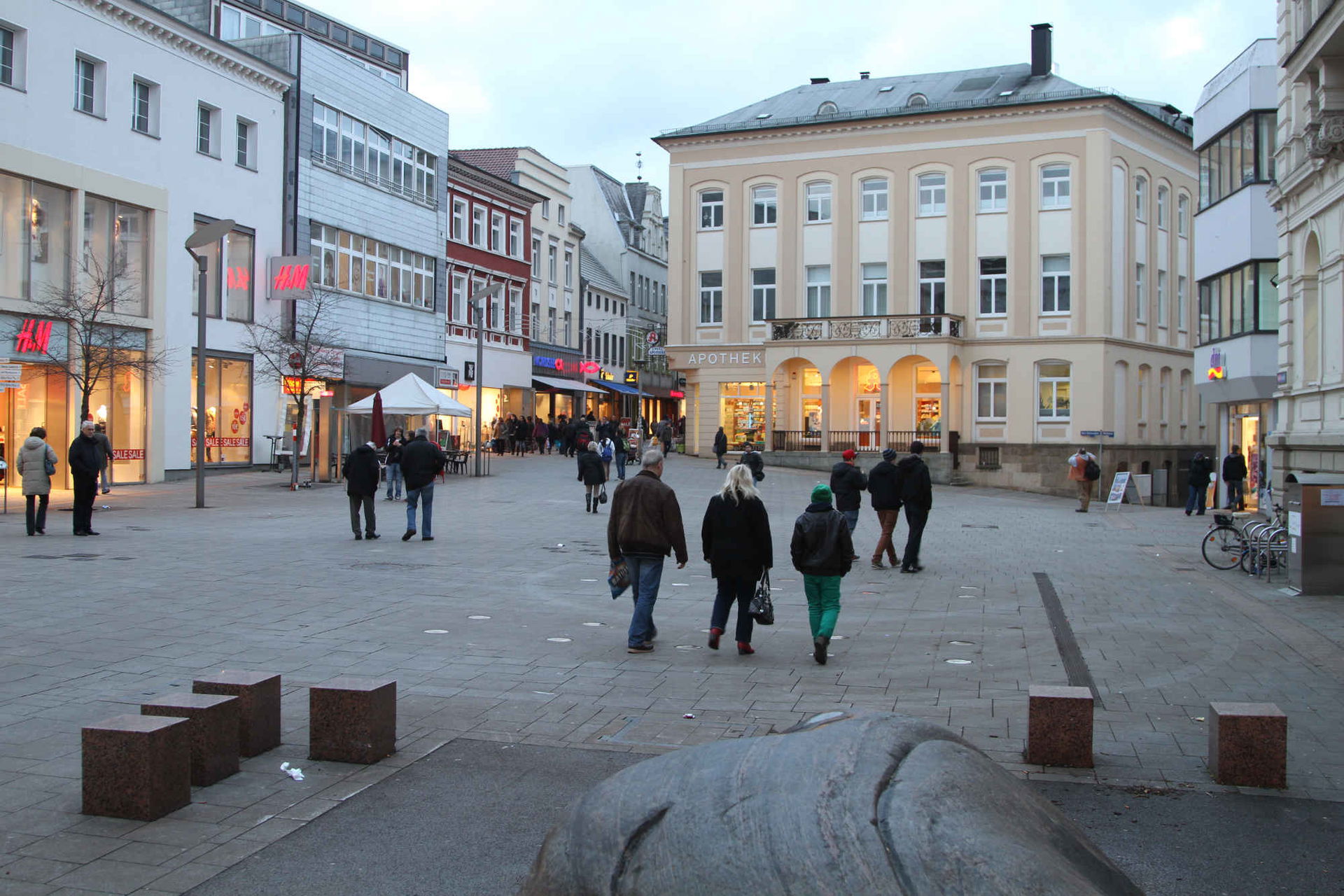
Iserlohn offers a grounded, mid-sized lifestyle that appeals to those seeking stability over the frantic pace of a major German metropolis. With a significant expat presence of over 15%, you’ll find a community that is surprisingly international for its size, making the initial integration process smoother than in more isolated towns. It is an ideal base for professionals who value reliable public transport and consistent healthcare access without the overwhelming density of a city like Berlin or Munich.
However, the trade-off is a quieter, more predictable rhythm of life. While the safety and quality of life are dependable, you may find the local amenities and social scene more subdued, requiring a bit more intentionality to find high-energy international networking or diverse nightlife.
Population
97,910
Area
16 km²
Density
6,066 per km²
Founded
-
Language
German
Distance to Coast
345 km
Districts & Neighborhoods in Iserlohn
Loading districts…
Climate & Weather in Iserlohn
Iserlohn has an Oceanic climate (Köppen Cfb), with mild summers, cool winters, and precipitation spread through the year. Long-term data place the city around 9.6°C annually with about 1165 mm of precipitation, which fits the wetter end of Germany’s climate range; the current broken-cloud conditions and 15.35°C reading are consistent with a temperate maritime setting.
Summer Average
21°C
Winter Average
3°C
Climate Type
Oceanic
Rainy Days
170
Sunny Days
150
Humidity
78%
Spring
March - May
6-15°C
Spring is cool to mild, with frequent cloud cover, occasional rain, and steadily warming afternoons. Conditions often shift quickly between dry and wet spells.
Moderate rainfall
Summer
June - August
18-22°C
Summer is generally mild rather than hot, with comfortable daytime temperatures and periodic rainfall. June averages around 21°C, and humid, partly cloudy days are common.
Moderate rainfall
Autumn
September - November
7-15°C
Autumn turns progressively cooler and wetter, with more overcast days and frequent showers. Early autumn can still feel mild before temperatures drop sharply later in the season.
High rainfall
Winter
December - February
0-5°C
Winter is cold but usually not severe, with frequent damp conditions, cloudiness, and occasional frost. Snow can occur, but rain and drizzle are often more common than prolonged snow cover.
Moderate rainfall
Loading Weather...
Air Quality
Iserlohn
Advantages
Iserlohn
Abundant parks and green spaces
Rich cultural heritage sites
Strong educational institutions
Affordable cost of living
Central Ruhr Valley location
Disadvantages
Iserlohn
No coworking spaces available
Limited higher education options
Declining industrial job market
Aging population demographics
Limited nightlife and entertainment
Safety & Security in Iserlohn
Overall Safety Score
Includes resilience and environmental factors
Moderate
57
/100
Germany Avg
55
Europe Avg
59
Worldwide Avg
58
Crime & Safety Metrics
Thermometer compares Iserlohn to Germany averages using different marker styles.Compare:
Iserlohn
Germany Average
No city-specific data available — showing Germany country averages instead.