
For people planning an international move, climate has become more than a question of average sunshine, annual rainfall, or whether a place feels pleasant in January.
It is increasingly a question of resilience: How reliable will water be? How exposed is a region to heat, wildfire, flooding, insurance costs, food-price shocks, coastal hazards, and volatile weather? And how might the answer change over the next 10, 20, or 30 years—the period in which a family raises children, an entrepreneur builds a business, or a retiree expects to settle into a new home?
One of the most closely watched signals in the global climate system is a surprisingly cold patch of ocean south of Greenland and near Iceland. It is commonly called the North Atlantic cold spot, the warming hole, or simply the cold blob. While most of the world's oceans are warming, this area has warmed much less than its surroundings and has, at times, cooled.
The cold spot does not mean the planet is cooling. It may instead be a clue that a much larger system is changing: the Atlantic Meridional Overturning Circulation, usually shortened to AMOC.
That system helps move heat through the Atlantic. If it weakens substantially, it could reshape climate risks across Europe, North America, the Caribbean, West Africa, and beyond. For relocation planning, that does not mean panicking or ruling out whole countries. It means looking beyond today's weather statistics and asking which places are likely to remain liveable, affordable, and well prepared under a more unstable climate.
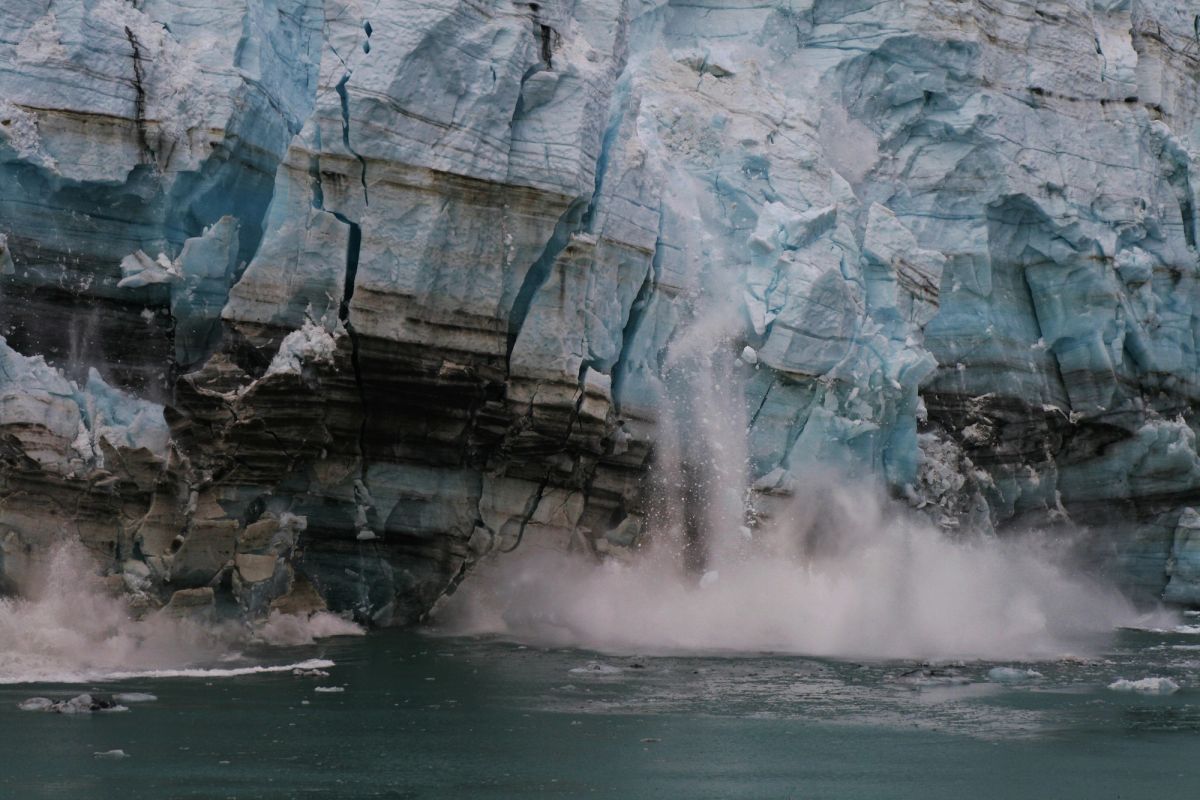
The cold patch beneath Greenland
A map of global temperature change generally shows a familiar picture: most land and ocean areas are warming. Against that backdrop, the waters south of Greenland stand out.
This North Atlantic zone is cooler than scientists would expect in a uniformly warming world. It does not necessarily stay cold every year; ocean temperatures naturally vary from season to season and decade to decade. But its long-term pattern is unusual enough to have become an important focus of climate research.
The most likely explanation involves ocean circulation.
The Atlantic does not function as a static body of water. It is an enormous, moving system of currents. Warm, salty water flows northward near the surface. In the far North Atlantic, it cools, becomes denser, and sinks. Colder, deeper water then travels south again. This overturning motion is part of the AMOC.
The Gulf Stream is often mentioned in this context, but the terms should not be treated as interchangeable. The Gulf Stream is a powerful surface current, driven largely by winds and the shape of the Atlantic basin. The AMOC is the broader, three-dimensional overturning system that redistributes heat and salt through the ocean.
This distinction matters because headlines about a "Gulf Stream collapse" are usually imprecise. The Gulf Stream would not simply disappear overnight. The real concern is that the AMOC could weaken, reducing the amount of heat carried northward through the Atlantic.
That is where Greenland enters the story.
As Greenland's ice sheet melts, it releases freshwater into the North Atlantic. Warmer temperatures and changing rainfall patterns can also add freshwater to the surface ocean. Freshwater is less salty and less dense than seawater. If the surface waters are less dense, they are less likely to sink efficiently in the northern Atlantic.
Less sinking can weaken the circulation. A weaker circulation can transport less warm water toward the Greenland–Iceland region. The result may be a relatively cool, fresh patch of ocean sitting within a rapidly warming world.
The cold spot is not proof that the AMOC has reached a tipping point or that a collapse is imminent. But it is consistent with the kind of changes scientists expect as the climate warms and Greenland continues to lose ice.
A real risk—but not a Hollywood scenario
It is tempting to turn this subject into a simple story: the Gulf Stream stops, Europe freezes, and a new ice age begins.
That is not a credible way to describe the current scientific understanding.
The evidence strongly supports the expectation that the AMOC will weaken during this century as greenhouse-gas emissions warm the planet. The Intergovernmental Panel on Climate Change considers such a decline very likely under all emissions scenarios. At the same time, an abrupt, complete AMOC collapse before 2100 remains uncertain rather than established.
Scientists disagree about the size, speed, and timing of the risk. That uncertainty is genuine. It reflects the complexity of the ocean, the limited length of direct observations, uncertainty about future emissions, and the difficulty of modelling Greenland meltwater and deep-ocean processes.
There are two important conclusions to hold at the same time:
- A weakening AMOC is a well-founded concern, not speculative climate fiction.
- A near-term, sudden shutdown is not a forecast that should guide everyday decisions as though it were certain.
For relocation decisions, this distinction is useful. You do not need to assume an extreme collapse scenario to take the issue seriously. Even a gradual weakening can affect rainfall, storms, coastal flood risks, temperatures, agriculture, energy demand, and the reliability of public infrastructure.
The relevant question is not, "Will Europe become frozen?"
It is, "How will climate stability, essential services, and regional living conditions change if the North Atlantic system becomes less predictable?"
Europe: not uniformly colder, but potentially less stable
Europe has historically benefited from the Atlantic's ability to transport and redistribute heat. This does not mean that the AMOC is the only reason Europe has a mild climate; winds, geography, atmospheric circulation, and latitude matter too. But North Atlantic heat transport remains a major part of the regional climate system.
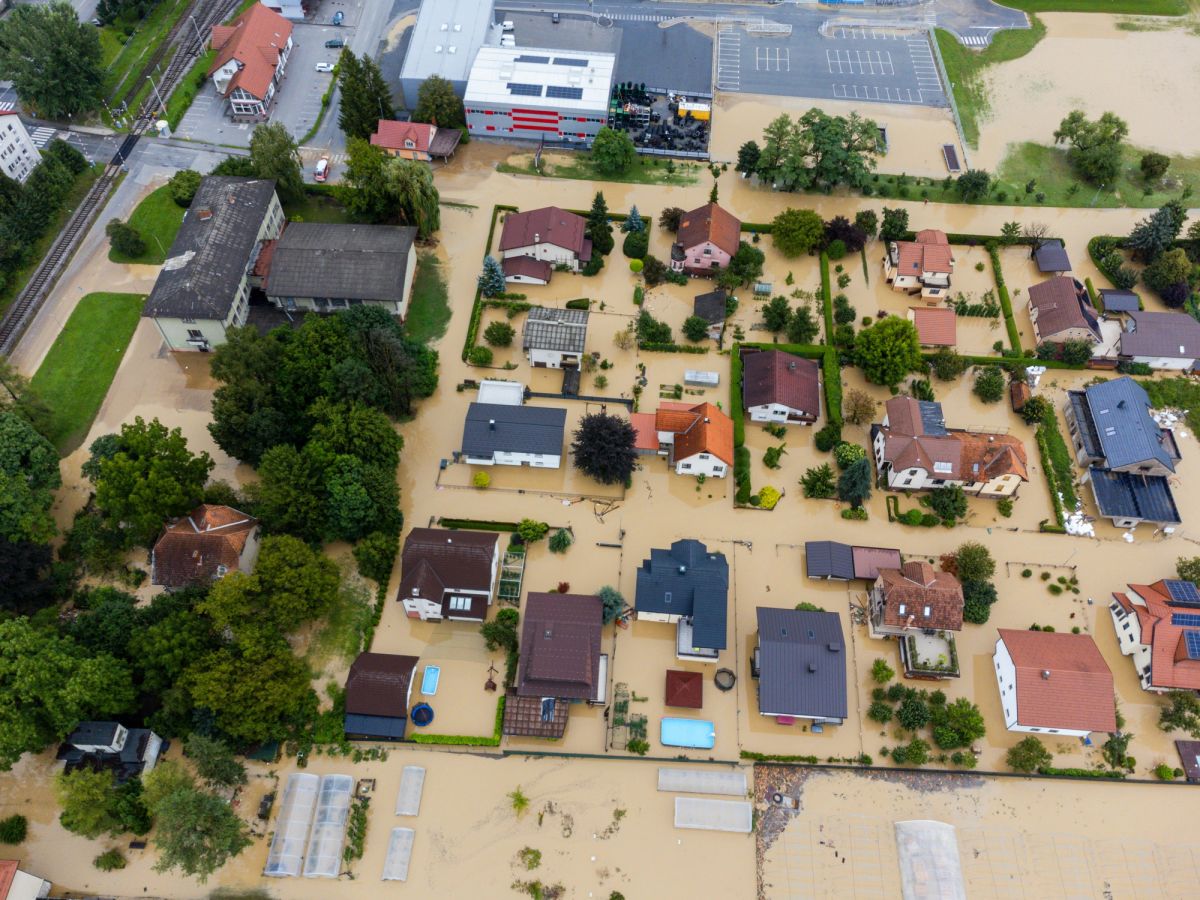
GettyImages for Unsplash+
If the AMOC weakens, parts of northwestern Europe could warm less rapidly than the global average. In some places, winters could become relatively colder than they otherwise would have been. This is very different from saying that Europe as a whole becomes cold.
Global warming continues to add heat to the climate system. A weaker AMOC would operate on top of that warming. In practical terms, a future northern European city could still be warmer on average than it was in the twentieth century, while also facing different winter cold spells, altered rainfall, stronger weather variability, and changing storm patterns.
For relocation, northern Europe may become a study in contrast.
Countries such as Ireland, the United Kingdom, the Netherlands, Belgium, Denmark, Norway, Sweden, and parts of northern Germany may retain several underlying strengths:
- strong institutions and public services;
- comparatively high capacity for flood protection and climate adaptation;
- reliable healthcare, infrastructure, education, and social systems;
- lower exposure to the most extreme summer heat seen in southern Europe;
- generally good water availability compared with drought-prone Mediterranean regions.
But these advantages come with a different set of risks. Low-lying coastal regions face sea-level rise and storm-surge exposure. Older housing can be poorly suited to summer heat or flood events. Energy costs may remain sensitive to cold winters and heating demand. Insurance, drainage capacity, transport disruptions, and coastal protection may become more important factors in household budgets and location choices.
For a family, the question may be whether a community has resilient schools, healthcare access, flood planning, shaded public spaces, and housing that can cope with both warmer summers and more variable winters.
For a retiree, reliable heating, accessible healthcare, public transport, proximity to services, and low exposure to coastal or river flooding may matter more than a country's national climate reputation.
For an entrepreneur, climate resilience increasingly overlaps with business continuity: workforce health during heatwaves, supply-chain reliability, data-centre energy costs, insurance, transport links, and the stability of local property markets.
Southern Europe: heat, water, and seasonal uncertainty
Southern Europe is unlikely to become colder in the everyday sense that matters to residents. Portugal, Spain, southern France, Italy, Greece, Malta, Cyprus, and much of the Mediterranean are expected to remain among Europe's warmer regions.
But the North Atlantic cold spot matters here too because the Atlantic shapes weather patterns far beyond Greenland. Changes in ocean temperatures can influence atmospheric circulation, storm tracks, rainfall distribution, and seasonal variability.
For Mediterranean relocation destinations, the central issue is likely to be water and heat, not Arctic cold.
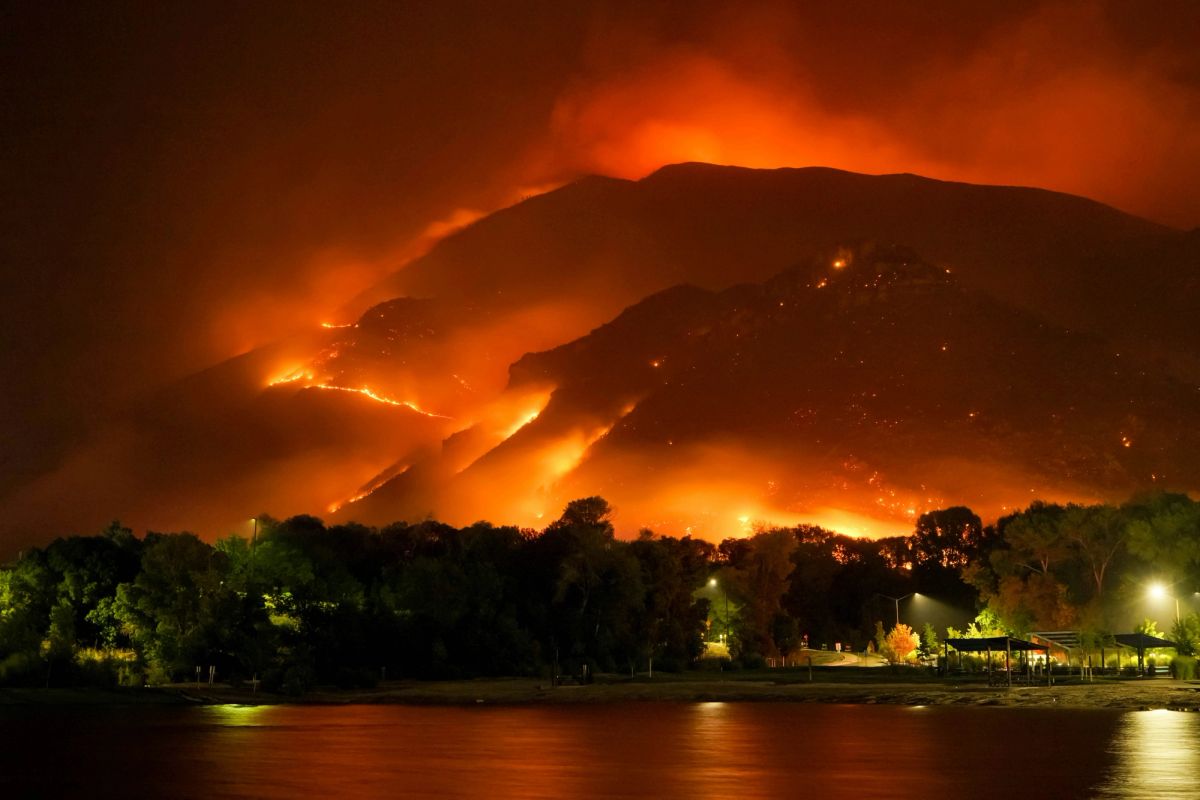
Foto von Mike Newbry auf Unsplash
A place can have an attractive annual average temperature while becoming more difficult to live in during the hottest months. A beautiful coastal town may still face water restrictions, wildfire smoke, rising summer electricity bills, strain on local healthcare, and property-insurance pressure. A rural inland property may offer affordable space but come with greater exposure to heat, drought, forest fire, limited medical access, and dependence on private water systems.
Portugal illustrates the trade-off clearly.
Its Atlantic coast can moderate summer temperatures compared with inland Iberia. Regions around Porto, the Silver Coast, Lisbon, and the Algarve can offer an appealing lifestyle: ocean access, long outdoor seasons, international communities, comparatively mild winters, and strong quality-of-life advantages.
At the same time, heatwaves, drought, wildfire risk, water scarcity, and housing pressure are not abstract future considerations. They already influence daily life and local policy in parts of the country. An altered North Atlantic circulation could add another layer of uncertainty by affecting winter rainfall patterns and the timing of weather systems that replenish reservoirs and soils.
For someone relocating to Portugal or Spain, the most climate-aware approach is not to reject the region. It is to be more geographically specific.
A location near the coast may differ sharply from one 30 kilometres inland. A north-facing, well-insulated apartment in a town with stable municipal water may be more resilient than a larger villa in a fire-prone, water-stressed rural area. Access to shaded streets, public services, emergency healthcare, drainage systems, and year-round transport can matter as much as the postcard view.
North America: a coastline, sea-level, and storm story
On the eastern coast of North America, AMOC weakening has a particularly important implication: regional sea-level rise can exceed the global average.
Sea level does not rise identically everywhere. Local land movement, ocean currents, wind patterns, water temperature, and gravitational effects all influence what residents actually experience. A weaker AMOC can change ocean circulation and sea-surface height along parts of the U.S. and Canadian Atlantic coastline.
For people considering cities such as Miami, Charleston, Norfolk, Washington, D.C., New York, Boston, Halifax, or other coastal locations, this matters because climate risk is not only about long-term average sea level. It is also about the frequency of disruptive high-water events.
A relatively small shift in baseline sea level can turn occasional nuisance flooding into frequent flooding. It can make storm surge more damaging, strain drainage infrastructure, reduce property insurability, and affect mortgage availability and resale values.
This does not make every East Coast city unsuitable. Many metropolitan areas have strong job markets, excellent universities, healthcare systems, cultural life, and large international communities. But location selection needs to become more granular.
A prospective buyer or renter should consider:
- exact elevation and flood-zone history, not merely the city name;
- exposure to storm surge, tidal flooding, river flooding, and heavy-rain drainage failure;
- local building codes and the age of the property;
- insurance availability, exclusions, deductibles, and recent premium changes;
- access routes during extreme weather;
- whether critical infrastructure—electricity, water, healthcare, and transport—has proven resilient during recent events.
For remote workers and digital entrepreneurs, this also affects network redundancy, backup power, home-office location, and the ability to operate during severe weather. Climate resilience is increasingly a practical business criterion rather than an environmental preference.
The Caribbean, West Africa, and global knock-on effects
The AMOC is not only a North Atlantic or European issue. It is part of a global climate system.
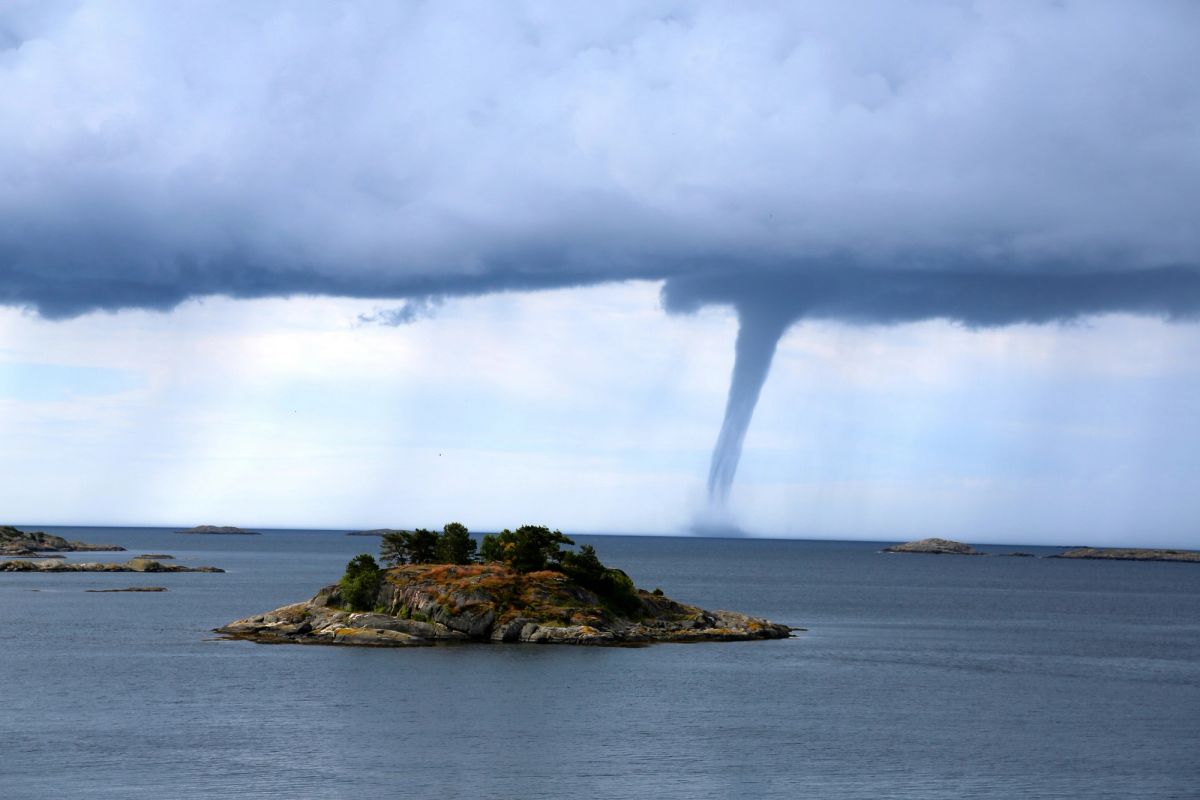
Foto von Espen Bierud auf Unsplash
One major concern is the tropical rain belt, sometimes called the Intertropical Convergence Zone. This zone influences rainfall across many tropical regions. If Atlantic heat distribution changes significantly, the rain belt can shift, potentially altering monsoon patterns and seasonal rainfall in parts of West Africa, the Caribbean, Central America, and northern South America.
For relocation planning, the implications are often indirect but significant:
- Water reliability can change even in places that are not usually considered dry.
- Food prices can become more volatile when regional harvests are disrupted.
- Heat, humidity, vector-borne disease risks, and extreme-rainfall exposure may change together.
- Areas already managing political or economic instability may face additional pressure when agriculture and water systems become less reliable.
- Migration patterns may shift as climate stress affects livelihoods and urban housing demand.
For a person relocating for lifestyle reasons, a destination's climate cannot be separated from its broader systems. A town may appear comfortable today but become less attractive if food, electricity, water, health services, insurance, or housing availability come under recurring stress.
This is especially important for retirees, families with young children, and anyone who depends on predictable access to public services.
Climate risk is local, not national
It is easy to rank countries as "safe" or "unsafe" based on broad climate maps. That approach often misses the most important information.
A country can have good national capacity for climate adaptation while containing highly exposed coastal, floodplain, wildfire, or heat-island locations. Conversely, a country with serious climate challenges may still contain individual cities and neighbourhoods with comparatively strong infrastructure, reliable water access, moderate temperatures, and good public services.
A practical relocation assessment should work at several levels.
1. Country-level resilience
Start with the big picture:
- Political stability and institutional capacity.
- Quality and accessibility of healthcare.
- Water governance and infrastructure investment.
- Electricity-grid reliability and energy affordability.
- Disaster response, public communication, and civil protection.
- Housing regulation, insurance markets, and building standards.
- Capacity to fund adaptation measures such as flood barriers, cooling centres, forest management, and water storage.
High-income countries do not automatically eliminate climate risk, but they often have more resources to reduce its human impact.
2. Regional climate exposure
Then examine the relevant region:
- Heatwave frequency and nighttime summer temperatures.
- Drought history and future water-stress projections.
- Wildfire exposure and access conditions.
- River, coastal, and flash-flood risks.
- Hurricane, cyclone, or severe-storm exposure where relevant.
- Expected sea-level rise and the condition of local coastal defences.
- Changes in seasonal rainfall rather than annual rainfall alone.
A place with 700 millimetres of annual rainfall may still be vulnerable if most precipitation falls in short winter downpours and summers become hotter and drier.
3. Neighbourhood and property resilience
Finally, assess the actual place where you would live:
- Is the home on a floodplain, near a river, behind a fragile dune system, or in a wildfire interface zone?
- Does it have insulation, shading, ventilation, cooling, and storm protection?
- Is it connected to reliable municipal water, sewerage, electricity, fibre internet, and public transport?
- Are hospitals, pharmacies, supermarkets, schools, and emergency services reachable during an extreme-weather event?
- Does the building have a history of damp, overheating, power outages, or water damage?
- Can you obtain appropriate insurance at a cost that remains realistic over time?
This property-level analysis is usually more valuable than broad assumptions about whether a country is "warm," "safe," or "green."
Different priorities, different decisions
The North Atlantic cold spot does not produce a single relocation ranking. It changes the questions different people should ask.
Families with children
Families should prioritize everyday stability over idealized weather.
A climate-resilient location for a family tends to have dependable water, accessible paediatric and emergency care, safe transport, schools with heat-management plans, green space, and housing that remains comfortable during both hot and wet extremes.
Look especially closely at flood routes, summer classroom temperatures, local air quality during wildfire periods, and whether the community's infrastructure can cope with population growth.
Retirees
For retirees, resilience often means avoiding a combination of isolation and high exposure.
A scenic inland home may be appealing, but it can become difficult if heatwaves, wildfire warnings, power interruptions, limited public transport, or long emergency-response times are involved. Coastal locations require equally careful scrutiny of flood risk, humidity, storm exposure, and insurance.
A smaller, well-connected city or town with a good hospital, moderate microclimate, reliable utilities, and walkable daily life may be a more secure long-term choice than a remote dream property.
Entrepreneurs and remote workers
For founders, consultants, and remote workers, climate risk overlaps with operational risk.
Reliable power, cooling, water, internet redundancy, transport access, employee safety, and property insurance all affect business continuity. A lower-cost destination can become expensive if extreme heat reduces productivity, regular storms interrupt connectivity, or rising insurance costs make a commercial lease difficult to sustain.
Climate-aware business location strategy should include backup connectivity, cloud-based workflows, local energy reliability, flexible work arrangements, and the ability to operate from alternative locations when necessary.
Lifestyle-driven movers
For lifestyle movers, the goal is not to abandon warm places or coastal regions. It is to distinguish between a place that is attractive for a two-week holiday and a place that remains comfortable during an unusually hot August, a drought year, a stormy winter, or a multi-day power outage.
The best question is not, "How many sunny days does this location have?"
A better question is, "How does this place function when conditions are difficult?"
What this means for future relocation choices
The North Atlantic cold spot is a reminder that climate change does not create a single, uniform warmer world. It changes systems. It can make some regions warmer, some ocean areas relatively cooler, rainfall less predictable, coastlines more exposed, and familiar seasonal patterns less reliable.
For people deciding where to build a life, this changes the meaning of due diligence.
Taxes, visa pathways, healthcare, schools, language, cost of living, and business opportunities remain essential. But climate resilience now belongs alongside them. The most attractive relocation destination is not necessarily the place with the warmest winters, lowest taxes, or cheapest property today. It may be the place that combines liveability with infrastructure, social capacity, water security, sensible planning, and the ability to adapt.
The future is not predetermined. The severity of AMOC weakening and the wider climate risks connected to it depend partly on global emissions, ice loss, adaptation investment, and local policy choices. But uncertainty is not a reason to ignore the issue.
It is a reason to choose with more care.
A good relocation decision should account for the climate you can see today—and for the climate system that will shape daily life long after the moving boxes are unpacked.


